Culture news and discussion on TalkFuse.
Nandy says media still fails to protect women reporting abuse
Developed over time first seen 1 day ago
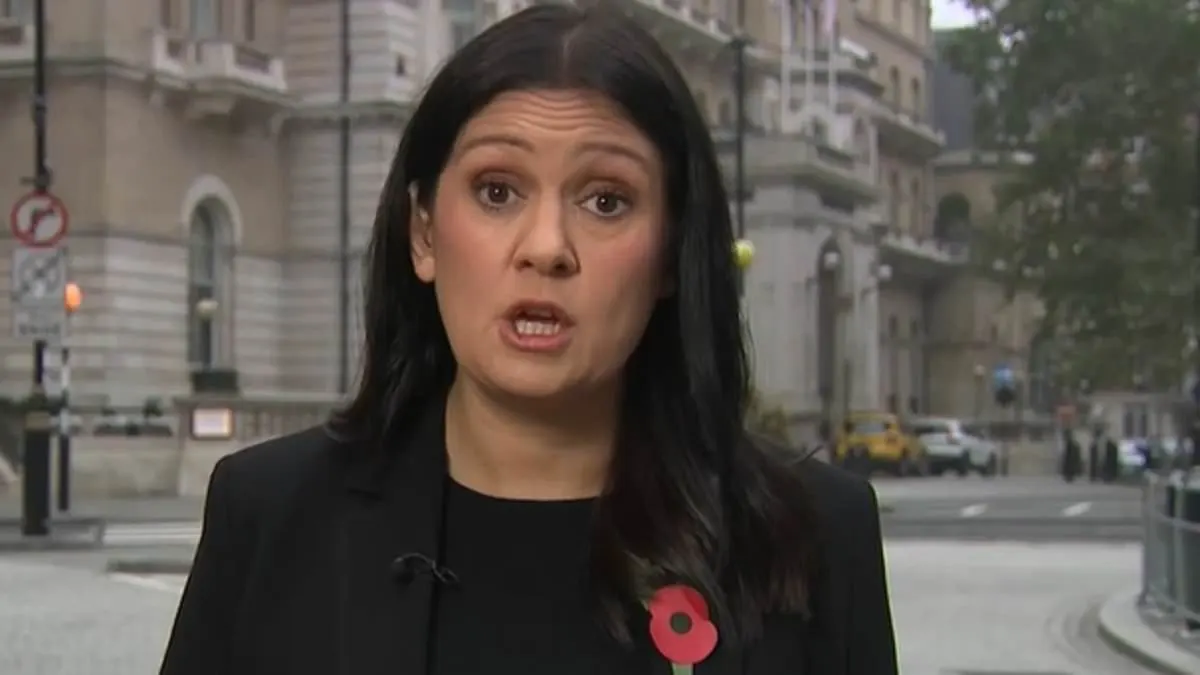
Culture Secretary Lisa Nandy said the media industry still fails to protect women who report abuse, despite a series of high-profile cases. Her criticism followed Russell Brand’s conviction and renewed debate about how entertainment organisations and public figures handle abuse allegations.
Nandy said major power imbalances, short-term contracts and reliance on professional connections can make speaking out costly for women in media and politics. A jury at Southwark Crown Court found Brand guilty of raping one woman and sexually assaulting three others, while clearing him of two further rape charges and one attempted indecent assault allegation. Police investigations into two other rape allegations against him are continuing.
- Sources
- 2
- Outlets
- 2
- Left · Centre · Right
- 1 · 0 · 1
In short
- Nandy says media workplaces still fail women who report abuse.
- Brand was convicted of rape and three sexual assaults.
- Police are investigating two further rape allegations.
How this story developed
- 15 hours ago Culture Secretary Lisa Nandy has renewed criticism of the media industry, saying it still fails to protect women who report abuse and has not learned lessons from recent cases.
- 21 hours ago Culture Secretary Lisa Nandy says sexual abuse remains a problem in the media because the industry has failed to protect women who report it.
- 21 hours ago Culture Secretary Lisa Nandy said the media industry still fails to protect women who report abuse, despite a series of high-profile cases. Her criticism followed Russell Brand’s conviction and renewed debate about how entertainment organisations and public figures handle abuse allegations.
Full account
Culture Secretary Lisa Nandy has said that women who report abuse in the media and other parts of public life remain inadequately protected. Speaking after Russell Brand was convicted of rape and sexual assault, she said institutions had not changed enough and that the consequences of speaking out could be severe for women working in sectors where reputation and personal connections can shape careers.
Nandy highlighted the power imbalance faced by people in media and politics, including workers on short-term or flexible contracts. She said she could not assure the public that exploitation was no longer happening and argued that organisations needed to put stronger safeguards for whistleblowers into practice. She described the time for the industry to act as overdue.
Brand was found guilty at Southwark Crown Court of raping one woman and sexually assaulting three others. He was acquitted of two other rape charges and an allegation of attempted indecent assault. The verdict has renewed scrutiny of how entertainment organisations respond to allegations against prominent figures. Police investigations into two further rape allegations were also reported as ongoing.
Nandy acknowledged steps taken by the BBC, including joining the Creative Industries Independent Standards Authority, but said more could be done and that other organisations had yet to adopt similar measures. She also said the government was considering further ways to protect whistleblowers. The reports frame her remarks somewhat differently: one foregrounds the broader industry’s failure after a series of high-profile cases and political support for Brand, while the other gives more detail about the BBC’s actions and the proposed whistleblowing safeguards.
Where outlets differ
From the full account, which is AI-written from the sources:
The first report stresses Nandy’s criticism of the media industry in the context of repeated high-profile cases and notes political figures’ past support for Brand. The second focuses more on institutional responses, specifically the BBC’s membership of an independent standards body and the government’s consideration of further whistleblower protections.
The first report includes more detail about the charges Brand was cleared of and refers to an allegation involving a relationship with a 16-year-old when he was 30. The second report does not include those details.
Left-leaning outlets 1
Only here: alleging, often, protected, lisa
Right-leaning outlets 1
Only here: still, fails, protect, reporting
Every side used: women, media, abuse, nandy
Headline columns compared word for word; nothing in them is AI-written.
Steelman: both sides, in good faith
The strongest fair case each way — we don't pick a winner.
The case for
Nandy’s argument is that abuse can persist when people with influence control access to work and career opportunities, while those reporting misconduct risk losing income or professional standing. Insecure contracts and closed networks may deter reports or leave women exposed, so the industry has a responsibility to provide safe reporting routes and protect people from retaliation.
The case against
A fair-minded critic could argue that failures in particular cases do not establish that the media industry as a whole still fails to protect women, and that reforms should be grounded in evidence about current practices. They may also stress the importance of distinguishing proven conduct from unresolved allegations, while ensuring safeguards protect complainants and preserve fair procedures for those accused.
Explained simply
The media includes broadcasters, publishers and entertainment companies, where people often rely on employers and professional networks for work. When someone reports abuse, concerns about losing work or damaging their career can affect whether they feel able to speak openly.
Russell Brand is a comedian and broadcaster who was convicted of raping one woman and sexually assaulting three others; he was cleared of three other charges. The case has drawn attention to how media organisations handle reports of abuse and the responsibilities they have towards people who come forward.
Coverage · 2 sources
Bias meters
From 2 rated sources.
Read the full article at the source →
Originally published by Daily Mail as “Russell Brand-style sex attacks still rife in the media, says Culture Secretary Nandy as she tells industry to do more to tackle celeb rapists”.