World news and discussion on TalkFuse.
Antalya climate summit faces pressure to accelerate emissions cuts and aid
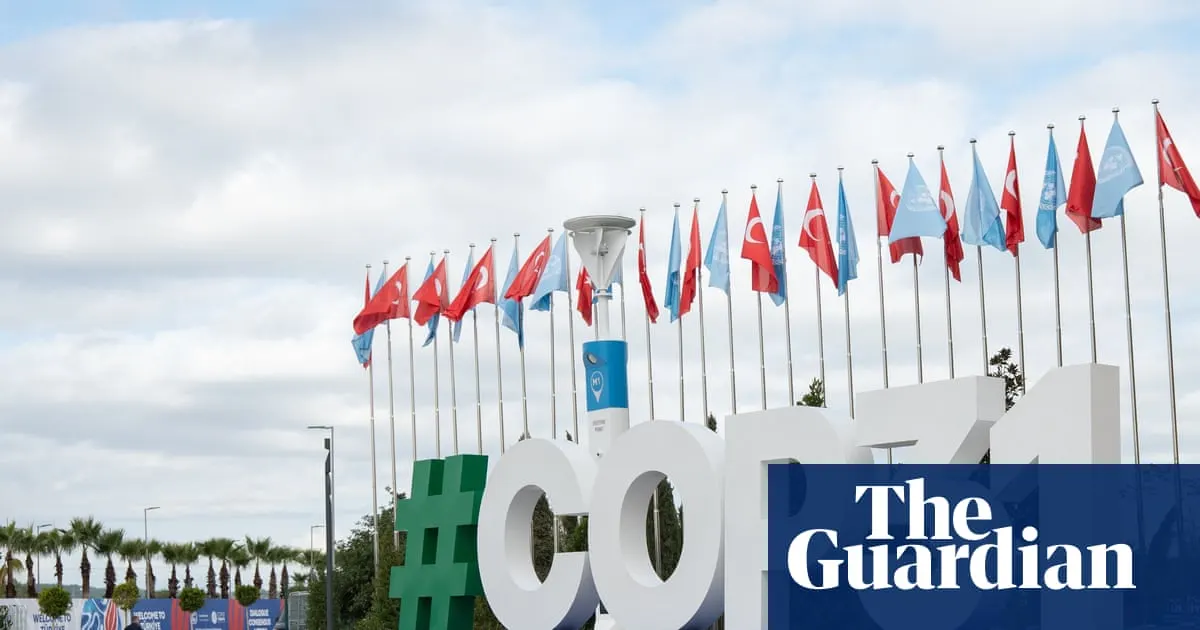
More than 190 countries are expected at the UN climate summit in Antalya, Turkey, from 9 to 20 November, with the US absent after Donald Trump withdrew from the Paris Agreement. Australia will preside over formal negotiations while Turkey leads a voluntary action agenda, as countries face pressure to speed up emissions cuts and address the impacts of global heating.
The summit comes after the Paris target of limiting warming to 1.5C has been breached, though the UN says rapid emissions cuts could limit the overshoot. Delegates may consider Brazil’s roadmaps on moving away from fossil fuels and halting deforestation, climate finance for developing countries, climate science and support for workers in carbon-intensive industries. The article also highlights poor countries’ need for help with adaptation and recovery from climate-related disasters.
In short
- More than 190 countries are expected in Antalya, but the US will be absent.
- Talks may advance plans on fossil fuels, forests and climate finance.
- Developing countries need more support to adapt to worsening climate impacts.
Steelman: both sides, in good faith
The strongest fair case each way — we don't pick a winner.
The case for
Countries should use the summit to strengthen emissions cuts and support for adaptation, disaster recovery and workers affected by the transition. The 1.5C limit has been breached, and rapid cuts could still limit further overshoot; coordinated action and climate finance may reduce future harm, particularly for poorer countries with fewer resources to respond.
The case against
Governments may reasonably resist faster or more prescriptive commitments if they believe these could impose steep costs on households, workers and industries or constrain national development choices. They may argue that climate finance and transition plans need credible funding and practical detail, and that policies should reflect countries’ differing circumstances rather than set a uniform pace.
Explained simply
The UN climate summit brings countries together to discuss how to limit global warming and deal with its effects. The Paris Agreement is a global pact under which countries set plans to cut the greenhouse gas emissions that drive warming; its central goal is to keep the rise in temperatures well below 2°C and pursue efforts to limit it to 1.5°C.
Countries have different roles at the meeting: Australia will chair formal negotiations, while Turkey will lead a separate programme of voluntary action. Brazil has proposed plans on reducing reliance on fossil fuels and stopping deforestation, while poorer countries are seeking support to adapt to climate impacts and recover from disasters.
The discussions matter because cutting emissions can affect energy supplies, jobs and public spending, while climate impacts can damage homes, infrastructure and livelihoods. Countries are also divided over how much financial help wealthier nations should provide to those with fewer resources.
Americas Climate Geopolitics Government Politics Science World
Read the full article at the source →
Originally published by The Guardian as “Cop31: what is at stake at the UN climate summit and what can it achieve?”.