Entertainment news and discussion on TalkFuse.
Frances Faye and the Lavender Scare: Songs of queer resistance in the 1950s
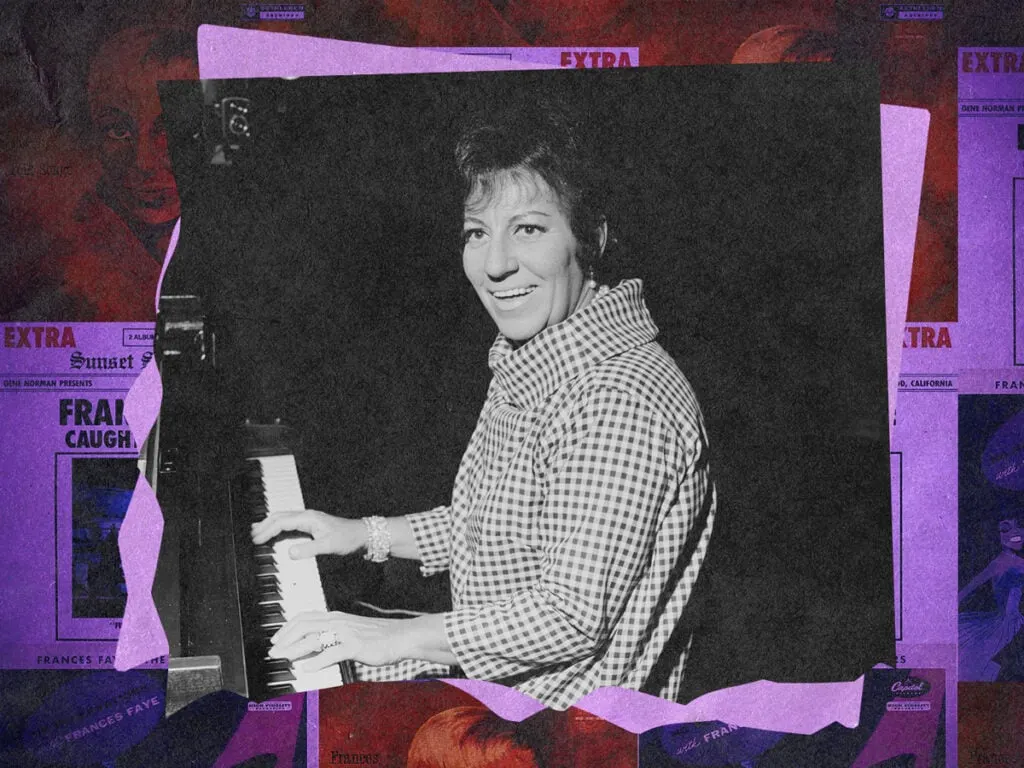
Frances Faye, a bisexual cabaret singer and comedian, used improvisation and playful changes to song lyrics to hint at her sexuality. Her performances offered queer audiences a rare sense of recognition and safety during an era of intense discrimination.
Faye began singing in New York nightclubs at 15 and became a prominent performer on Manhattan’s Swing Street in the 1930s. In the 1950s, as the Lavender Scare led to queer people being dismissed from federal jobs and targeted by authorities, nightlife offered places to find community and support. Faye met Teri Shepherd around that time; they remained together for 31 years, until Faye died in 1991, aged 71.
In short
- Frances Faye used song lyrics to signal her bisexuality.
- Her shows offered queer audiences recognition during the Lavender Scare.
- She and Teri Shepherd were together for 31 years.
Explained simply
The Lavender Scare was a period in the 1950s when the US government dismissed people from federal jobs because they were believed to be gay or lesbian. Queer people also faced wider discrimination and scrutiny from authorities, making it difficult to live openly.
Frances Faye was a bisexual singer and comedian who began performing in New York nightclubs as a teenager and became well known on Manhattan’s Swing Street. She sometimes improvised or altered song lyrics to hint at her sexuality, giving queer audiences a rare chance to recognise themselves in a public performance.
Nightclubs could offer queer people places to meet and find support at a time when openness carried risks. Faye met Teri Shepherd in the 1950s; they stayed together for 31 years, until Faye’s death in 1991.
Entertainment Europe Music World