Entertainment news and discussion on TalkFuse.
Repeated playback is more efficient when media is downloaded first
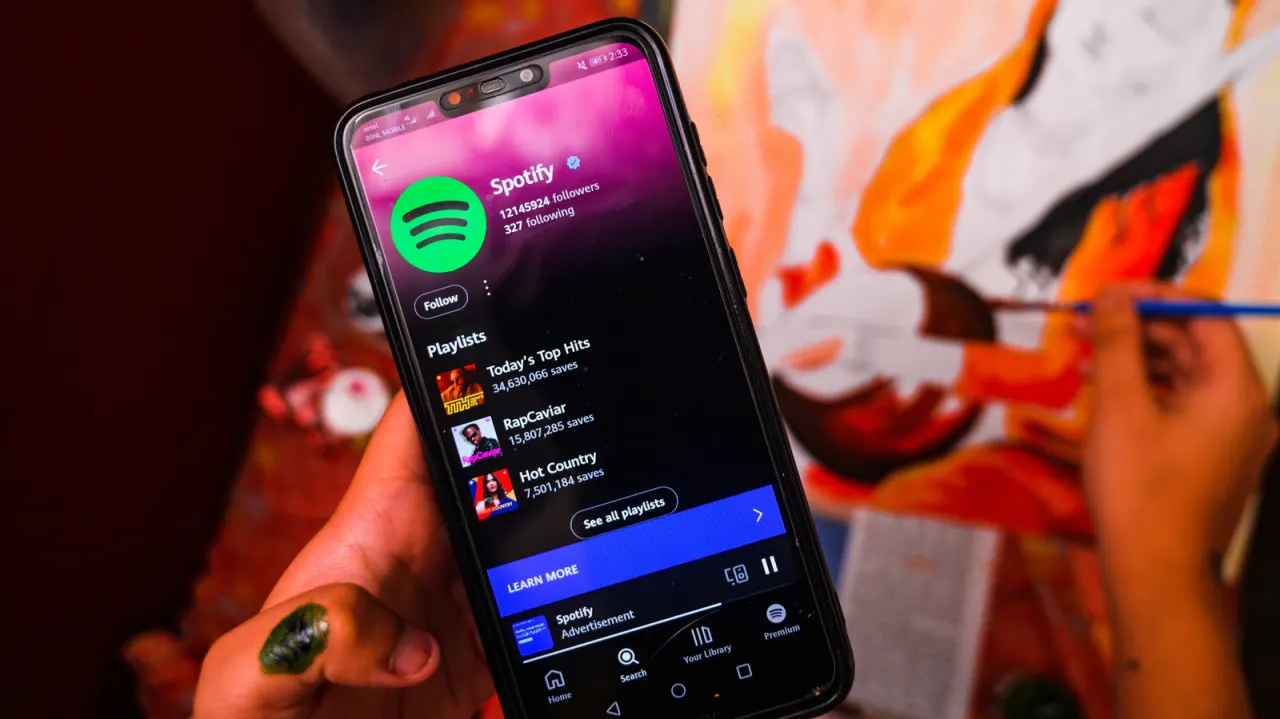
Downloading media is generally more efficient than repeatedly streaming it, because the initial data and battery cost is spread across later plays. This matters most for music, videos and podcasts people revisit, though streaming can use less when something is played only once and stopped early.
Downloads take up storage, and apps may cache some content even when users do not deliberately save it. The article recommends downloading over Wi-Fi and managing quality: Spotify says lossless audio can use up to 1 GB per hour, compared with 0.14 GB at its “Very high” 320 kbps setting; lower video resolutions also use less space and data, but can reduce sharpness.
In short
- Repeated plays are usually more efficient from downloads.
- Download over Wi-Fi to avoid cellular data use.
- Lower quality saves space but can affect clarity.
Steelman: both sides, in good faith
The strongest fair case each way — we don't pick a winner.
The case for
Downloading media people replay can reduce repeated data transfer and battery use, while letting them listen or watch offline. For frequent use, the upfront download cost may be outweighed by those later savings; Wi-Fi downloads and sensible quality settings can help manage mobile data and storage.
The case against
Streaming can be more efficient for one-off listening or viewing, especially if someone stops early, since downloading the full item may use data that playback would never have required. Downloads also occupy device storage, and high-quality files can take substantial space, so streaming or lower-quality settings may suit people with limited storage or content they rarely revisit.
Explained simply
Streaming sends media to your device over the internet as you listen or watch. Downloading stores a copy on your device first, so it can be played again without fetching all the same data each time.
The main trade-off is between repeated data use and storage space. Downloads can suit music, videos or podcasts you revisit, while streaming may use less data for something you play only once or stop early.
File size depends on quality: higher-quality audio and sharper video use more storage and data. Apps may also keep temporary copies, so content can take up space even when you have not chosen to save it.
Read the full article at the source →
Originally published by Engadget as “Streaming vs. downloading: Which uses more battery and data?”.