Science news and discussion on TalkFuse.
3 people, including child, die in Kyiv Oblast from improperly running generator as Russia slams power grids across Ukraine
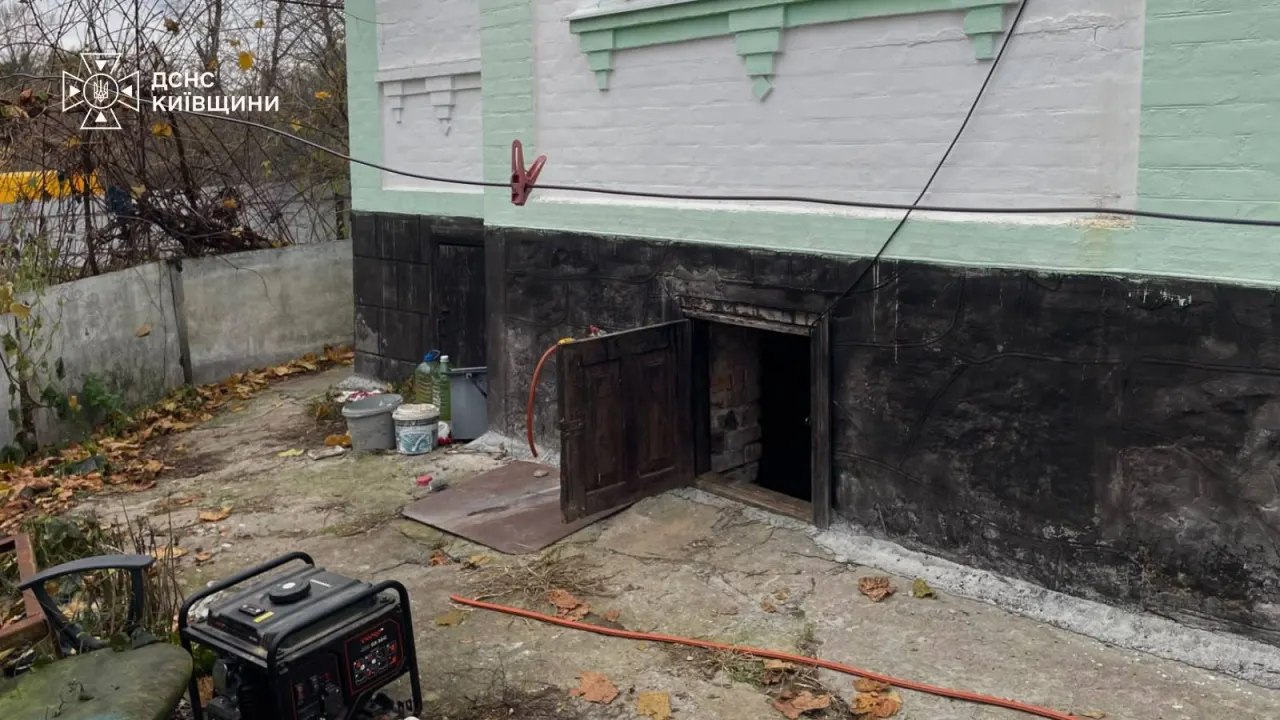
Three people, including a child, died of carbon monoxide poisoning in Chupyra, south of Kyiv, after a generator was run in a basement. Another child was hospitalised. The deaths underline the risks of using generators indoors as households turn to them for electricity and heat during prolonged outages.
Kyiv and its surrounding region have faced daily power and water cuts after Russia’s 3 November attack on energy infrastructure, described as its largest mass attack on the sector this year. More than 600,000 people in Dnipropetrovsk Oblast have also lost power; Ukraine’s energy minister said Russia had carried out over 350 attacks on energy infrastructure since September, damaging more than 800 pieces of equipment. Kyiv’s water system also faces a growing risk of sewage problems this winter.
In short
- Three people died after a generator was run in a basement.
- Another child was hospitalised with carbon monoxide poisoning.
- Energy attacks have left communities facing power and water shortages.
Explained simply
Ukraine’s electricity system has been repeatedly damaged during Russia’s full-scale invasion, leaving some homes without power for extended periods. Kyiv and nearby communities rely on backup generators for electricity and, in some cases, heat.
Generators produce carbon monoxide, a poisonous gas that cannot be seen or smelled. They need to be used outdoors, away from windows and doors, because running one inside a home or enclosed space can cause fatal poisoning.
The outages also affect essential services such as water supply and sewage systems. Their condition matters to residents across the country, especially as colder weather increases demand for electricity and heat.