Politics news and discussion on TalkFuse.
Voters Most Worried About Power Bills Backed Democrats 2-To-1. Here is What Their Win Means For Energy
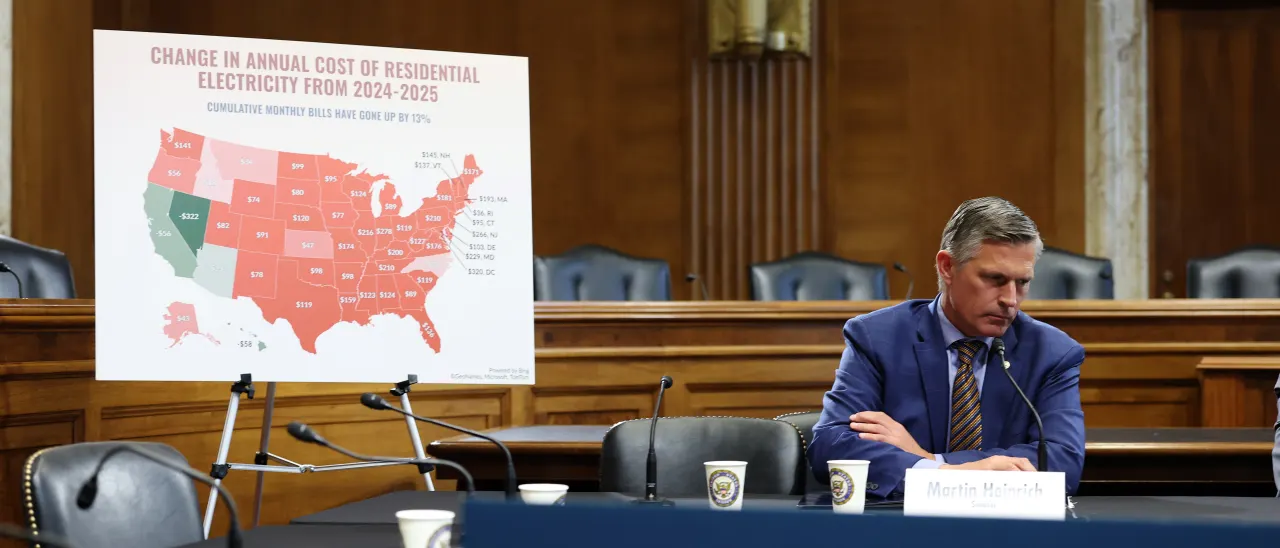
Democrats’ strong midterm result has put pressure on lawmakers to pass a bipartisan energy permitting bill before control of key Senate committees changes in January. The outcome matters because voters most worried about utility and fuel costs backed Democrats by about two to one, while the next Congress could reshape oversight of the Nuclear Regulatory Commission and President Donald Trump’s nuclear agenda.
The Bipartisan American Affordability and Jobs Act, negotiated by senators Martin Heinrich, Sheldon Whitehouse, Shelley Moore Capito and Mike Lee, would speed federal approval of power lines, mines and energy projects. A procedural vote is scheduled for about 5.30pm on 9 November; investment firm TD Cowen lowered its estimate of the bill’s chances from roughly 40% to 25% after the election. Some Democrats and environmental groups want a more ambitious bill, while supporters warn that reopening negotiations could cost Republican votes.
In short
- A bipartisan energy permitting bill faces a Senate vote on 9 November.
- Democrats’ midterm gains may make passage less certain.
- Voters worried about energy costs backed Democrats by about two to one.
Steelman: both sides, in good faith
The strongest fair case each way — we don't pick a winner.
The case for
Supporters argue that faster federal approval of power lines, mines and energy projects could expand energy supply, ease pressure on bills and support jobs. They say the negotiated bill offers a practical bipartisan route to those aims, and that delaying or reopening talks could lose Republican support and leave permitting reform stalled.
The case against
Critics argue that speeding approvals without stronger safeguards or broader reforms could lock in harmful projects and fail to address the causes of high energy costs. They say Democrats should use their election gains to pursue a more ambitious bill, rather than accept a compromise that may not deliver adequate protections or affordability benefits.