Entertainment news and discussion on TalkFuse.
Pro Gamers typically don’t use OLED monitors, but you most definitely can
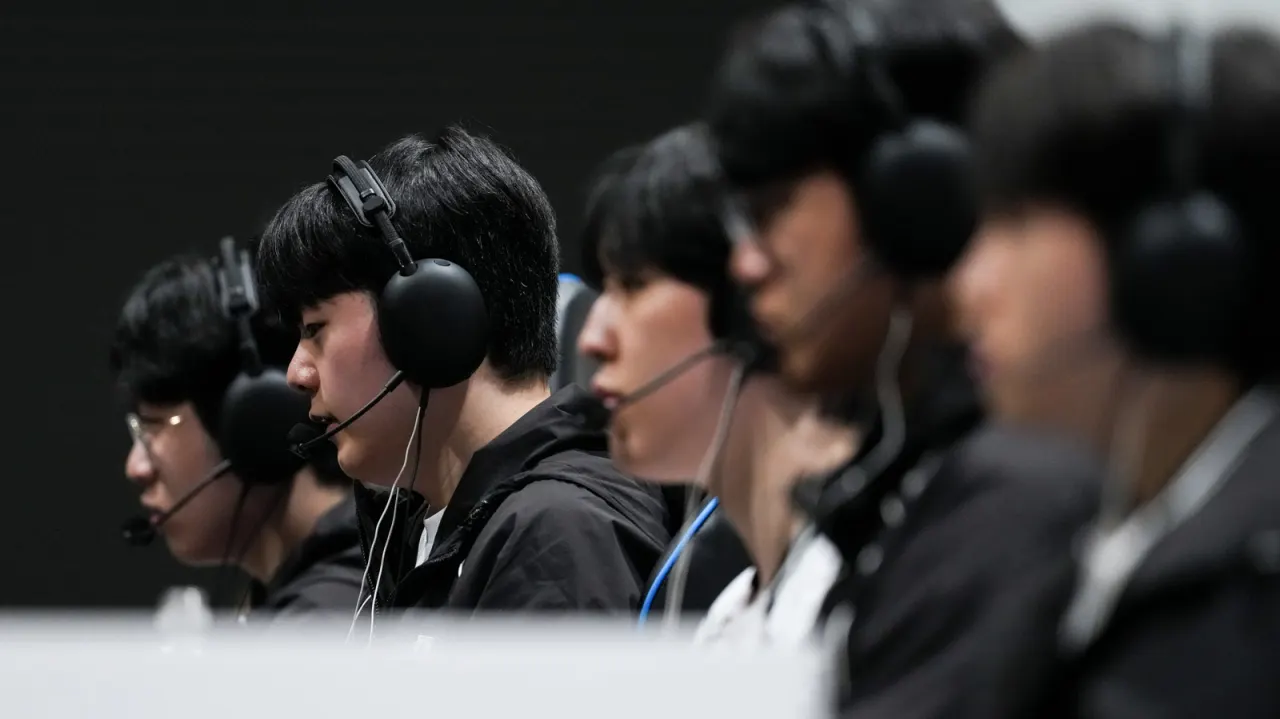
Esports tournaments often use LCD monitors, but that does not mean OLED is unsuitable for competitive gaming. The article says event organisers usually choose and supply screens, prioritising consistent equipment and familiar 24-inch, 1080p models that are widely available in LCD.
OLED offers fast pixel response, strong contrast, deep blacks, good HDR and wide viewing angles, making it attractive for everyday gaming. The article notes that OLED models tend to be larger and more expensive, while LCD screens can offer higher refresh rates; Sony’s 480Hz OLED was developed for the Apex Legends Global Series in 2025, though some IPS models exceed 600Hz.
In short
- Tournament organisers usually choose LCD screens for consistency and availability.
- OLED’s fast response and contrast make it appealing for everyday gaming.
- OLED monitors often cost more and come in larger sizes.
Steelman: both sides, in good faith
The strongest fair case each way — we don't pick a winner.
The case for
OLED can be a strong choice for competitive gaming: its fast pixel response can make motion clear, while high contrast, deep blacks and wide viewing angles improve the experience. Tournament organisers’ use of LCD reflects practical preferences for familiar, widely available 24-inch 1080p equipment, rather than proof that OLED is unsuitable; specialised high-refresh OLEDs show the technology can serve esports too.
The case against
Tournament organisers have good reason to favour LCD: standard 24-inch 1080p screens are familiar, easier to source consistently and may cost less, while some LCD models offer higher refresh rates than OLED alternatives. Since tournaments supply the equipment, consistency and proven availability may matter more than OLED’s image-quality advantages, making LCD the practical competitive standard even if OLED works well for individual players.
Explained simply
Esports tournaments use standard equipment so players compete on comparable setups. Organisers usually choose and supply the monitors, often selecting familiar 24-inch LCD screens that are widely available.
OLED is a screen technology in which each pixel produces its own light, giving strong contrast and deep blacks. OLED monitors can also respond quickly and offer wide viewing angles, while LCD models remain common in tournaments because they come in standard sizes and can offer very high refresh rates.
The choice matters to competitive players, who need screens that suit fast gameplay, and to people choosing monitors for home use. OLED can be appealing for its picture quality, but it often costs more and may be larger than the screens used at events.