World news and discussion on TalkFuse.
Trump ‘holds all the cards’ in war against Iran’s regime, White House says
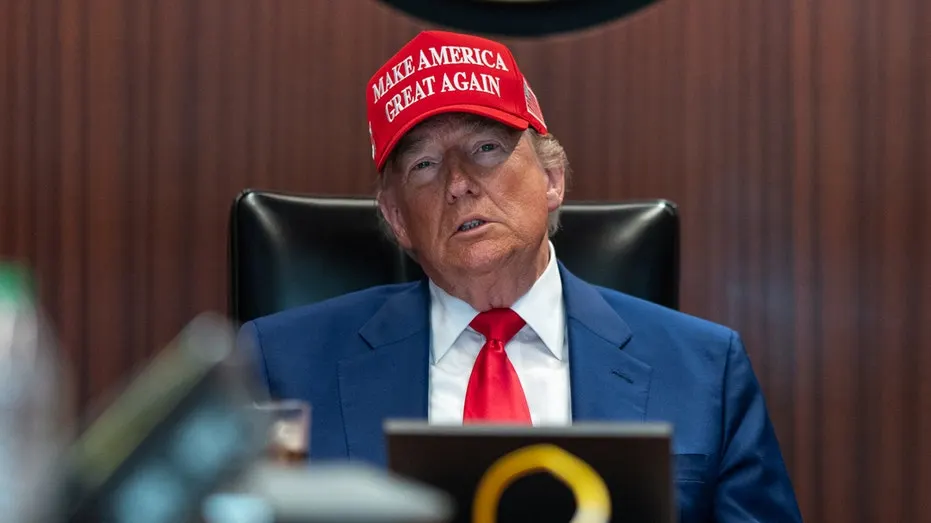
The White House says President Donald Trump is in a strong position in the conflict with Iran, citing US control of the Strait of Hormuz and a collapsing Iranian economy. The comments came after Iran’s Supreme Leader Mojtaba Khamenei claimed the US’s decline had accelerated following Republican losses in the midterm elections. The article presents the remaining two years of Trump’s Iran policy as consequential for his legacy and the region’s future.
Iranian officials have portrayed the election results as a political defeat for Trump and issued hostile messages towards the US and Europe, including a state media video depicting military targets in France, Germany and Britain. Former State Department analyst Navid Mohebbi described this rhetoric as part of a wider effort to shape perceptions of the war’s political cost, noting that only 4% of voters in national exit polling named foreign policy as the country’s most important issue. The White House said Trump would decide whether to pursue further action and when.
In short
- White House says Trump has the advantage over Iran.
- Iran’s leader linked Republican midterm losses to US decline.
- Exit polling found foreign policy was the top issue for 4% of voters.
Steelman: both sides, in good faith
The strongest fair case each way — we don't pick a winner.
The case for
The White House’s case is that US control of the Strait of Hormuz and Iran’s economic decline give Trump significant leverage, making continued pressure a way to constrain the regime and protect US and regional interests. Supporters may also argue that Iran’s threats and depictions of military targets abroad show why a firm response remains necessary, while the President should retain discretion over its timing.
The case against
Critics may argue that claims of decisive US leverage risk overstating the effects of military and economic pressure, while prolonging the conflict could deepen instability and impose costs on people across the region. They may also see Iran’s hostile messaging and election-focused claims as political rhetoric, and argue that a policy shaped around presidential legacy rather than clear, achievable aims could make escalation harder to avoid.
Explained simply
The United States and Iran have a long-running rivalry shaped by disputes over Iran’s nuclear programme, regional influence and US sanctions. The Strait of Hormuz, a narrow passage between Iran and Oman, is a major route for oil and other shipping, so disruption there can affect trade and energy supplies well beyond the region.
Donald Trump is the US president, while Mojtaba Khamenei is Iran’s supreme leader, the country’s highest authority. Their governments use public statements and military pressure as well as diplomacy, and their choices can affect people in both countries and neighbouring states.
US midterm elections decide who holds seats in Congress, which can influence a president’s domestic agenda and political standing. Foreign policy is only one part of voters’ concerns, but the way the conflict develops could shape US relations with allies and Iran’s ties with Europe.
Americas Elections Middle East Politics World