Business news and discussion on TalkFuse.
How much did an iPhone cost in 2007 vs. 2026? The gap is smaller than you think
Developed over time first seen 1 hour ago
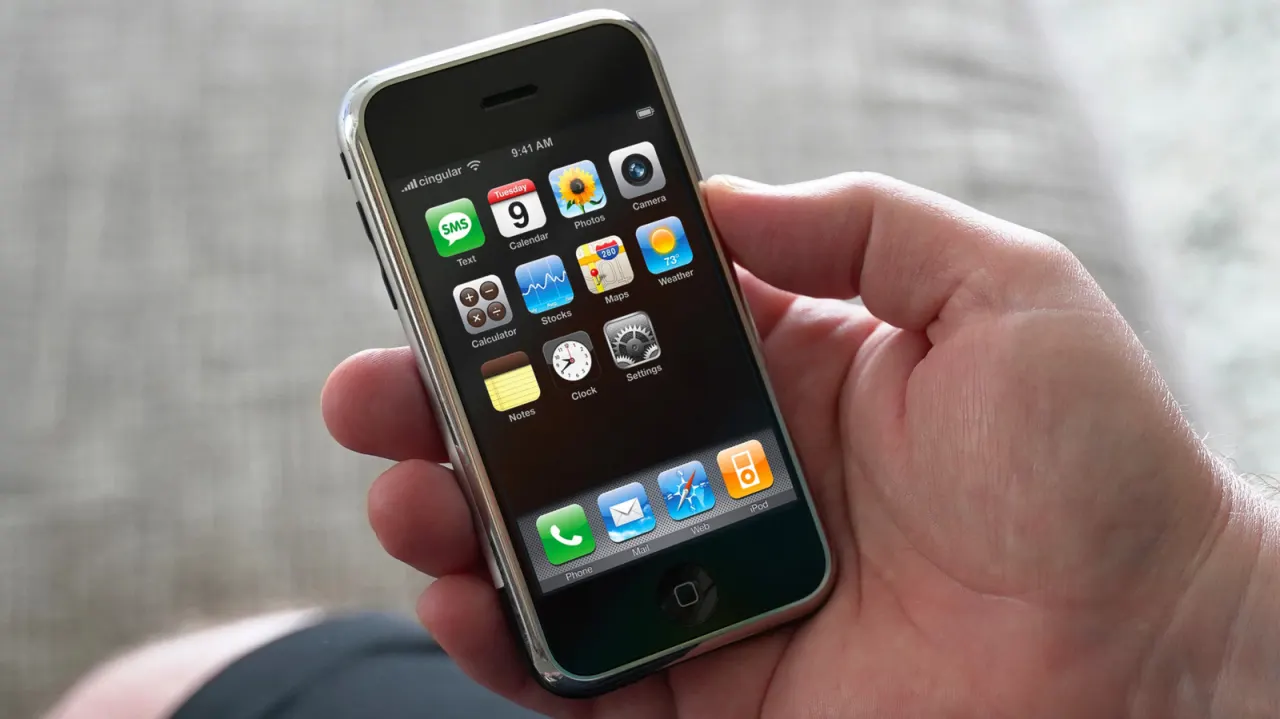
The apparent price gap between the first iPhone and today’s models shrinks once US inflation and older carrier subsidies are taken into account. The comparison suggests modern iPhones cost more in cash upfront, but the original was not as inexpensive as its headline price implies.
The 2007 iPhone started at $499, equivalent to over $800 in 2026 dollars, while the iPhone 17 costs $899. The original also required a two-year AT&T contract, with plans costing at least $60 a month in unadjusted dollars; the $199 prices of the iPhone 3G and 3GS likewise came with contracts. Adjusted for inflation, the unlocked iPhone 4’s $599 price in 2010 is about $920 today. Modern phones offer far more features, though an $899 starting price remains unaffordable for many people.
- Sources
- 2
- Outlets
- 1
- Left · Centre · Right
- 0 · 0 · 0
In short
- Inflation puts the original iPhone’s $499 price above $800 today.
- The iPhone 17 starts at $899, a smaller gap than it first appears.
- Early low prices often depended on costly, long-term carrier contracts.
How this story developed
- 12 minutes ago The apparent price gap between the first iPhone and today’s models shrinks once US inflation and older carrier subsidies are taken into account.
Steelman: both sides, in good faith
The strongest fair case each way — we don't pick a winner.
The case for
The comparison suggests today’s iPhones are not as steep a leap in cost as headline prices imply: the original $499 model would cost over $800 in 2026 dollars, and early low prices often depended on lengthy carrier contracts. Modern models also offer substantially more features, so their higher upfront prices can reflect greater capability.
The case against
Even after adjusting for inflation and accounting for older contracts, today’s models require more cash upfront, and an $899 starting price remains beyond many people’s budgets. Comparing feature-rich modern phones with the original may also obscure the practical point: consumers still face a substantial purchase cost, while historic subsidy arrangements spread or concealed some of that cost.
Explained simply
Apple launched the first iPhone in 2007, when US mobile phones were often sold through networks that helped lower the price paid at the till. Buyers paid AT&T for a two-year service contract as well as for the phone, so the advertised price did not show the full cost of owning it.
Prices from different years are hard to compare because money loses purchasing power over time. Inflation adjustments put the first iPhone’s $499 price at more than $800 in 2026 dollars, while later contract-linked prices also need to be understood alongside their service plans. Modern iPhones have more features, but their upfront prices can still be beyond many people’s budgets.
Coverage · 2 sources
Business Economy Gadgets Technology