World news and discussion on TalkFuse.
Millions celebrate Diwali across India amid worsening air pollution
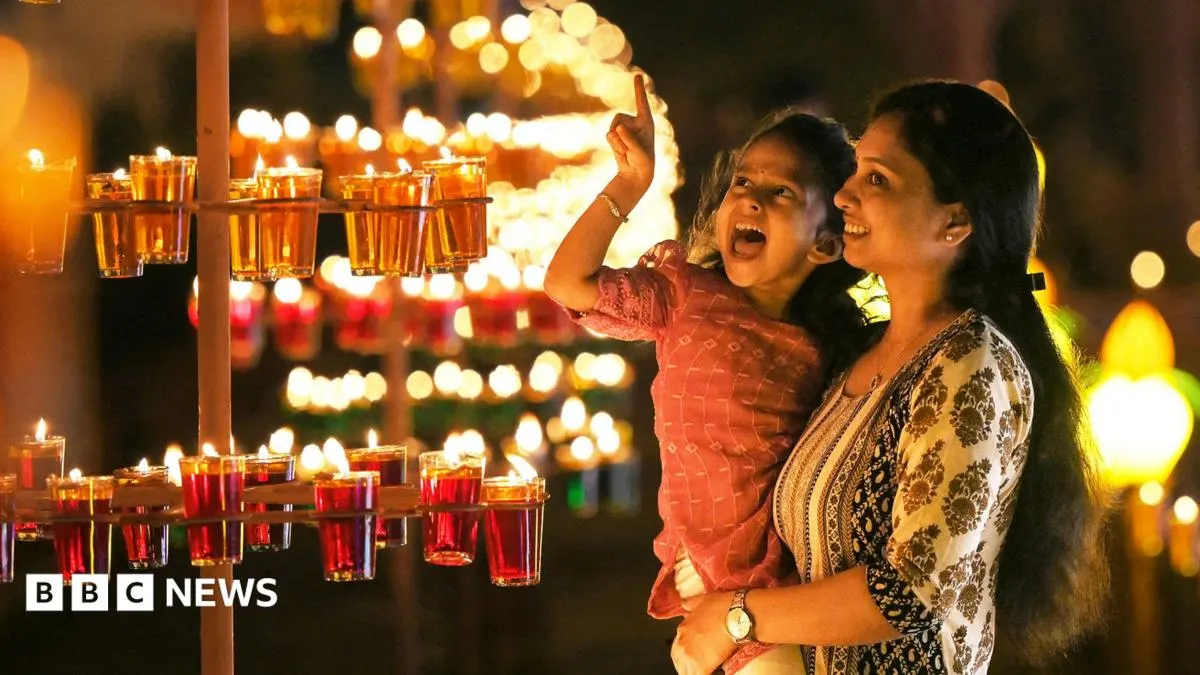
Millions of people across India are marking Diwali, the Hindu festival of lights, with prayers, family gatherings, sweets and homes and streets lit by oil lamps and colourful decorations. The festival celebrates the return of Lord Ram to Ayodhya and the triumph of good over evil, light over darkness and knowledge over ignorance.
This year’s festivities come as air pollution worsens in northern India: Delhi is experiencing its most polluted Diwali in a decade, and Mumbai has also had high pollution levels. India’s Supreme Court has allowed certified “green” firecrackers in Delhi and nearby areas for a limited period; they are designed to produce 20–30% fewer emissions, though critics question their effectiveness and whether conventional fireworks can be kept out. Diwali celebrations began on 6 November and span five days, with Sikhs and Jains marking their own religious observances during the period.
In short
- Diwali celebrations are lighting up homes and streets across India.
- Delhi is facing its most polluted Diwali in a decade.
- Certified green firecrackers are allowed temporarily near the capital.
Steelman: both sides, in good faith
The strongest fair case each way — we don't pick a winner.
The case for
Diwali is a deeply significant religious and cultural celebration, bringing families and communities together through prayer, shared meals and traditions that symbolise hope and the triumph of good. Supporters of allowing fireworks may argue that they are an established part of the festivities and that certified lower-emission versions offer a way to preserve this tradition while reducing pollution.
The case against
Those calling for tighter limits on fireworks can point to the serious health effects of worsening air pollution, particularly in densely populated cities such as Delhi and Mumbai. They may also question whether the claimed emissions reductions are enough or can be reliably achieved, and argue that protecting public health should take priority during a period when pollution is already high.
Explained simply
Diwali is a five-day festival celebrated by Hindus and also observed by Sikhs and Jains, with traditions that vary between communities. For many Hindus, it recalls Lord Ram’s return to Ayodhya and represents the victory of good over evil, light over darkness and knowledge over ignorance.
Families often mark the festival with prayers, visits, sweets and lamps. Fireworks are also a familiar part of celebrations, but they can add to air pollution, a concern in northern India and other cities where pollution levels are already high.
India’s Supreme Court has permitted certified “green” firecrackers in Delhi and nearby areas for a limited time; they are designed to emit fewer pollutants than conventional fireworks. Their effectiveness and how well the rules can be enforced are disputed.
Read the full article at the source →
Originally published by BBC World as “Homes and temples glow across India to mark Diwali”.