Politics news and discussion on TalkFuse.
Iran executes three men over alleged violence during January protests
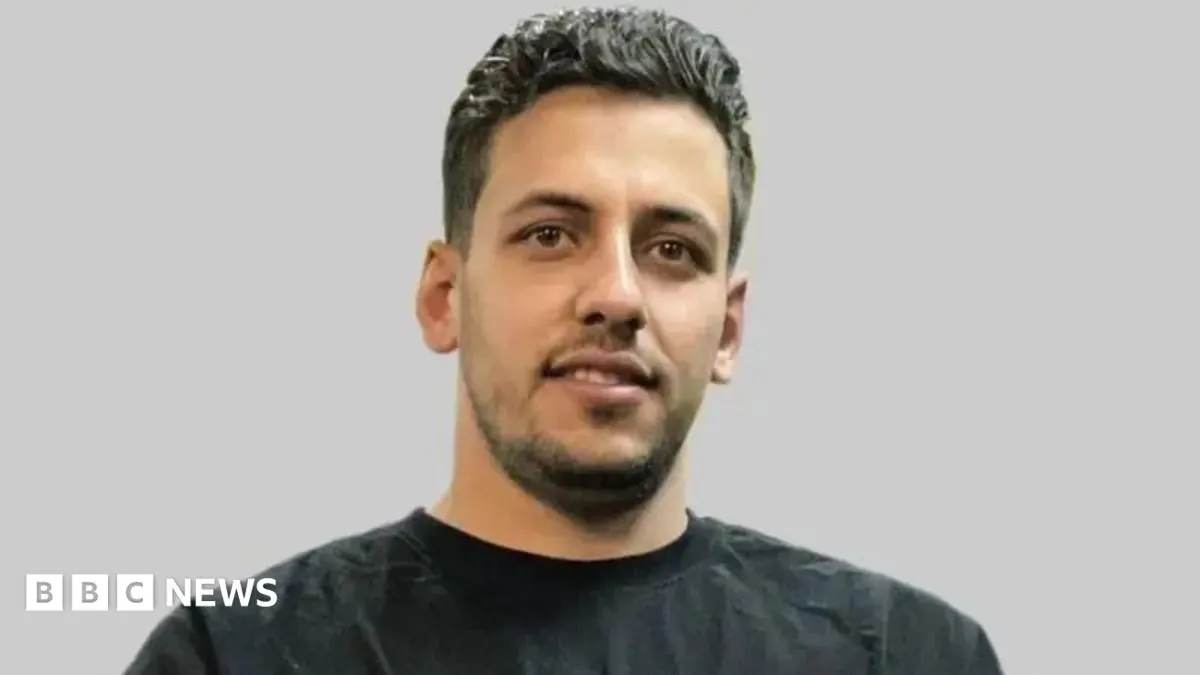
Iran has executed Hassan Dioband, Hamid Kazemi and Reza Zanganeh, whom state media accused of taking part in armed unrest during January’s anti-government protests. The cases matter amid a rise in executions linked to the demonstrations and concern from the UN human rights chief over the use of the death penalty.
State media said the men used weapons and explosives, set fire to public facilities in Karaj and acted on behalf of Israel, the United States and hostile groups; Iran’s Supreme Court upheld their convictions. The protests began over the cost of living in December and peaked on 8 and 9 January. Iranian authorities reported more than 3,000 deaths, while foreign-based groups gave higher estimates and the BBC received accounts of security forces firing on unarmed protesters. Amnesty International says Iran executed at least 2,159 people last year.
In short
- Iran executed three men accused of armed unrest during January’s protests.
- The Supreme Court upheld their convictions, according to state media.
- UN officials have raised concern over a rise in executions.
Steelman: both sides, in good faith
The strongest fair case each way — we don't pick a winner.
The case for
If the men took part in armed attacks, used explosives or set fire to public facilities, the state can argue that severe punishment is needed to protect lives and public safety. Supporters of the convictions may also point to the Supreme Court’s review and say that those found responsible for deadly violence should face the law, even during political unrest.
The case against
The death penalty is irreversible, and convictions arising from protests warrant particular scrutiny where accounts of the violence and death toll differ and reports describe security forces firing on unarmed demonstrators. Critics can argue that allegations of foreign links do not establish guilt, and that executing protesters risks suppressing dissent rather than delivering justice—especially amid broader concern over Iran’s use of capital punishment.
Explained simply
The protests began in December, with anger over the rising cost of living, and grew into demonstrations against Iran’s government. They peaked on 8 and 9 January, when accounts of deaths differed sharply: Iranian authorities reported more than 3,000, while groups outside Iran gave higher estimates.
Iran’s government says some protesters took part in armed violence, while reports also describe security forces firing on unarmed demonstrators. The three men were convicted of offences connected to the unrest; state media said Iran’s Supreme Court upheld their convictions.
The executions come amid wider concern about Iran’s use of the death penalty. Amnesty International says Iran executed at least 2,159 people last year, and the UN human rights chief has raised concerns about executions linked to the protests.
Government Middle East Politics World
Read the full article at the source →
Originally published by BBC World as “Iran executes three men for ‘armed unrest’ after January protests”.