Politics news and discussion on TalkFuse.
Floods bring rare relief to U.S. Southwest reservoirs as Lake Powell rises 20 feet
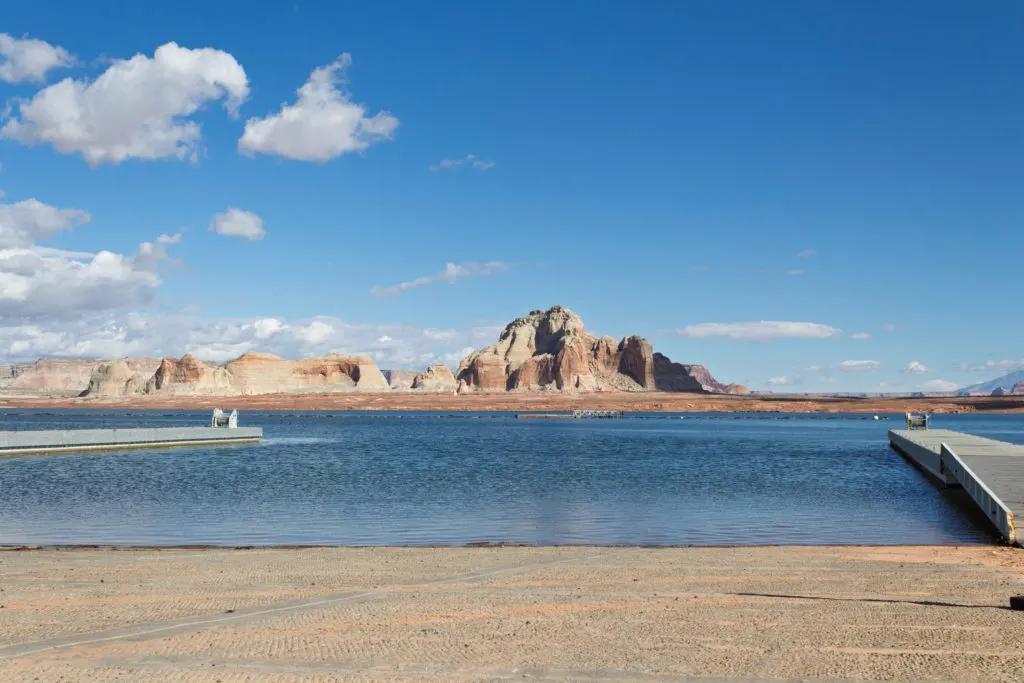
Flooding across the US Southwest has brought an unexpected boost to reservoirs and aquifers depleted by years of drought, after a poor winter snow season offered little replenishment. The rain has also caused evacuations and cut off some communities, but experts say it could improve water supplies across the region in the coming months.
Lake Powell has risen more than 20 feet since mid-September, though it remains just over a quarter full and most of its boat launches are still unusable. Pagosa Springs lifted water restrictions after about seven inches of rain, while Flagstaff’s Upper Lake Mary received more than three billion gallons since early October. Despite the gains, the region remains in drought, and officials are unlikely to change Colorado River water releases before the winter snowpack peaks, typically around April.
In short
- Southwest floods are replenishing reservoirs and aquifers.
- Lake Powell has risen more than 20 feet.
- Drought and water allocation challenges remain.
Explained simply
The US Southwest depends on reservoirs, rivers and underground aquifers for water used by towns, farms and industry. Years of drought have reduced these supplies, and the Colorado River system, which includes Lake Powell, is shared by several states and managed to meet competing needs.
Lake Powell is a large reservoir on the Colorado River, held back by Glen Canyon Dam. Its water levels affect how much water can be stored and released downstream, while smaller reservoirs such as Upper Lake Mary help supply nearby communities.
Rain and flooding can refill reservoirs and aquifers, but one wet spell does not end a long drought or determine how much water will be available later. Officials also weigh snow that accumulates in the mountains over winter, since its spring melt is a major source of water for the region.