Politics news and discussion on TalkFuse.
The midterms energized a powerful political constituency: abuse survivors
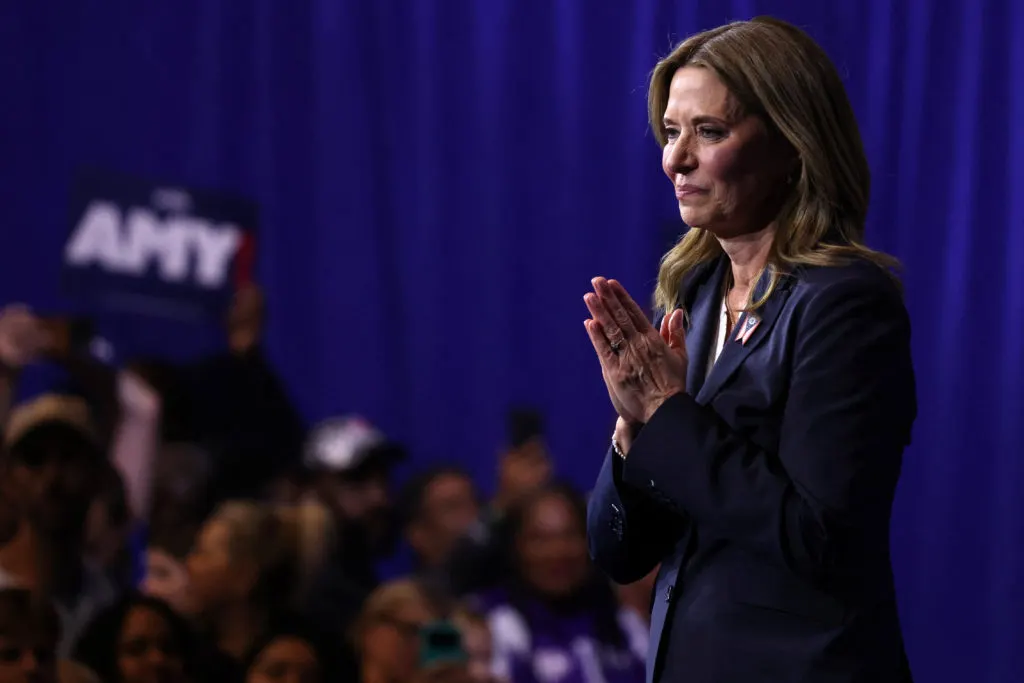
Survivors of sexual abuse and gender-based violence are becoming a more visible political constituency, using personal experiences to lobby for change and influence elections. In Ohio, an attack ad targeting gubernatorial candidate Amy Acton’s account of childhood abuse appeared to energise survivor activists, while Acton went on to win the race by eight points.
Leanna Rocheleau became an advocate after delays and legal barriers prevented her from pursuing a case against a massage therapist she said assaulted her; the state medical board later suspended him for six months. She and fellow advocate Chris Graham have urged Ohio lawmakers to improve protections, as survivors organise at state and national levels. Other campaigns highlighted in the article include a Republican congressional seat lost amid spousal abuse allegations and candidates whose races were shaped by sexual misconduct claims.
In short
- Abuse survivors are organising as a political constituency.
- Amy Acton won Ohio’s governor’s race by eight points.
- Advocates are pressing lawmakers to address barriers survivors face.
Explained simply
Sexual and gender-based violence includes sexual assault and abuse by partners or others. Survivors may face legal deadlines, evidential hurdles and other barriers when seeking action, while professional regulators can impose separate penalties. These systems and their limits have become a focus for some survivors who campaign for changes to the law.
In Ohio, Leanna Rocheleau became an advocate after she said she was assaulted by a massage therapist and found she could not pursue a case. The state medical board later suspended the therapist for six months; Rocheleau and fellow advocate Chris Graham have pressed lawmakers to strengthen protections. Their work sits within a wider effort by survivors to organise and influence policy and elections.
The issue can affect campaigns when allegations or candidates’ accounts of abuse become part of political debate. Survivors and advocacy groups are seeking a role in that debate, while voters and candidates may approach questions of accountability, evidence and reform differently.