Business news and discussion on TalkFuse.
Brits in these 5 jobs can avoid conscription to WW3
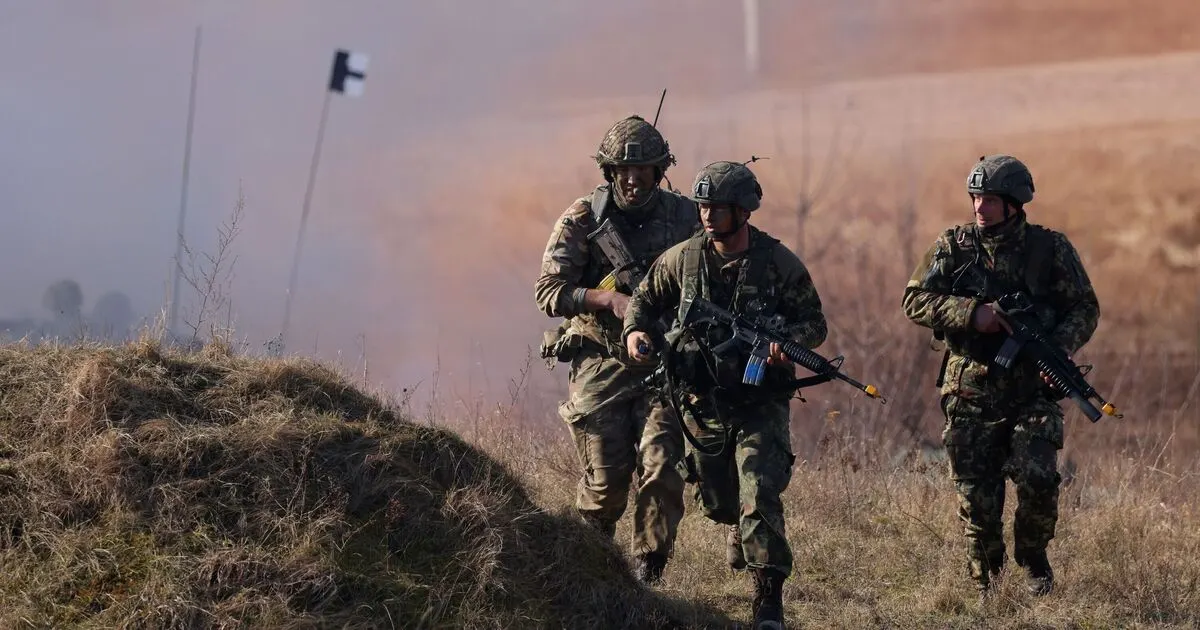
The article says workers in some essential professions were exempt from conscription in Britain’s past, including during the world wars. It matters because renewed talk of a possible conflict with Russia has prompted questions about who might be called up, although the UK currently has no compulsory military service.
Historically, men aged 18 to 41 were liable to register, with exemptions for people medically unfit and workers in key industries such as baking, farming, medicine and engineering. Conscientious objectors could be assigned non-combatant work. Any future return to conscription would require new legislation, and the article cautions that modern technology means past exemptions may not apply.
In short
- The UK has no active conscription law.
- Past exemptions covered workers in essential industries.
- Any future rules would need new legislation.
Steelman: both sides, in good faith
The strongest fair case each way — we don't pick a winner.
The case for
If conscription were reintroduced, exempting workers in essential fields such as medicine, farming and engineering could protect services and infrastructure that civilians and the armed forces both depend on. Past practice offers a precedent, and allowing conscientious objectors non-combatant roles could respect conscience while still meeting some national needs.
The case against
In a serious conflict, broad occupational exemptions could leave too few people available for military service and place an unfair burden on those whose jobs are not protected. Since technology and essential needs have changed, exemptions based on historical lists might no longer be appropriate; any system would need fresh legislation and a careful assessment of current requirements.
Explained simply
Britain has used conscription, or compulsory military service, in the past, including during the two world wars. At those times, men in certain age groups could be called up, but medical unfitness and work in essential industries could qualify people for exemptions.
Farmers, bakers, doctors and engineers were among those whose work could be considered important to keeping the country running. People who objected to fighting on grounds of conscience could be assigned non-combat duties. Britain has no compulsory service now, and bringing it back would require new legislation; past rules may not predict how any future system would work.