Politics news and discussion on TalkFuse.
Israeli opposition leader Eisenkot begins the hard work of forging a coalition government
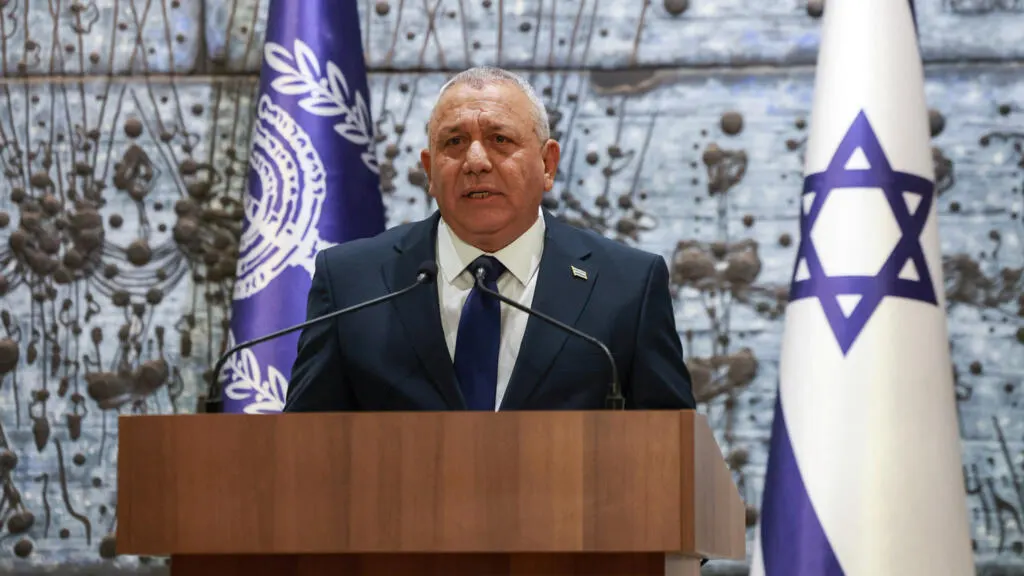
Israeli President Isaac Herzog has asked opposition leader Gadi Eisenkot to try to form the next government, giving him a chance to replace Benjamin Netanyahu after the 27 October election left neither bloc with a majority. The appointment starts difficult coalition negotiations and does not guarantee Eisenkot will become prime minister.
Eisenkot has up to six weeks to secure enough support in the Knesset. Arab-led parties could help him reach a majority: Ra’am has pledged support, while the Joint List has offered backing from outside a coalition, but potential partners disagree over the terms and implications. Eisenkot has set conditions including recognition of Israel as a Jewish and democratic state; other possible routes involve power-sharing with Netanyahu or concessions to ultra-Orthodox parties seeking military-service exemptions.
In short
- Herzog tasked Eisenkot with forming Israel’s next government.
- He has six weeks to assemble a parliamentary majority.
- Arab party support could prove decisive but remains contentious.
Steelman: both sides, in good faith
The strongest fair case each way — we don't pick a winner.
The case for
Eisenkot’s supporters could argue that a coalition bringing together parties with different constituencies is a legitimate way to reflect the election’s divided result and replace a government unable to command a majority. Support from Arab-led parties could broaden representation and help secure a stable parliamentary majority, while conditions affirming Israel’s Jewish and democratic character might give the partnership a shared basis.
The case against
Critics could argue that relying on Arab-led parties whose terms and role remain contested may make a coalition fragile and difficult to govern, particularly if support comes from outside the cabinet. They may also see power-sharing with Netanyahu or exemptions sought by ultra-Orthodox parties as costly compromises that weaken the coalition’s mandate or fairness, and question whether Eisenkot’s conditions can bridge the partners’ differences.
Explained simply
Israel’s parliament, the Knesset, has 120 seats, and a government needs the support of at least 61 lawmakers. After an election, a party leader asked by the president to form a government must negotiate with other parties, often agreeing to share power or adopt some of their policies.
Gadi Eisenkot leads the opposition, while Benjamin Netanyahu is the incumbent prime minister. Arab-led parties, including Ra’am and the Joint List, may affect whether Eisenkot can assemble a majority, but their possible support comes with different terms. Ultra-Orthodox parties are also potential partners and have sought exemptions from military service for their community.
Government Middle East Politics World