World news and discussion on TalkFuse.
Elon Musk’s Austin home targeted by well-funded leftist groups aboard party buses
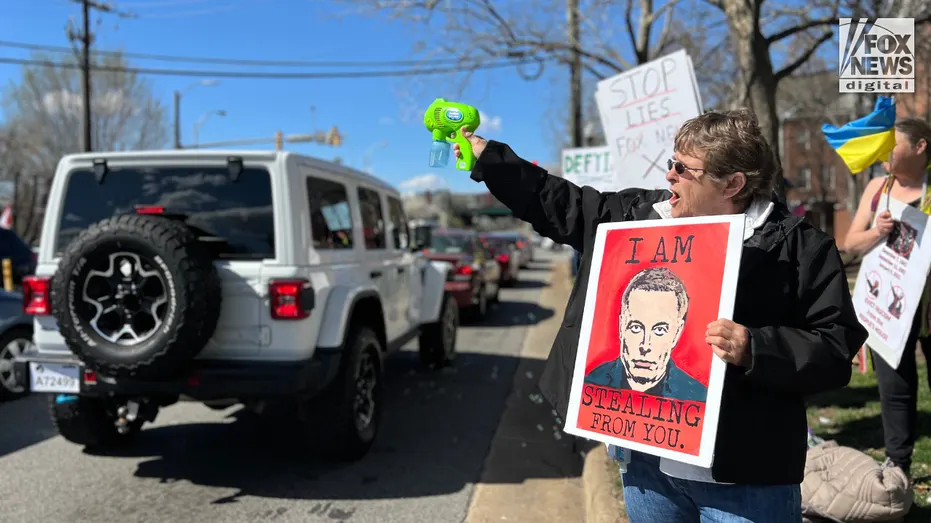
About 60 people attended a post-election protest outside Elon Musk’s home in West Lake Hills, Texas, organised by three US nonprofits. The groups described it as a peaceful “People Over Billionaires” party, with music, speeches and Cybertruck piñatas; the article presents the event as part of a wider, coordinated campaign against Musk and Tesla.
The three organisations reported combined revenue of $56.1 million in 2024, according to their latest tax filings. Participants arrived in two chartered party buses, and a mass-produced anti-Musk poster was displayed. The protest followed earlier “Tesla Takedown” demonstrations in 2025, which the article says involved 258 organisations with an estimated $2.6 billion in combined annual revenue; it also notes that Saturday’s event was peaceful.
In short
- Around 60 people protested outside Musk’s Texas home.
- Three organising nonprofits reported $56.1 million in 2024 revenue.
- The gathering followed earlier coordinated Tesla protests.
Steelman: both sides, in good faith
The strongest fair case each way — we don't pick a winner.
The case for
A peaceful protest outside a prominent public figure’s home can draw attention to concerns about concentrated wealth and political influence, especially after an election. Nonprofits may lawfully pool resources, transport participants and use theatrical displays to make their message visible; their funding alone does not show that the protest was insincere or improperly coordinated. The event’s peaceful nature supports treating it as political expression rather than assuming intimidation.
The case against
Targeting someone’s home can feel intrusive and intimidating even when a demonstration remains peaceful, and public criticism of a powerful figure need not take place at their residence. The groups’ substantial resources, chartered buses and shared materials may reasonably prompt questions about how organised and representative the campaign is, particularly when it is framed as spontaneous public sentiment. Critics may argue that protest tactics should preserve residents’ privacy and make funding and coordination transparent.