World news and discussion on TalkFuse.
Inquiry enters new phase to improve outcomes for white working class pupils
Developed over time first seen 1 day ago
Baroness Morris has launched a new phase of an inquiry into the educational outcomes of white working-class pupils in England, calling for action across society. The review will develop practical solutions to improve children’s starts at primary school and help teenagers aged 14 to 19 access qualifications and work.
The inquiry’s first phase found that 36 per cent of white British pupils receiving free school meals achieved grade 4 or above in GCSE English and maths, compared with 72 per cent of pupils not receiving them. It also found that 52 per cent of white working-class pupils said they were likely to go to university, against 82 per cent of their peers. The year-long review consulted thousands of young people and parents and hundreds of teachers; it said disadvantage may be greater than the data shows because some low-income families were not counted.
- Sources
- 2
- Outlets
- 2
- Left · Centre · Right
- 0 · 0 · 2
In short
- A new inquiry phase will develop practical ways to improve outcomes.
- GCSE English and maths results show a wide attainment gap.
- The review will consider vocational routes and sustained employment.
How this story developed
- 15 hours ago The second phase is now combining further research with collaboration across education organisations, while Education Secretary Lucy Powell has backed the inquiry’s call for reform.
- 21 hours ago The inquiry began a second phase to put its recommendations into practice, reporting that 1.25 million white British pupils eligible for free school meals have among England’s weakest outcomes.
- 21 hours ago Baroness Morris launched a year-long inquiry into improving white working-class pupils’ educational outcomes, citing gaps in GCSE results and university aspirations.
Full account
The Independent Inquiry into White Working Class Educational Outcomes has begun a second phase intended to turn its findings into practical changes. The inquiry reported in June that white British pupils in England who are eligible for free school meals—around 1.25 million children—have some of the weakest educational outcomes across the stages of schooling. Its co-chair Sir Hamid Patel described the new phase as the start of a sustained effort to improve prospects for white working-class young people.
The work will pair further research with collaboration across education organisations. The inquiry plans to investigate how children can get a stronger start in primary school and how their routes through education connect to further study, training and employment. Patel said it would carry out large-scale research where more evidence is needed and build a national network of organisations prepared to put recommendations into practice.
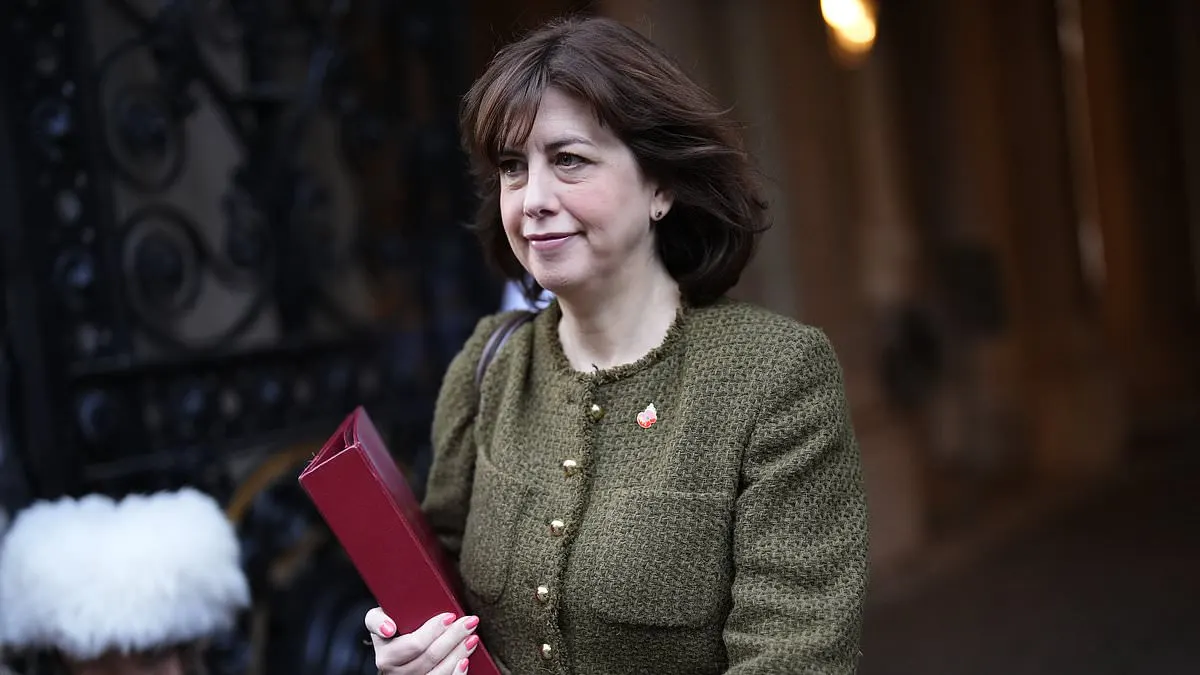
Co-chair Baroness Estelle Morris said the June report had set out both the scale of the difficulties pupils face and the cost of inaction. She argued that schools alone cannot address the problem, and that partnerships across society will be needed. Education Secretary Lucy Powell said she supported the inquiry, describing the barriers as extending from children’s first experiences of school to the choices available to them as teenagers.
The initiative comes amid continuing concern about young people not in education, employment or training, commonly called NEETs; one report puts their number at just under one million. The June inquiry had also proposed measures including more apprenticeships, free local public transport for under-21s and a school smartphone ban. One account gives a specific attainment comparison: 36 per cent of the inquiry’s demographic achieved at least a Grade 4 in English and maths, compared with 72 per cent of pupils not eligible for free school meals.
Where outlets differ
From the full account, which is AI-written from the sources:
The reports share the central announcement and quotations from Morris and Powell. The first stresses the inquiry’s ambition to achieve lasting change and describes its June findings as calling for once-in-a-generation reforms. The second gives more detail about earlier recommendations and the English and maths attainment comparison, and identifies Star Academies as the body that commissioned the inquiry. The first says the inquiry was commissioned in summer 2025; the second does not give that timing. The first also gives the NEET figure as just under one million, while the second refers more generally to a surging number.
Steelman: both sides, in good faith
The strongest fair case each way — we don't pick a winner.
The case for
The inquiry’s findings point to a substantial group of disadvantaged pupils whose weak outcomes may reflect barriers that existing policies have not adequately addressed. Supporters can argue that acting on the recommendations, strengthening early education and improving routes into training and work would make opportunity fairer and help prevent young people from being left behind.
The case against
Others may accept the need to improve outcomes while questioning whether reforms targeted at one ethnic and economic group are the fairest or most effective approach. They could argue that policy should focus on poverty and individual disadvantage across communities, and that further research should establish which interventions work before major system-wide changes are made.
Explained simply
The inquiry is examining how well schools and other parts of England’s education system support white British children from low-income families. Free school meals are commonly used as an indicator of low household income, and the inquiry found that many eligible pupils have weak results at different stages of education.
Its co-chairs are working with education organisations to put the inquiry’s recommendations into practice, including improving support in primary school and routes into further study, training and work. The issue matters because educational opportunities can shape young people’s later choices, while many young people in England are currently not in education, employment or training.
Coverage · 2 sources
Bias meters
From 2 rated sources.
Read the full article at the source →
Originally published by Daily Mail as “Findings of inquiry that found education system ‘is not set up to serve white working class children’ will bring ‘lasting change’”.