Science news and discussion on TalkFuse.
A glimmer of good news for Britain’s sleepy dormouse
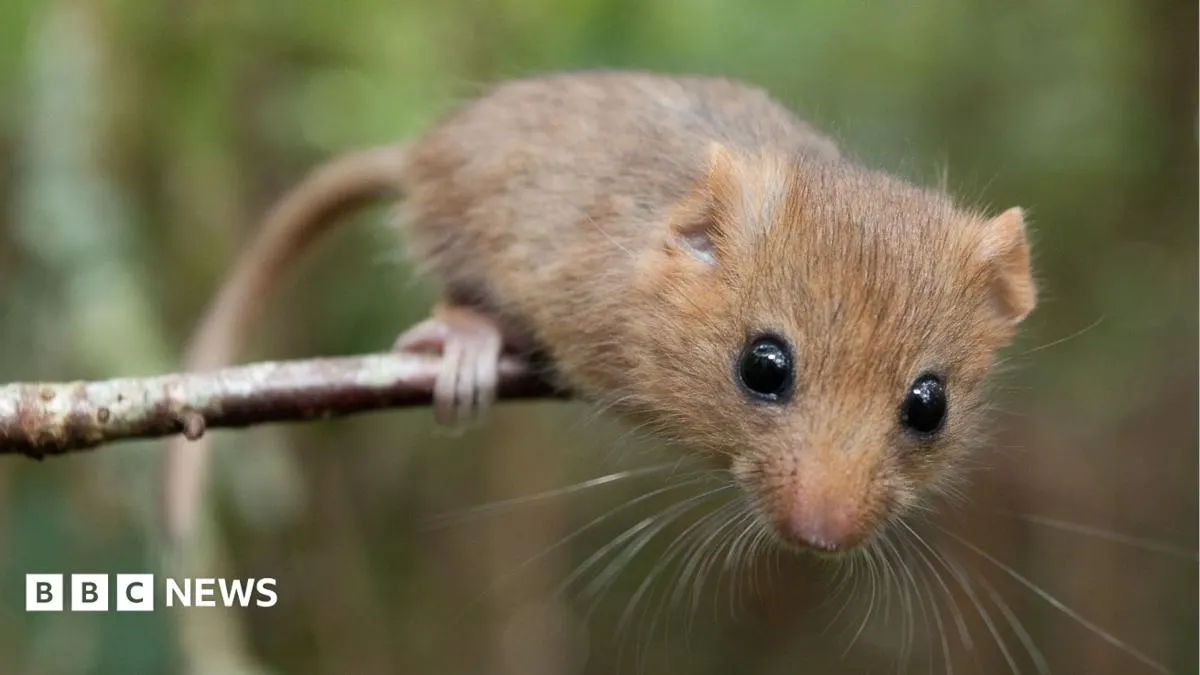
Monitoring suggests hazel dormouse numbers in England and Wales may have begun to recover, offering cautious hope after decades of decline. Researchers say warmer, drier springs and summers may help the animals spend less time in energy-saving sleep and more time feeding and breeding, but the cause of the rise is not certain.
The National Dormouse Monitoring Programme has tracked sites since 1998 and estimates numbers rose by almost 10% from 2020 to 2025, with considerable uncertainty. Since 2000, the population has fallen by almost 60%, averaging a 3.5% annual decline, and dormice have disappeared from around 20 English counties. Conservationists say protecting and managing woodland and hedgerow habitat remains vital, while more research is needed into climate change’s longer-term effects.
In short
- Dormouse numbers may have risen almost 10% since 2020.
- The species remains nearly 60% below its 2000 level.
- Habitat protection and further climate research are still needed.
Explained simply
Hazel dormice are small, nocturnal mammals that live in woodland and hedgerows across parts of Britain. They spend much of the year hibernating, and also sleep for long periods in warmer months when food is scarce.
Their numbers have declined over many years, alongside the loss and fragmentation of the habitats they depend on. The National Dormouse Monitoring Programme has tracked them at sites in England and Wales since 1998, helping researchers follow changes over time.
The recent signs of improvement are uncertain, and researchers do not yet know what is behind them. Warmer, drier seasons may give dormice more time to feed and breed, but maintaining woodland and hedgerows remains important to their survival.