World news and discussion on TalkFuse.
I’ve surrendered to LA’s robot invasion after discovering an unexpected pleasure in the back seat
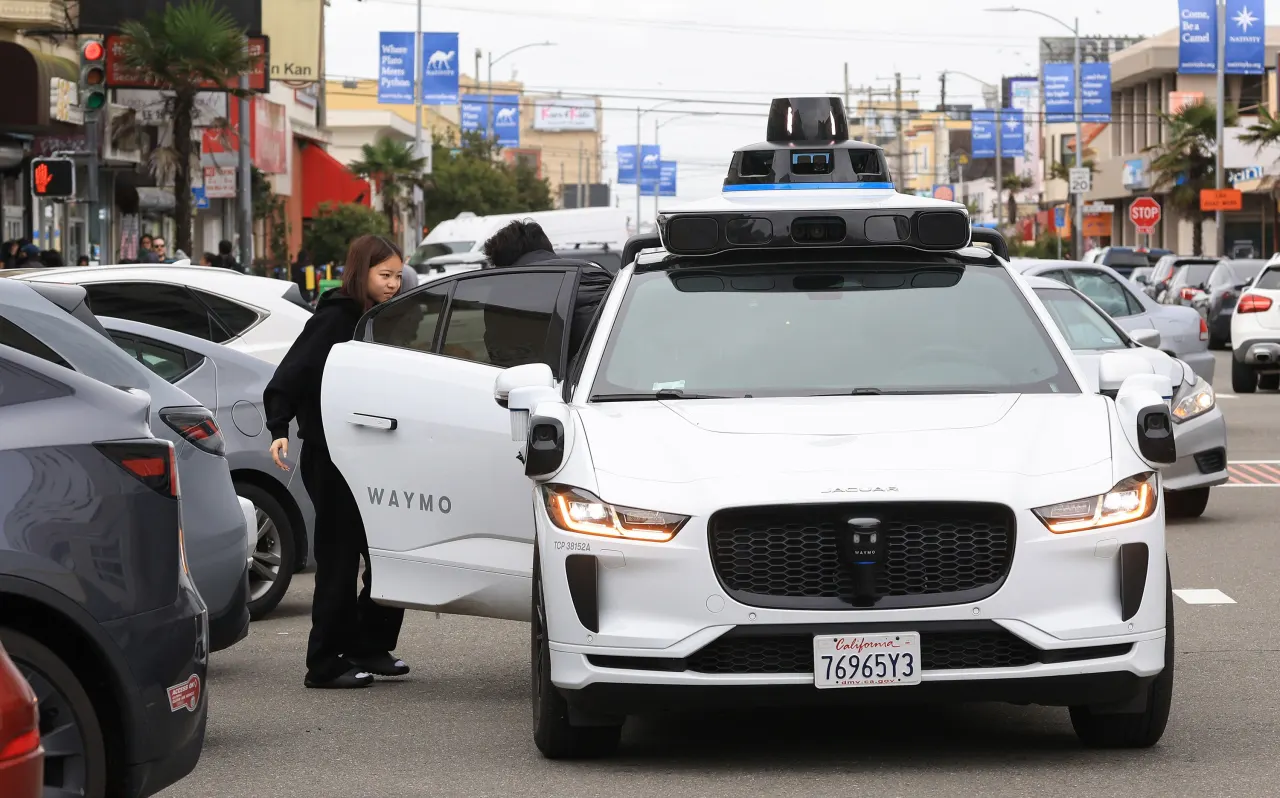
The writer says they have grown comfortable with Waymo’s driverless cars in Los Angeles, valuing their quiet, reliable rides and privacy. The expansion of robotaxis matters because it brings the technology to more communities while raising questions about road safety, jobs and how people want to travel.
Waymo began operating in Los Angeles in 2024 and has expanded to Torrance, El Segundo and Manhattan Beach. The article cites about 40,000 car accidents a year in Los Angeles, or roughly 110 a day, and notes that Waymo reports fewer serious crashes in some categories than comparable human-driven vehicles. It also highlights concerns about questionable manoeuvres, cleaning, surveillance and the impact on drivers’ livelihoods, while arguing that passengers can now choose between a human driver and a quieter, more private ride.
In short
- Waymo has expanded to three more South Bay cities.
- The writer values privacy and calm in driverless rides.
- Safety, surveillance and driver livelihoods remain concerns.
Steelman: both sides, in good faith
The strongest fair case each way — we don't pick a winner.
The case for
Robotaxis may offer quieter, more private and reliable journeys, while expanding access to a new transport option across Los Angeles. If safety data continues to show fewer serious crashes in relevant categories than with human drivers, the technology could reduce harm on the roads; wider use may also help establish where it works well and where it needs improvement.
The case against
Reported safety comparisons do not settle concerns about how driverless cars handle unusual situations or questionable manoeuvres, and mistakes may have consequences for other road users. Their expansion also raises legitimate concerns about surveillance, service quality and the loss of work for human drivers, as well as whether the convenience and privacy of a robotaxi outweigh those costs for the communities affected.
Explained simply
Driverless taxis use cameras, sensors and computer systems to travel without a person at the wheel. Waymo, a company owned by Google’s parent company, began offering rides in Los Angeles in 2024 and has since extended its service to nearby areas including Torrance, El Segundo and Manhattan Beach.
The service is part of a wider debate about how self-driving vehicles compare with human drivers. Waymo reports fewer serious crashes in some categories than similar human-driven vehicles, while questions remain about safety in everyday situations and how the cars handle unusual manoeuvres.
Robotaxis could change travel choices for passengers and affect the work of taxi and ride-hailing drivers. Their spread also raises practical questions about passenger privacy, vehicle cleaning and how communities share the road.