World news and discussion on TalkFuse.
Japan’s July yen-buying intervention sets fresh daily record
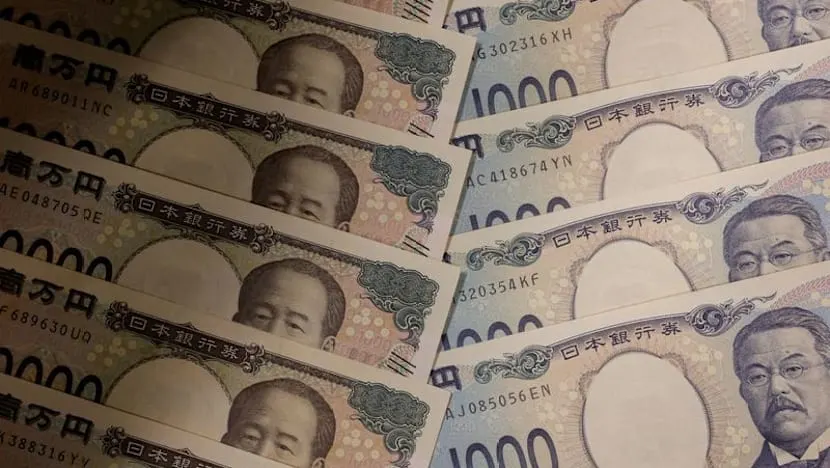
Japan’s government spent 7.98 trillion yen buying its currency on 30 July, the largest single-day yen-buying intervention recorded since comparable data began in 1991. The operation was part of a broader effort to slow the yen’s decline, which had reached its weakest level in 40 years against the US dollar.
Japan intervened on three days between 30 July and 3 August, spending 5.55 trillion yen on 31 July and 1.87 trillion yen on 3 August. The July 31 operation coincided with US action to sell euros for yen, while South Korea also timed a won-buying intervention alongside Japan’s. The detailed figures account for part of a record 15.4 trillion yen spent from 30 July to 26 August.
In short
- Japan spent a record 7.98 trillion yen buying yen in one day.
- The intervention aimed to slow the currency’s steep decline.
- Japan’s broader intervention total reached 15.4 trillion yen.
Explained simply
The yen is Japan’s currency, and its value against the US dollar affects the cost of imports and the price of Japanese goods abroad. When the yen weakens, imported goods can become more expensive for people and businesses in Japan.
Japan’s government can try to support the yen by buying it with foreign currency, often US dollars. Such intervention involves Japan’s finance ministry and the Bank of Japan, which carries out the currency trades.
Currency markets also respond to decisions by other countries and to changes in interest rates and trade. Japan’s efforts matter because a sharp fall in the yen can affect household costs, companies and the wider economy.