World news and discussion on TalkFuse.
Man buys Boeing 737 on Facebook, buries it in backyard as a war bunker, party pad
Developing story first seen 8 hours ago
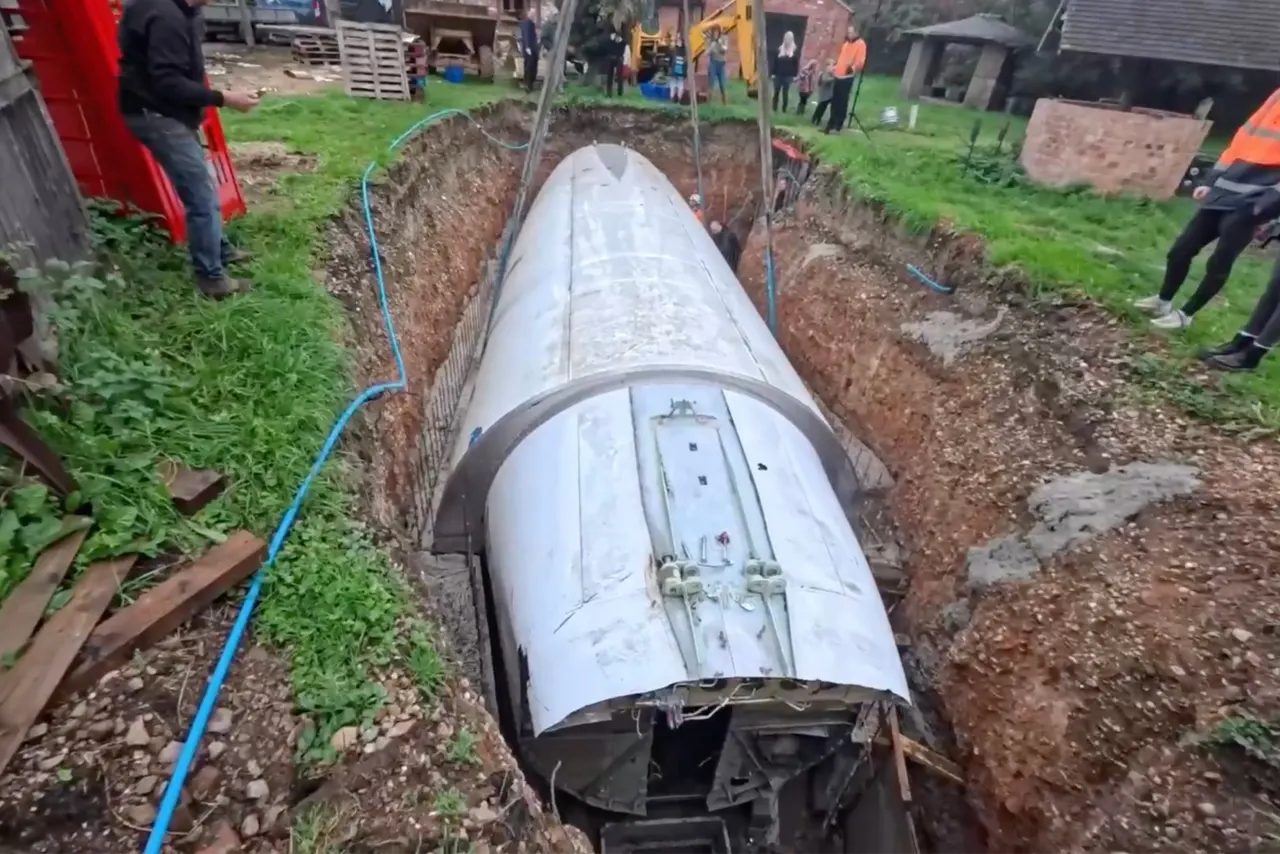
New details show engineer Dave Billings plans to add a concealed lift inside a red phone box, taking visitors down to the buried plane. He says the project is mainly intended as a place for family parties and relaxation, though it could also serve as a shelter during a major conflict.
Billings, 45, bought the stripped Boeing 737-500 fuselage with friends for £4,000 and lowered it into a 14-foot-deep hole at his home in Derbyshire. The wider underground complex has cost at least £50,000 and includes tunnels and hidden rooms; he estimates another £13,000 for concrete, reinforcing mesh and insulation. He hopes to stock three to six months’ supplies, finish by next February and apply for retrospective planning permission.
- Sources
- 2
- Outlets
- 2
- Left · Centre · Right
- 0 · 0 · 2
In short
- A £4,000 Boeing fuselage is being buried beneath a Derbyshire garden.
- A hidden lift in a red phone box will lead into the plane.
- The project is planned as a party space and possible shelter.
How this story developed
- 6 hours ago Engineer Dave Billings has buried a Boeing 737 fuselage in his Derbyshire back garden as part of a large underground project.
- 6 hours ago New details show engineer Dave Billings plans to add a concealed lift inside a red phone box, taking visitors down to the buried plane.
Steelman: both sides, in good faith
The strongest fair case each way — we don't pick a winner.
The case for
Billings could argue that the project makes practical use of a cheap, disused aircraft and creates a private space for gatherings while providing a measure of resilience in an emergency. Investing in supplies and basic services may be a reasonable form of preparedness, and seeking retrospective planning permission would give the local authority a chance to assess the development.
The case against
Neighbours or local planners could argue that a large underground structure built without prior permission may affect safety, drainage, the surrounding land or nearby residents, and that these impacts should be assessed before construction. They may also question whether the substantial cost and effort are justified when the space is primarily for parties and its usefulness as a shelter in a major conflict is uncertain.
Explained simply
A Boeing 737-500 is a passenger aircraft; the fuselage is its main body, without the wings and engines. Turning one into an underground room involves digging a large pit and building a structure around it, with materials such as concrete and insulation.
The project is at the home of Derbyshire engineer Dave Billings, who bought the stripped aircraft body with friends. He says the underground rooms are mainly for family gatherings and relaxation, and could also offer shelter in a major conflict.
Building work on a large structure can require planning permission from the local council. Applying after work has begun is known as retrospective planning permission, and the council will decide whether the development can remain.
Coverage · 2 sources
Bias meters
From 2 rated sources.