World news and discussion on TalkFuse.
It’s time Britain stopped turning its back on white working-class children
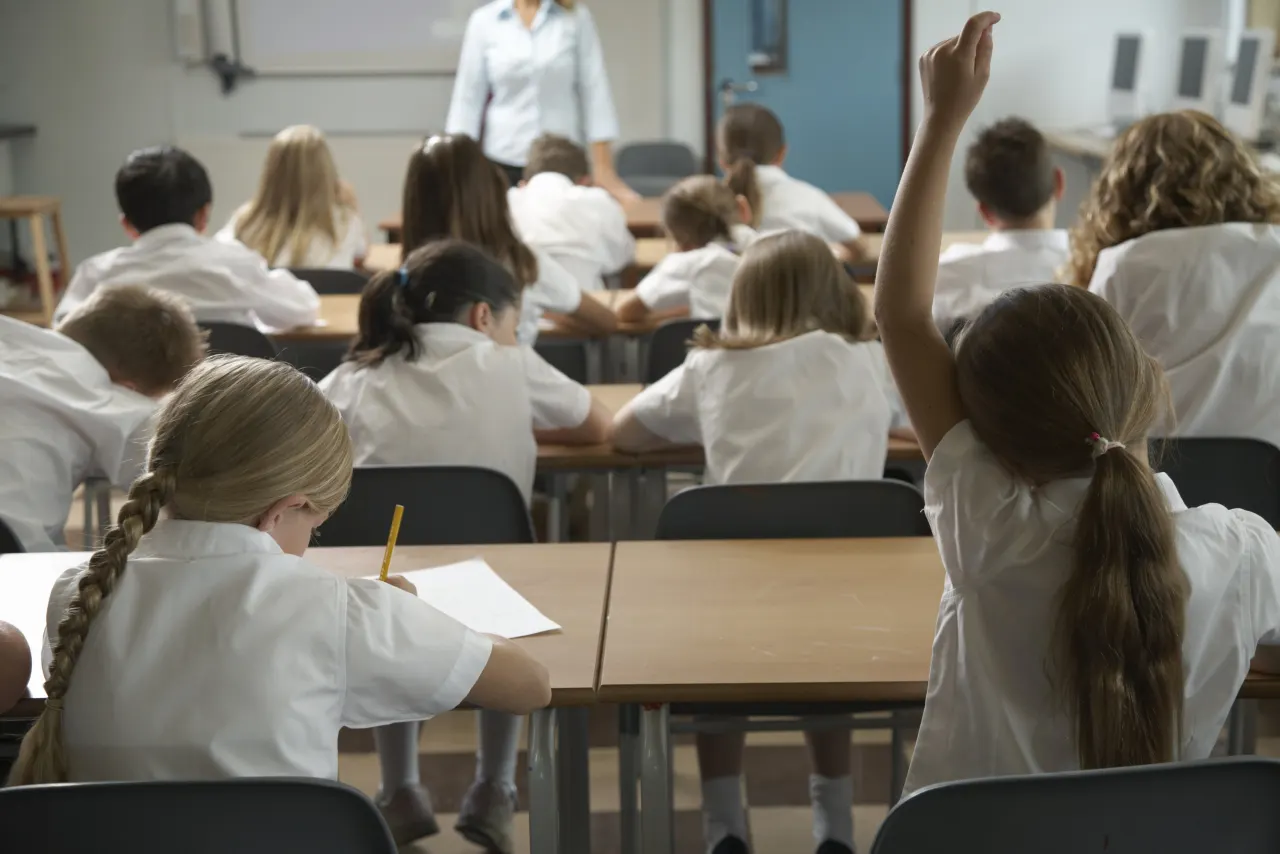
Baroness Estelle Morris and Education Secretary Lucy Powell have called attention to the educational disadvantage faced by white working-class pupils, with Powell saying too many fall behind at every stage. The article argues that improving outcomes requires action across society, particularly in communities affected by deprivation, isolation and industrial decline.
It proposes stronger early-years provision and family support, targeted regional investment, and better pastoral support to address persistent absence and rebuild trust between schools and communities. It also calls for schools to work with employers and local services, and for vocational routes that recognise practical skills to be valued alongside academic pathways.
In short
- White working-class pupils face persistent educational disadvantage.
- Early support and investment in left-behind communities are proposed.
- The article calls for stronger vocational and community partnerships.
Steelman: both sides, in good faith
The strongest fair case each way — we don't pick a winner.
The case for
Supporters argue that white working-class pupils in deprived and post-industrial communities face persistent barriers that deserve explicit attention, including weak early-years support, absence and limited local opportunities. They say targeted investment, family and pastoral services, stronger school-community ties and respected vocational routes could improve outcomes while recognising practical skills alongside academic achievement.
The case against
Others argue that policy should target disadvantage by income, need and place rather than foregrounding pupils’ race or class identity, since deprivation affects children from many backgrounds and broad labels can obscure individual circumstances. They may favour strengthening universal services and directing extra help through evidence of need, while cautioning that targeted programmes require clear evidence and should not divert support from other disadvantaged pupils.
Explained simply
White working-class pupils are a broad group, often identified in education statistics by their ethnicity and whether their families receive support linked to low income. On average, pupils from disadvantaged backgrounds are less likely to reach expected levels at school, though outcomes vary widely between children and places.
Schools are one part of a wider system that shapes children’s learning: early-years services, family support, local jobs and community facilities also matter. In areas affected by poverty or the loss of major industries, limited services and persistent absence can make it harder for pupils to stay engaged.
Estelle Morris is a former education secretary and a Labour peer in the House of Lords; Lucy Powell is the UK education secretary. Debates about support for these pupils concern how schools, councils and employers can widen opportunities, including through practical and vocational training as well as academic study.