Business news and discussion on TalkFuse.
Andy Burnham refuses to rule out EV target U-turn as Labour considers slashing Net Zero car sales mandate
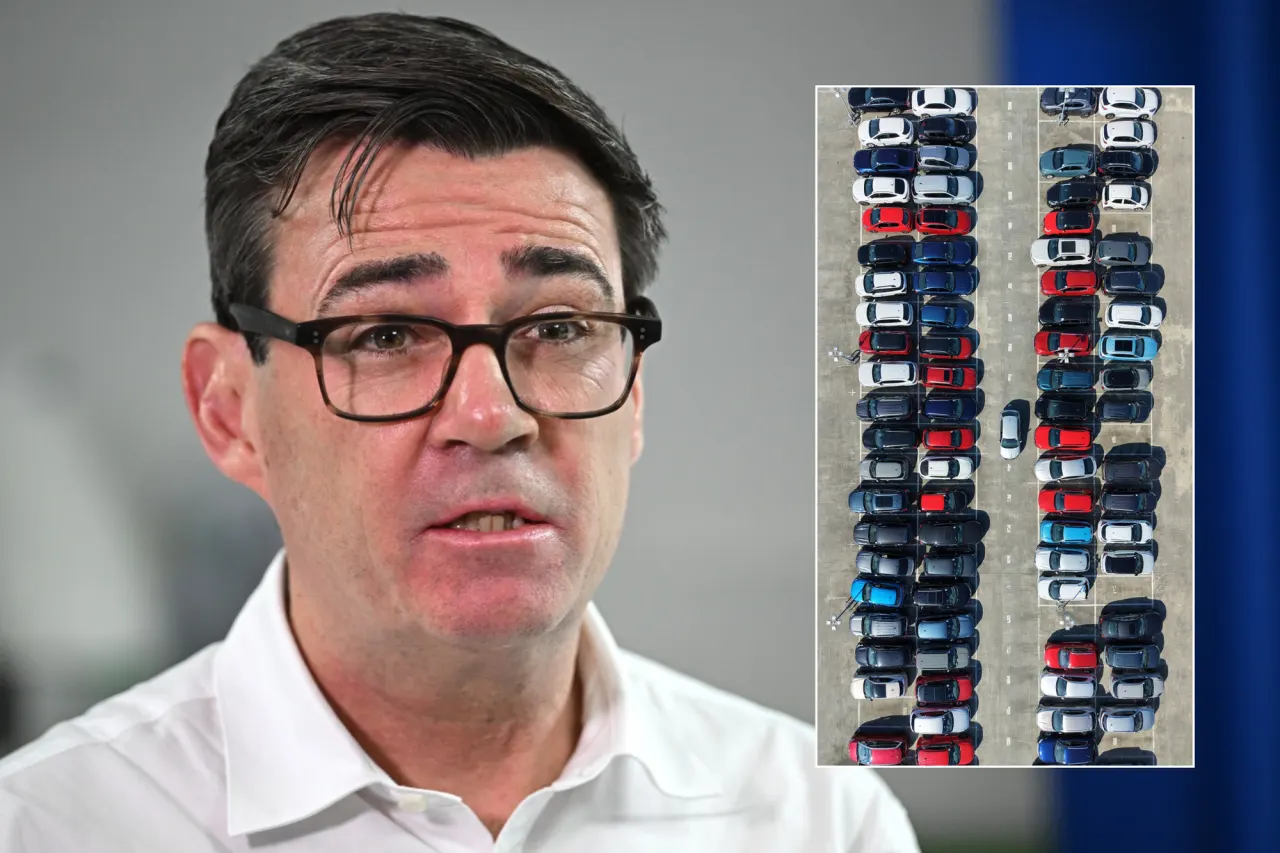
Andy Burnham said no decision has been made on the UK’s electric-vehicle sales targets, amid reports that ministers may weaken the rules. The issue is under review as the Government weighs concerns from carmakers about the pace and cost of the transition, while the reports have drawn criticism from climate campaigners ahead of the UN climate summit in Turkey.
The current mandate requires zero-emission vehicles to make up 80 per cent of new-car sales by 2030, with hybrids allowed to account for the remainder. Options in the Government’s consultation included lowering the target to 50 per cent, while a reported proposal would reduce it to 60 per cent. The motor industry’s trade body says faster targets could raise costs and limit consumer choice, though it says consumers are increasingly choosing electric cars.
In short
- Burnham says the EV target decision is still pending.
- The current 2030 target is 80 per cent of new-car sales.
- A reported proposal would lower it to 60 per cent.
Steelman: both sides, in good faith
The strongest fair case each way — we don't pick a winner.
The case for
Keeping the mandate ambitious could give carmakers a clear, stable signal to invest in electric vehicles, charging and supply chains, helping cut transport emissions and support the UK’s climate commitments. Advocates may also argue that predictable targets can accelerate innovation and bring costs down over time, while avoiding a late shift that leaves industry less prepared for the transition.
The case against
Reducing the target could give carmakers more time to adapt production and supply chains, and limit the risk that compliance costs are passed on to buyers or that fewer affordable models are available. Supporters of a slower timetable may argue that policy should reflect uneven consumer demand and charging access, preserving choice while the market and infrastructure develop.
Business Climate Companies Europe Government Politics Science World