World news and discussion on TalkFuse.
Royal Navy prepares autonomous boats to monitor Russian ships in UK waters
Developing story first seen 7 hours ago
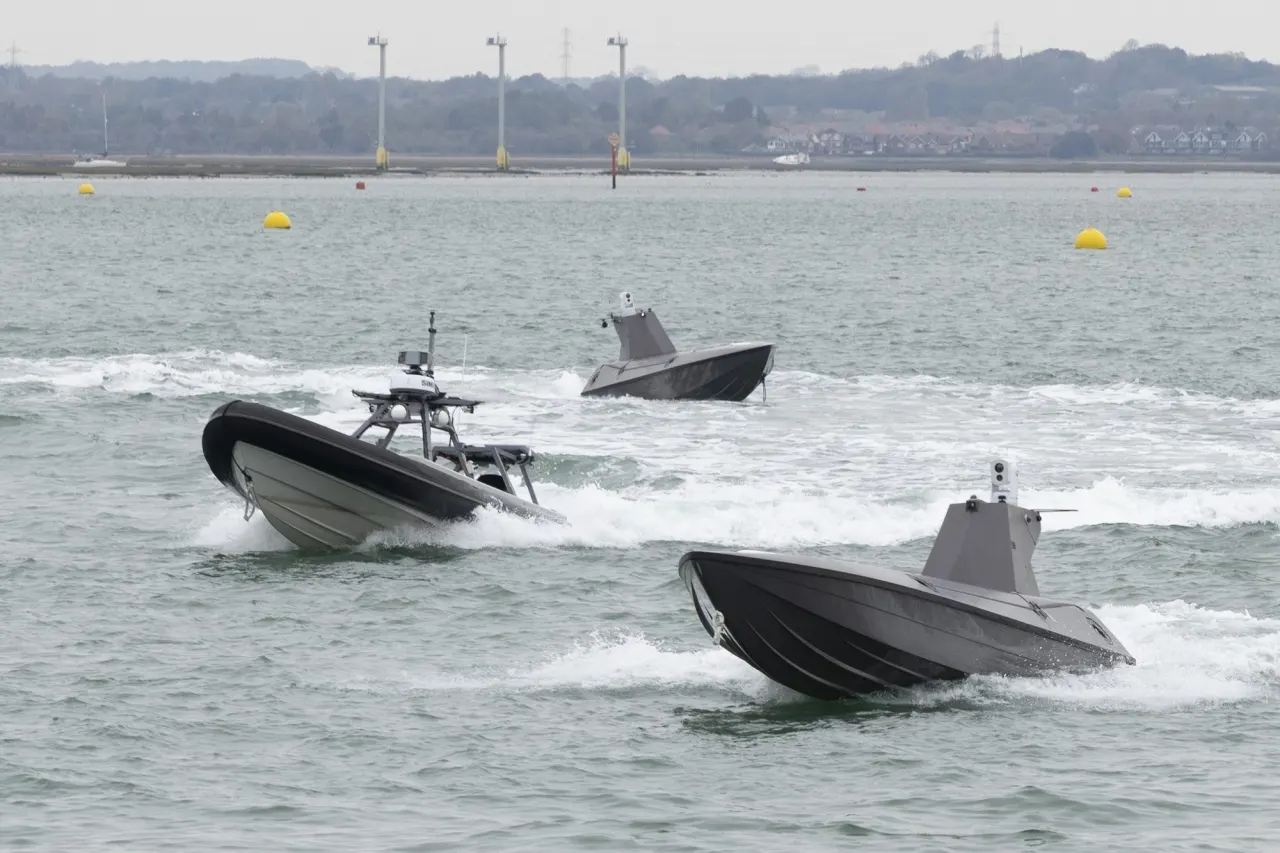
The Royal Navy says its first autonomous surface vessel squadron is ready to begin operating in UK waters before the end of the year, with the craft intended to help track and deter Russian ships. The launch marks the first integration of autonomous surface vessels into frontline Royal Navy operations as reported Russian activity around Britain rises.
The Portsmouth-based squadron will operate dozens of Kraken 3 boats through the £12.3 million Project Beehive programme. Each is 8.4 metres long, can reach 55 knots and has a range of up to 1,100 miles with extended fuel tanks; around 180 sailors will support round-the-clock operations. The Ministry of Defence reported a 25 per cent rise in Russian naval activity in the first seven months of 2026 compared with the same period in 2025, while the programme forms part of a planned £1.5 billion shift towards a hybrid navy. A security review earlier led the Ministry to disconnect the boats’ cameras; it said there was no evidence that MoD data or systems had been accessed or transmitted externally.
- Sources
- 2
- Outlets
- 2
- Left · Centre · Right
- 1 · 0 · 1
In short
- Royal Navy drone boats are expected to start operating in UK waters before year-end.
- The squadron will use dozens of Kraken 3 craft.
- Russian naval activity near Britain rose 25 per cent in early 2026.
How this story developed
- 4 hours ago The Navy now says the squadron is ready to operate in UK waters and could monitor and intercept Russian vessels; it also says a camera security review found no evidence that Ministry of Defence data had been accessed or sent externally.
- 5 hours ago The Royal Navy said its Portsmouth-based autonomous vessel squadron would begin UK operations before year-end, deploying Kraken 3 boats to track and deter Russian ships amid rising activity near Britain.
Where outlets differ
Left-leaning outlets 1
Only here: deploy, tackle, interference
Right-leaning outlets 1
Only here: prepares, monitor, ships
Every side used: royal, navy, autonomous, boats, russian, waters
Headline columns compared word for word; nothing in them is AI-written.
Steelman: both sides, in good faith
The strongest fair case each way — we don't pick a winner.
The case for
Supporters argue that autonomous boats can give the Navy more persistent coverage of UK waters and help monitor Russian activity without putting sailors aboard every patrol craft. They see the programme as a relatively affordable way to strengthen deterrence and add capacity alongside crewed ships, while retaining sailors to oversee operations.
The case against
Sceptics argue that relying on autonomous craft in frontline operations could introduce vulnerabilities, including technical failures, cyber risks and uncertainty about how they perform in a crisis. They may also question whether the investment and support crew will deliver dependable coverage, and whether reported security concerns warrant more caution before the boats are deployed.
Explained simply
The Royal Navy is the United Kingdom’s naval force, responsible for protecting the country’s waters and supporting operations overseas. It has traditionally relied on crewed ships, but is now developing a “hybrid navy” that combines crewed vessels with autonomous craft operated remotely or with limited onboard direction.
Project Beehive is a Ministry of Defence programme based in Portsmouth, using small, fast boats called Kraken 3s. They are intended to help monitor ships at sea, including Russian vessels, while sailors on shore support their operation.
The programme sits within wider efforts to respond to reported increases in Russian naval activity around Britain. Using autonomous boats could add to the Navy’s ability to watch UK waters, while their integration into frontline operations raises questions about how such systems are secured and managed.
Coverage · 2 sources
Bias meters
From 2 rated sources.
Read the full article at the source →
Originally published by GB News as “Royal Navy drone boats ‘ready to be deployed’ in UK waters to intercept Russian spy ships”.