Technology news and discussion on TalkFuse.
Trump Admin Cleared AI Chip Sales To Chinese Companies With Empty Offices: REPORT
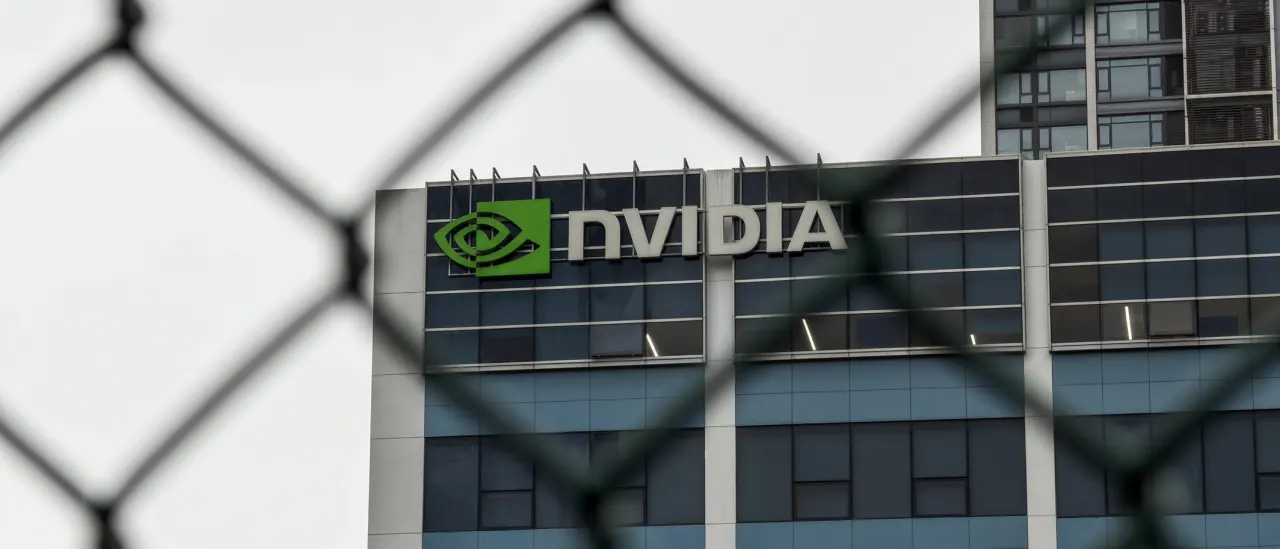
The Commerce Department approved sales of Nvidia AI chips to dozens of Chinese companies, including some whose listed offices were empty or whose links raised national security concerns, according to a New York Times report. The approvals have prompted questions about whether the US is adequately checking buyers and enforcing export controls.
One approved buyer, New Matrix, reportedly had little online presence and did not occupy its registered address; Chinese corporate records linked it to Wise Road, a blacklisted investment firm. Other approved firms were reportedly connected to blacklisted companies or Chinese military contractors. The Commerce Department says its security bureau reviews applications and has imposed more than $300 million in penalties for export violations in 2025. The Trump administration loosened some limits on chip sales to China, including allowing Nvidia to sell its H200 chip subject to conditions and a 25% tariff on its value.
In short
- US approved Nvidia chip sales to dozens of Chinese firms.
- Some buyers reportedly had empty offices or sensitive links.
- The approvals raise questions about export control checks.
Steelman: both sides, in good faith
The strongest fair case each way — we don't pick a winner.
The case for
Approving chip sales under strict conditions can support US businesses, preserve American influence in the global technology market and give officials leverage through licensing, monitoring and penalties. The Commerce Department says applications receive security review and that it has imposed substantial penalties for export violations, which could indicate that targeted enforcement is preferable to a blanket ban.
The case against
Approvals involving buyers with apparently empty offices or links to blacklisted firms raise serious questions about whether checks are identifying who will ultimately receive the chips. Given the potential military and security uses of advanced AI hardware, critics can reasonably argue that uncertain ownership and weak verification warrant tighter scrutiny or denial, and that penalties after violations may not prevent sensitive technology from reaching restricted users.
AI Asia Politics Technology World