World news and discussion on TalkFuse.
Ukraine risks missing window to pass anti-money laundering laws for European payment access
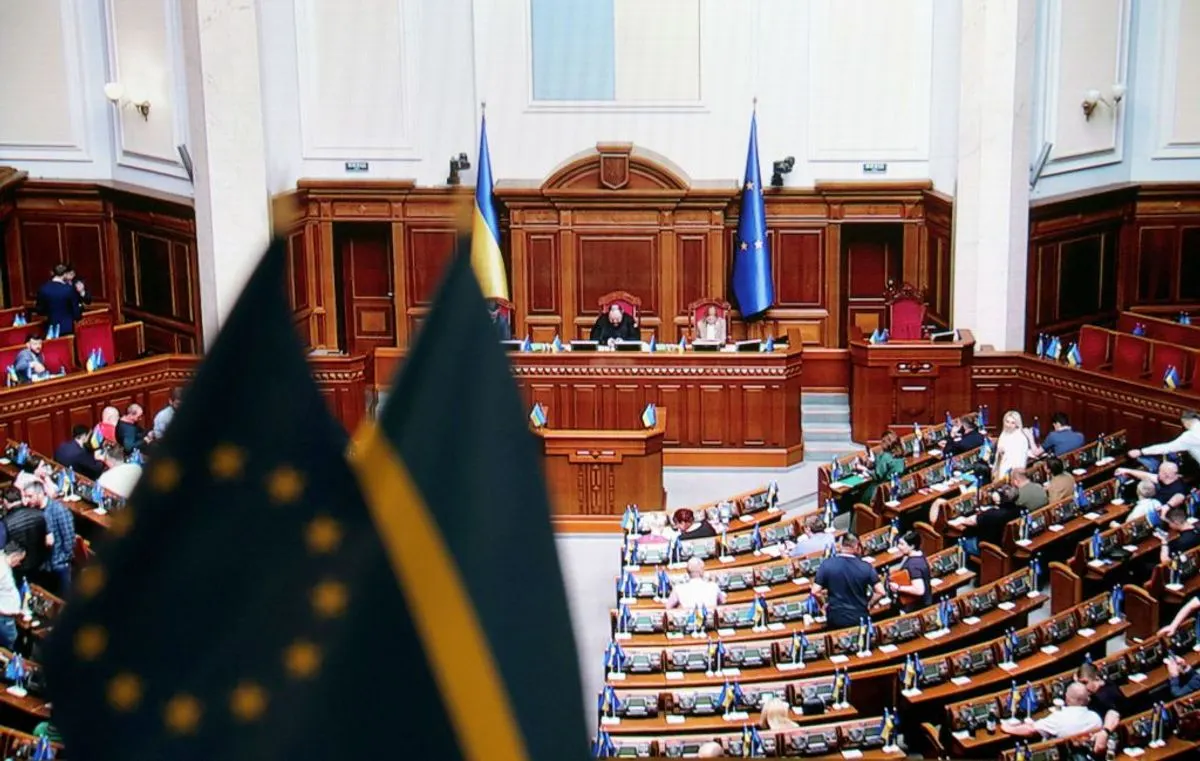
Ukraine is under time pressure to pass anti-money laundering legislation needed to apply to the Single Euro Payments Area (SEPA), which makes euro transfers faster and cheaper. Parliament is due to consider the main bill on 10 November, but lawmakers remain divided over which authorities should be able to access a register of bank accounts.
The proposed register would show which bank holds a person’s account or safe-deposit box, but not balances or transaction histories. A compromise would initially give access to the Bureau of Economic Security, the National Agency for the Prevention of Corruption and the Asset Recovery and Management Agency. Lawmaker Olha Vasylevska-Smahliuk estimates SEPA membership could save Ukrainians and businesses Hr 10 billion ($220 million) a year; the aim is to pass the law by year-end, before stricter EU rules take effect on 10 July 2027.
In short
- Ukraine’s SEPA application depends on passing anti-money laundering laws.
- Lawmakers are disputing which agencies can access bank account records.
- The proposed membership could save Hr 10 billion a year.
Steelman: both sides, in good faith
The strongest fair case each way — we don't pick a winner.
The case for
Granting the named financial and anti-corruption agencies access to a limited register could help investigators identify where suspected illicit funds are held, without revealing balances or transaction histories. Passing the law promptly may also keep Ukraine on course for SEPA access, lowering euro-transfer costs for households and businesses and supporting closer integration with European payment systems.
The case against
Even a register that omits balances and transaction histories exposes sensitive information about where people bank and hold valuables, so access should be tightly justified and subject to safeguards against misuse or unauthorised searches. Lawmakers could argue that rushing legislation to meet a deadline risks weak oversight or unclear limits on agency access, and that payment savings do not remove the need to protect privacy and due process.
Explained simply
SEPA is a European network that allows people and businesses to make euro payments across participating countries more quickly and cheaply. Ukraine wants to join, which could reduce the cost of sending and receiving euros.
To meet the requirements for joining, Ukraine needs anti-money laundering laws that help authorities trace who holds accounts at which banks. The proposed register would identify the bank holding an account or safe-deposit box, but would not show balances or payment histories.
The debate is over which Ukrainian authorities should be allowed to consult the register. The Bureau of Economic Security, the National Agency for the Prevention of Corruption and the Asset Recovery and Management Agency are among those proposed for access.