World news and discussion on TalkFuse.
Britain’s wind power plunge shows gas is vital to keep lights on, warn experts
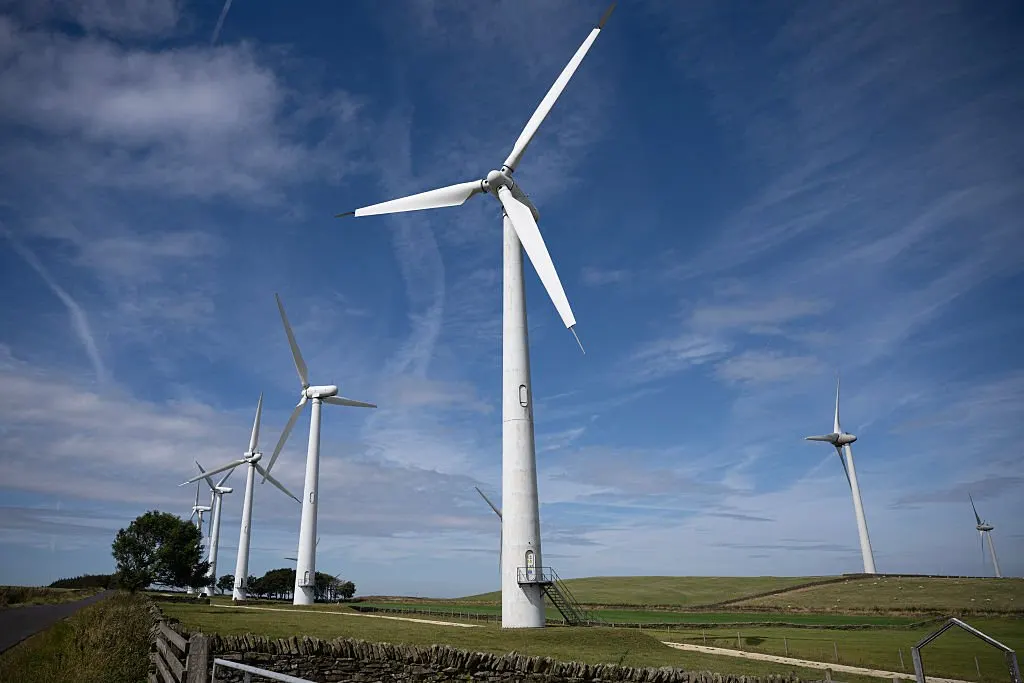
Wind power’s share of UK electricity fell sharply over a week, prompting the National Energy System Operator (Neso) to ask generators to make extra capacity available. Energy industry figures said the episode highlighted the need for dispatchable power, including gas, as Britain seeks to increase its use of weather-dependent renewables.
Wind supplied 28 per cent of electricity on 2 November, but just two per cent on Sunday, according to Future Energy Networks; gas rose from 40 per cent to 69 per cent over the same period. Neso described its electricity margin notice as routine and precautionary, stressing that it did not signal a risk of power cuts. The article also notes the Government’s aim for clean sources to provide 95 per cent of electricity by 2030, and points to green gas as a possible lower-carbon option.
In short
- Wind’s share fell from 28 per cent to two per cent.
- Gas supplied 69 per cent during the low-wind period.
- Neso said its alert did not mean power cuts were at risk.
Steelman: both sides, in good faith
The strongest fair case each way — we don't pick a winner.
The case for
The episode shows why a power system with more weather-dependent renewables needs reliable sources that can respond when wind output falls. Supporters of retaining gas capacity argue that it can help balance supply and demand and reduce the risk of shortages while storage, networks and other low-carbon flexible options are developed; green gas could also lower emissions.
The case against
A week of low wind does not by itself show that gas must remain central to the power system, particularly as the notice was routine and Neso said there was no risk of power cuts. Advocates of faster clean-energy investment argue that storage, stronger interconnectors, flexible demand and other low-carbon sources can provide reliability while helping meet the 2030 target, without locking in reliance on fossil gas.