Sport news and discussion on TalkFuse.
Initiative launched to make UK world leader in women’s sport
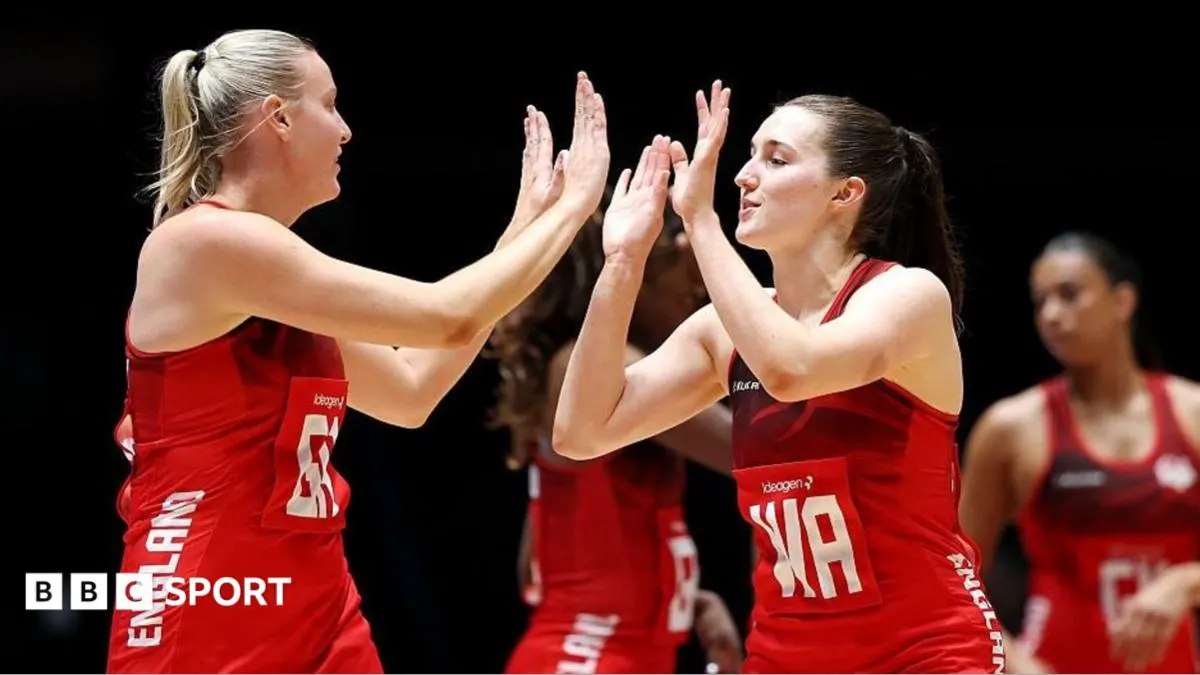
The Equal Sport Project has been launched with backing from organisations including the FA, Team GB and England Netball. It aims to improve gender equality across sport and make the UK a world leader in women’s and girls’ sport, responding to research that suggests substantial gaps remain.
Sporting Insights found fewer than 1% of women working in sport believe gender equality has been achieved, while more than half think they are paid less than men in equivalent roles. The project identifies priorities including equal access to sport for girls at school, greater reach and revenue for women’s sport, and more equal governance; pledges include leadership programmes and work to challenge stereotypes in school sport. The government has also backed the initiative and cited £400m for grassroots facilities, priority access to football pitches for women and girls, and plans to host major events.
In short
- Major sports organisations back a new UK equality initiative.
- Fewer than 1% of women in sport believe equality has been achieved.
- The project targets access, visibility, investment and governance.
Steelman: both sides, in good faith
The strongest fair case each way — we don't pick a winner.
The case for
Supporters argue that persistent gaps in pay, access and leadership show that equal opportunity in sport has not yet been achieved. Coordinated action by sporting bodies and government could widen participation for girls, improve conditions for women working in sport and help women’s competitions attract audiences and investment.
The case against
A cautious case is that broad equality initiatives should show how their pledges will be measured and sustained, rather than assume that programmes or public spending will close the gaps. Decision-makers might also argue that resources should be allocated by evidence of need and likely impact across sport, while taking care that efforts to promote women’s sport do not obscure other barriers to participation.