World news and discussion on TalkFuse.
Democrats could create ‘angry’ ‘single-issue’ voters in 2028 if they remove school choice, CEO warns
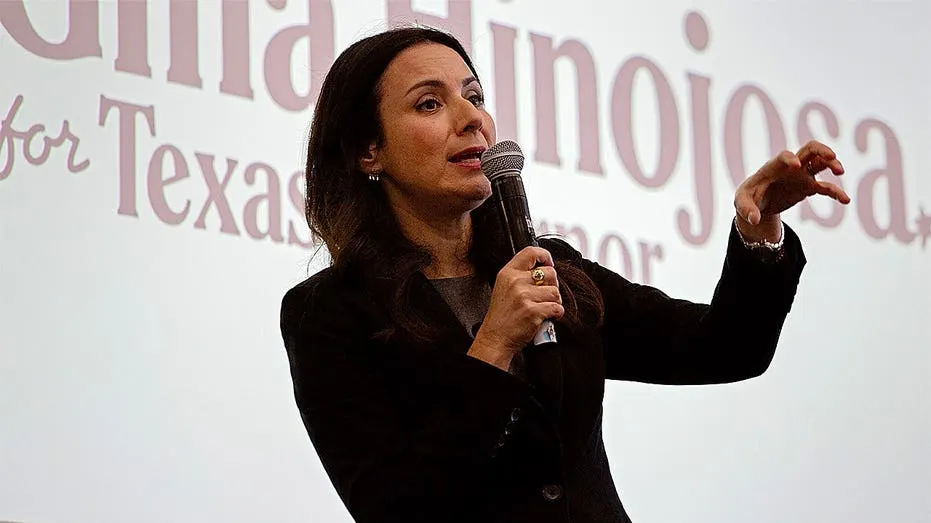
Tommy Schultz, chief executive of the American Federation for Children, warned that Democrats who remove universal school choice programmes could face a voter backlash in 2028. He argued that families whose children are thriving in schools they could not otherwise afford may become “single-issue” voters if those options are taken away.
The warning follows Democratic election gains that have put Republican-backed education policies under pressure in several states. In Texas, governor-elect Gina Hinojosa has pledged to reverse the state’s voucher expansion and dismiss the Texas Education Agency commissioner; she has also said schools will not be closed. The article notes that Houston’s school board voted to close 12 campuses amid declining enrolment, while similar voucher disputes are emerging in Iowa, Georgia and Nevada.
In short
- School choice advocate Tommy Schultz warned of a 2028 voter backlash.
- Texas governor-elect Gina Hinojosa has pledged to reverse voucher expansion.
- Declining enrolment and school closures form part of the wider dispute.
Steelman: both sides, in good faith
The strongest fair case each way — we don't pick a winner.
The case for
Supporters of school choice argue that public funding should follow pupils, giving families—especially those unable to afford private tuition—more control over their children’s education. If programmes are withdrawn, families who rely on them may lose schools they believe are working well for their children and could respond strongly at the ballot box.
The case against
Critics argue that voucher programmes can divert public money from neighbourhood schools, which must continue serving all pupils, and may weaken public education without clear evidence of broad benefit. They may see reversing an expansion as a way to protect shared public provision and accountability, while offering families support through improvements within the public system.
Americas Business Companies Elections Politics World