World news and discussion on TalkFuse.
Trump yields on immigration enforcement
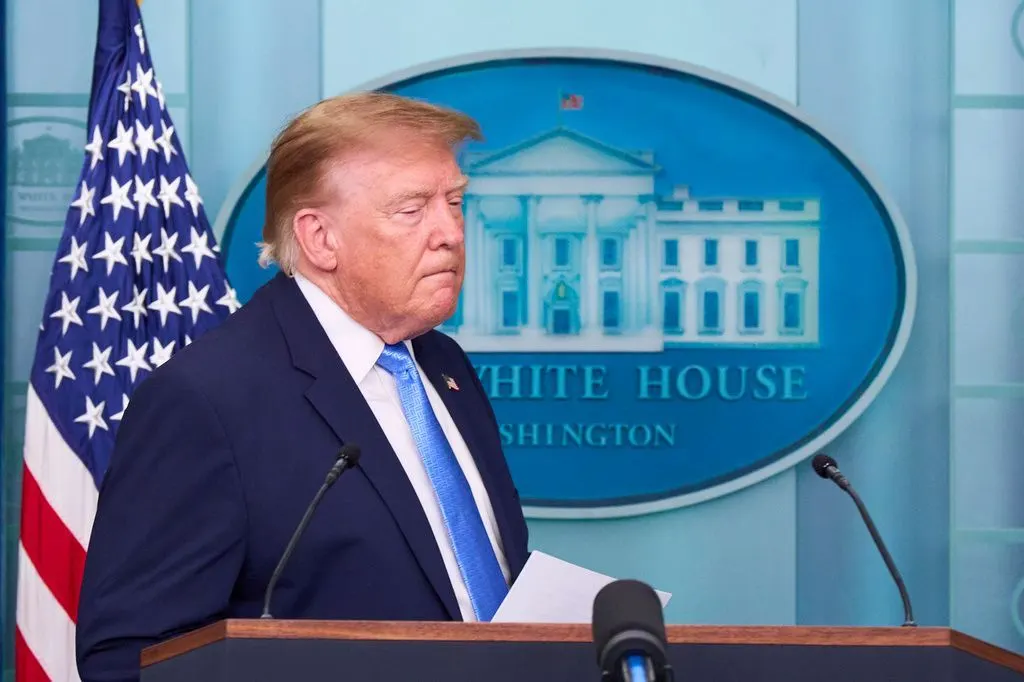
President Donald Trump has suggested his administration’s deportation policy may have been too tough, acknowledging that enforcement against people without other criminal offences cost him political support. The comments mark a possible shift towards working with Democrats on immigration, after their strong midterm gains.
Trump distinguished between closing the US-Mexico border, which he said had succeeded, and removing people already living in the country. He said many voters support deporting those who commit serious crimes, while others think long-term residents with jobs, and sometimes tax payments, should be allowed to stay. The article says Democrats won at least 254 House seats and 54 Senate seats, with some races still undecided; the excerpt ends as Trump begins discussing possible legal status for long-term residents.
In short
- Trump said deportation policy may have been too tough.
- He separated border enforcement from removals inside the country.
- He raised possible legal status for long-term residents.
Steelman: both sides, in good faith
The strongest fair case each way — we don't pick a winner.
The case for
Supporters of a tougher deportation policy argue that immigration laws need credible enforcement, and that removing people who have no legal right to remain can protect the rule of law and deter future unlawful entry. They may also see border control and deportations as necessary to maintain public confidence in the immigration system, while favouring exceptions for people convicted of serious crimes or other clearly defined cases.
The case against
Critics argue that deporting long-term residents who work, pay taxes and have put down roots can divide families and communities, while imposing costs on employers and the wider economy. They may favour a path to legal status for people with deep ties and no serious criminal record, and argue that enforcement should focus on genuine public safety threats rather than immigration status alone.
Explained simply
The United States has long debated how to control immigration and what to do about people living in the country without legal permission. The president oversees federal immigration enforcement, while Congress makes immigration laws and can influence policy through funding and legislation.
Donald Trump has backed tougher enforcement, including deportations, but voters differ over whether people without serious criminal convictions should also be removed. Democrats, who gained seats in the midterm elections, may press for changes, while any lasting change would involve negotiations between the parties.
Americas Government Politics World