Politics news and discussion on TalkFuse.
Opposition seeks new Knesset speaker to challenge Netanyahu’s hold on power
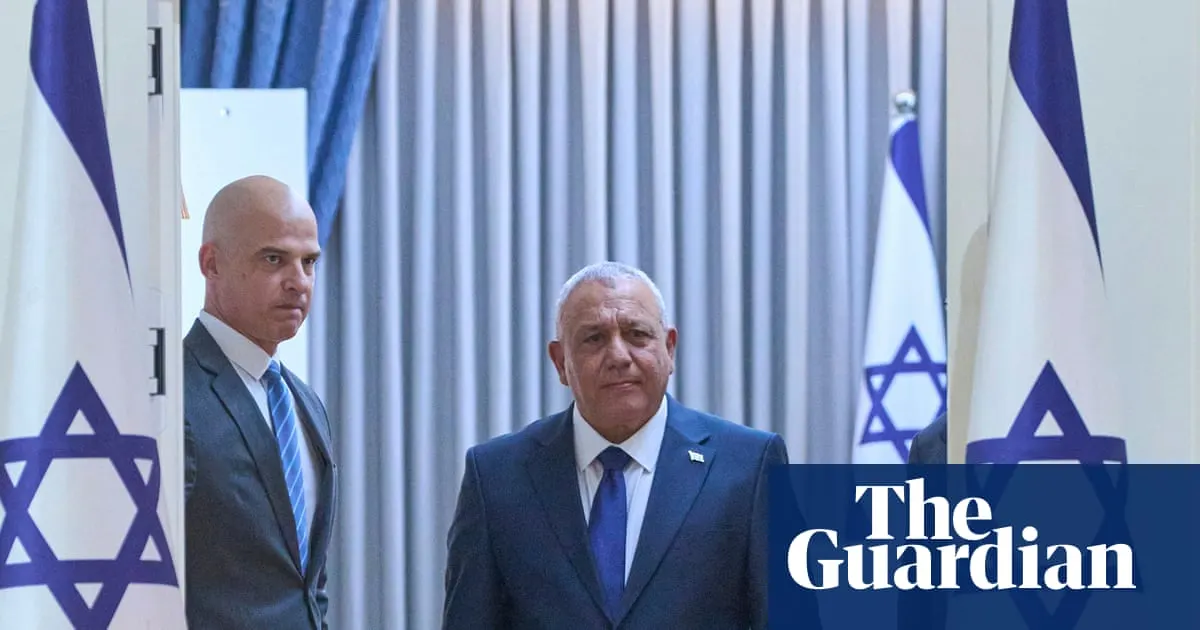
Israel’s new parliament will be sworn in with opposition parties seeking to replace Knesset speaker Amir Ohana, a close ally of Benjamin Netanyahu. The speaker controls the legislature’s agenda, so changing the role could give opponents a route to challenge the prime minister even as they struggle to form a government.
The opposition bloc holds 67 of the Knesset’s 120 seats, enough to choose a speaker, and former military chief Gadi Eisenkot may take the role or nominate someone from his Yashar party. But coalition talks are complicated by Jewish-Israeli parties’ refusal to govern with Palestinian-led parties, which hold 19 seats and whose support the bloc needs to outnumber Netanyahu’s coalition. More than 160 former security officials have warned of possible disruption at the swearing-in, while Eisenkot has said parties will need to compromise.
In short
- Opposition parties aim to replace Netanyahu ally Amir Ohana as Knesset speaker.
- The bloc has 67 of 120 seats but is divided over coalition partners.
- Former security officials warn of possible disruption at parliament’s swearing-in.
Steelman: both sides, in good faith
The strongest fair case each way — we don't pick a winner.
The case for
Replacing the speaker could give the opposition a legitimate parliamentary means to scrutinise Netanyahu’s government and shape the legislature’s agenda, especially while coalition talks remain unresolved. With 67 seats, the bloc has the numbers to choose a speaker, and supporters may see the move as a way to ensure parliament can hold the prospective government to account.
The case against
The speaker’s post is meant to serve the Knesset as an institution, and using it chiefly to challenge a prime minister’s hold on power could deepen partisan conflict before a government has even been formed. Opponents may also argue that the plan relies on support from Palestinian-led parties that some Jewish-Israeli parties refuse to accept, making compromise harder and adding to concerns about disruption at the swearing-in.
Explained simply
Israel’s parliament is called the Knesset, and its speaker oversees debates and helps decide which matters come before lawmakers. The speaker is chosen by members of parliament, so the post can shape how the legislature operates.
Benjamin Netanyahu is the prime minister, while Gadi Eisenkot, a former military chief, is a leading figure in the opposition. The Knesset has 120 seats; opposition parties can choose a speaker with their numbers, but forming a governing majority is a separate challenge because some parties refuse to work with Palestinian-led parties.
Control of the speaker’s role could affect how easily lawmakers can bring proposals or challenges to a vote. The wider dispute matters because the parties’ ability to cooperate will determine who can govern and how parliament functions.
Government Middle East Politics World
Read the full article at the source →
Originally published by The Guardian as “New Knesset speaker could be key to ousting Netanyahu as Israel’s PM”.