World news and discussion on TalkFuse.
EU manufacturers may concede to Chinese rivals by 2030, warns chamber chief
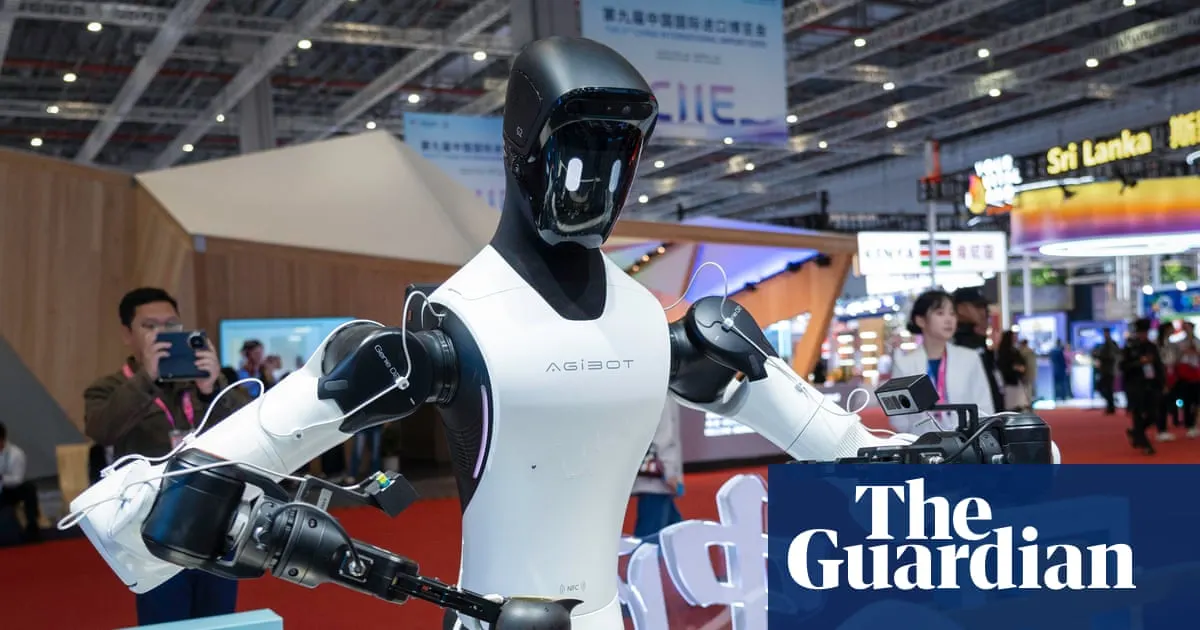
Jens Eskelund, head of the European Union Chamber of Commerce in China, warns that European manufacturers may stop trying to compete with Chinese firms by 2030 if current trends continue. He says Europe may need to let its companies join Chinese supply chains, as Chinese exports and competition put pressure on European industry and raise concerns about jobs and economic independence.
Eskelund cited a Goldman Sachs forecast that Chinese exports could reduce EU GDP by 0.5% and Germany’s by as much as 0.9% by the end of the decade. The article points to pressure on carmakers, chemicals and renewable energy: BMW reported a 22% fall in sales in China in the first nine months of the year and issued a second profit warning. Eskelund says China’s drive to replace imports has been signalled in its industrial plans since 2015.
In short
- Europe’s manufacturers may struggle to compete with Chinese firms by 2030.
- A forecast puts the potential EU GDP impact at 0.5%.
- Eskelund argues Europe may need to reconsider its approach to Chinese supply chains.
Steelman: both sides, in good faith
The strongest fair case each way — we don't pick a winner.
The case for
Joining Chinese supply chains could help European manufacturers retain access to the world’s largest industrial ecosystem, reduce costs and keep some production, jobs and expertise in Europe. If Chinese firms continue to gain ground, cooperation may be a practical way to sustain European companies and influence how supply chains develop, rather than withdrawing from markets they can no longer serve competitively.
The case against
Deeper reliance on Chinese supply chains could leave Europe more exposed to decisions made abroad and weaken its capacity to produce strategically important goods. Supporters of a tougher competitive approach may argue that Europe should invest in its own industries, address cost and innovation gaps, and protect a diverse manufacturing base, even if that requires short-term public spending or adjustment.
Explained simply
The European Union is a group of 27 countries whose businesses trade closely with one another and compete in global markets. Germany is a major manufacturing economy, with important car and chemical industries, while European firms also make equipment used in renewable energy.
China has spent years building up domestic industries and reducing reliance on imported goods. Its manufacturers now compete with European companies in areas including cars, chemicals and clean-energy technology, while Chinese-made goods are also sold in Europe.
The competition matters because manufacturing supports jobs and exports, and links countries through supply chains—the networks of firms that provide parts and materials. Greater reliance on Chinese suppliers could affect how European companies operate and how much control Europe has over production.
Read the full article at the source →
Originally published by The Guardian as “EU manufacturers could give up on competing with China by 2030, warns commerce chief”.