Business news and discussion on TalkFuse.
Britons stockpiling water and food tins but not panic buying, figures show
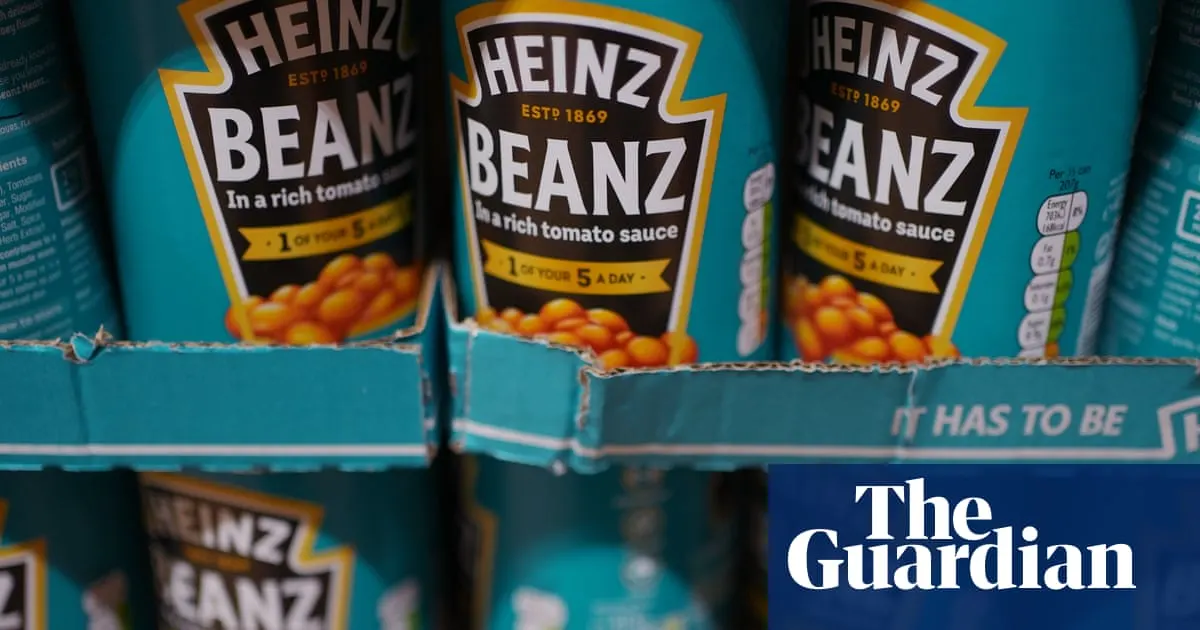
After the government launched its Be Ready campaign, shoppers bought more essentials for possible emergencies, including water, tinned food and hand sanitiser. Retail analysts said the rise reflected more households adding recommended items to their regular shops, rather than panic buying.
In the following 10 days, hand sanitiser sales rose 83% year on year, bottled water 67% and tinned and jarred goods 37%. Daily purchases of tinned meat increased by 43%, or about 400,000 shoppers, while pack sizes stayed around 500g. Separate Barclays research found 27% of people were stockpiling or considering it; 31% of 18- to 34-year-olds said they had enough food and water for three days, compared with 53% of people aged 55 and over.
In short
- Emergency essentials sales rose after the Be Ready campaign.
- Analysts said shoppers were not panic buying.
- Younger adults were less likely to have three days’ supplies.
Explained simply
The UK government’s Be Ready campaign gives households advice on preparing for emergencies, including keeping basic supplies at home. These can help people manage if normal services or access to shops are disrupted.
The advice has prompted interest in items such as drinking water, tinned food and hand sanitiser. Retail analysts distinguish adding a few recommended supplies to a regular shop from panic buying, which can quickly empty shelves.
Preparedness varies between age groups, according to Barclays research. Having supplies for several days may help households cope during an emergency, while widespread buying can affect what is available in shops.
Business Culture Elections Food Government Markets Politics Software Technology UK World