Politics news and discussion on TalkFuse.
GOP senator withholds support for Thune as leadership showdown looms
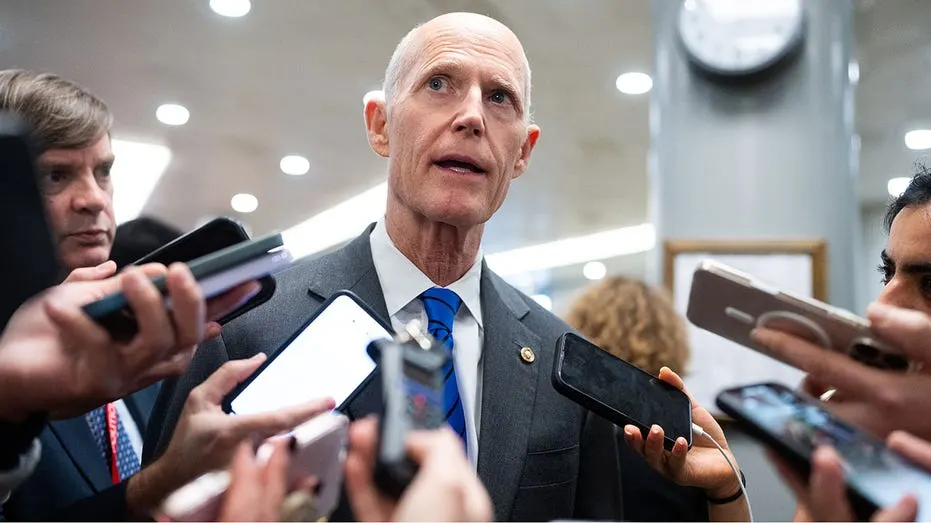
Senator Rick Scott has not committed to backing John Thune for another term as Senate Republican leader, saying candidates should first explain how they would advance the party’s priorities. His position comes as some Republicans seek to delay leadership elections and review the party’s poor midterm results.
Democrats won a 54-seat Senate majority, with races in Mississippi and Alaska still unresolved, leaving Republicans limited time to act before Democrats take control in January. Scott wants a clear plan on balancing the budget and passing measures including a lawmakers’ stock trading ban, permitting reform, defence authorisation and the SAVE America Act. Thune says he will run and is currently unopposed; Scott says he does not intend to stand.
In short
- Scott has not yet pledged support for Thune.
- He wants candidates to set out a policy plan first.
- Some Republicans are calling for a leadership vote delay.
Steelman: both sides, in good faith
The strongest fair case each way — we don't pick a winner.
The case for
Scott’s position can be seen as responsible scrutiny: after poor midterm results and with Democrats about to take control, Republicans should hear a clear account of how their leader would advance the party’s priorities. Delaying a leadership vote could allow time to assess what went wrong and compare plans on issues such as the budget, stock trading rules and permitting reform.
The case against
Thune’s supporters can argue that holding a leadership election promptly would give Republicans clarity and let them organise for the next session, rather than prolonging uncertainty after the election. With Thune already running unopposed and Scott not seeking the role, withholding support without an alternative candidate or a stated timetable could complicate that transition without changing who leads.
Explained simply
The Senate is the upper chamber of the US Congress, where senators help write laws and approve government spending. The party with the most seats controls the chamber’s agenda and chooses a leader to coordinate its members and represent them in negotiations.
John Thune is the Republican leader in the Senate, while Rick Scott is a Republican senator from Florida. Republicans are due to lose control of the chamber in January after Democrats won a majority, so their next leader will have to organise the party as it moves into opposition.
The leadership choice matters because it can shape which proposals Republicans prioritise and how they work with Democrats. The issues Scott has raised include the federal budget, restrictions on lawmakers trading shares, changes to rules for approving projects, defence policy and election legislation.