Technology news and discussion on TalkFuse.
David Jones administrators reviewed finances months before collapse and discussed restructuring
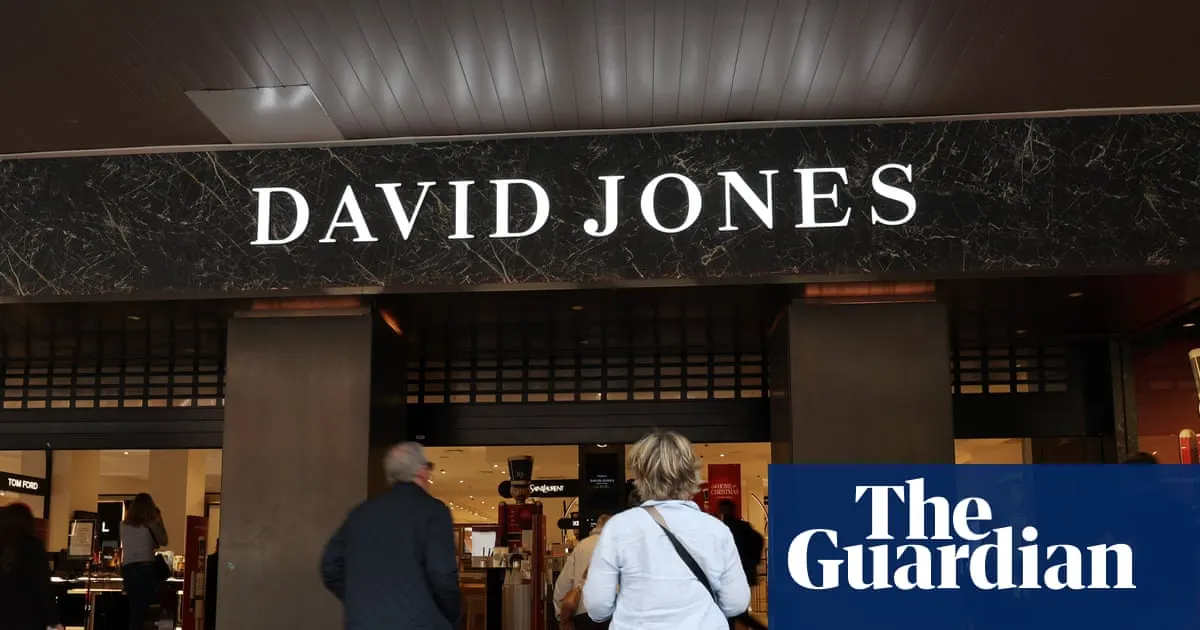
David Jones’s administrators say they examined some of the retailer’s financial information in April 2026 and discussed possible restructuring with its group director and largest lender in July. The timeline raises questions about why the department store continued buying products and fell months behind on payments before entering administration last Thursday, leaving suppliers and gift-voucher holders facing possible losses.
Administrator McGrathNicol said it did not advise David Jones directly or assess its ability to pay debts, and that it was not asked to help plan voluntary administration until 22 October. It received $1m from the group on the day before the collapse and expects access to a further $3m to $4m. Creditors will meet on 17 November; McGrathNicol plans to seek a delay to the usual follow-up meeting until early April 2027 while it works to sell the business or raise funds.
In short
- Administrators reviewed David Jones finances in April.
- Restructuring was discussed with its lender in July.
- Creditors meet on 17 November as administrators seek more time.
Steelman: both sides, in good faith
The strongest fair case each way — we don't pick a winner.
The case for
The timeline may warrant scrutiny because administrators reviewed financial information months before the collapse and discussed restructuring with senior figures and the largest lender, while the retailer continued ordering stock and fell behind on payments. Suppliers and gift-voucher holders have a legitimate interest in understanding whether warning signs could have prompted earlier action, and in whether the proposed delay to the next creditors’ meeting gives them enough timely information.
The case against
The reported contact does not establish that the administrators knew David Jones could not pay its debts or were responsible for its decisions: McGrathNicol says it did not assess solvency, advise the retailer directly, or receive a request to plan voluntary administration until 22 October. Reviewing information and discussing restructuring with a lender can be part of exploring options, while allowing time to sell the business or raise funds may protect more value for creditors than rushing the process.
Explained simply
David Jones is an Australian department-store chain that sells clothing, homewares and other goods. Its suppliers provide stock and are paid by the retailer, while customers can also hold gift vouchers that may become difficult to use if the business cannot continue trading.
When a company enters administration, an independent administrator examines its finances and considers whether it can be restructured, sold or should close. The process affects creditors, including suppliers owed money, and can leave customers uncertain about outstanding vouchers.
McGrathNicol is the firm appointed to handle David Jones’s administration, and the retailer’s largest lender is a major source of finance. Their roles matter because decisions about funding, restructuring or a sale can affect how much creditors recover and whether the business continues.
Read the full article at the source →
Originally published by The Guardian as “David Jones’s finances were reviewed and restructuring flagged months before it fell into administration”.