Technology news and discussion on TalkFuse.
Royal Navy commissions first autonomous boat squadron for front-line service
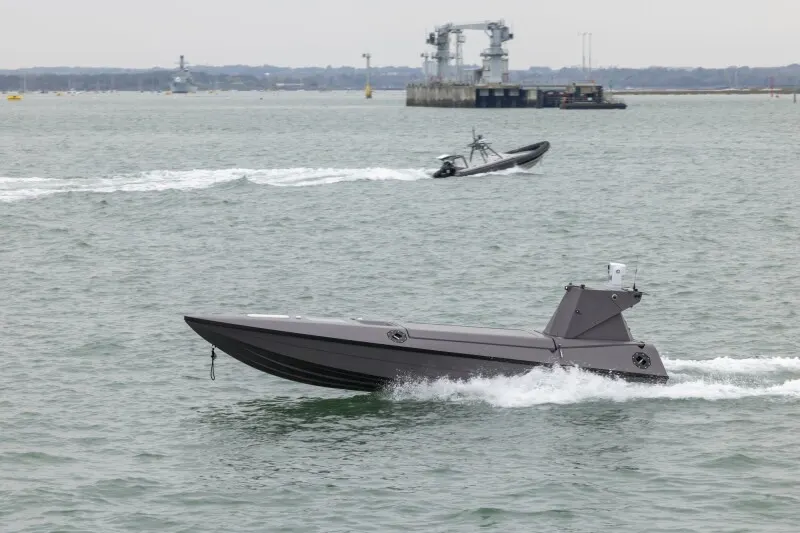
The Royal Navy has put its first autonomous boat squadron into front-line service, marking a move from trials to operational use of uncrewed surface vessels. The squadron is intended to build experience with these systems and help the Navy expand its capabilities as part of its “Hybrid Navy” strategy.
The 1st Autonomous Squadron entered service in Portsmouth on 5 November and has about 180 personnel, organised to support round-the-clock operations. It replaces the experimental Project Beehive and operates boats including Kraken Technology Group’s K3 Scout, which can travel up to 650 nautical miles, and SYOS Aerospace’s Rattler, with a range of up to 950 nautical miles. The squadron will test new vessel types and work alongside other forces; the Navy has also recently launched strike and surveillance drones from an aircraft carrier.
In short
- The Royal Navy has commissioned its first autonomous boat squadron.
- Around 180 personnel will operate the squadron around the clock.
- Its work supports the Navy’s wider “Hybrid Navy” strategy.
Explained simply
Uncrewed surface vessels are boats that can operate without a crew aboard, either remotely or with varying degrees of autonomy. Navies have tested them for tasks such as surveillance and patrol, but putting them into regular service brings new questions about how they fit into operations alongside crewed ships.
The Royal Navy is the United Kingdom’s naval force, and Portsmouth is one of its main bases. Its Hybrid Navy strategy aims to combine traditional ships and personnel with newer uncrewed systems; the squadron builds on earlier trials and is intended to develop experience with operating these boats. That matters because such systems could extend the Navy’s reach and options, while requiring changes to training, command and coordination with other forces.
Read the full article at the source →
Originally published by The Register as “Royal Navy stands up first autonomous boat squadron”.