Culture news and discussion on TalkFuse.
Oxford returns remains of 39 Naga people to Nagaland
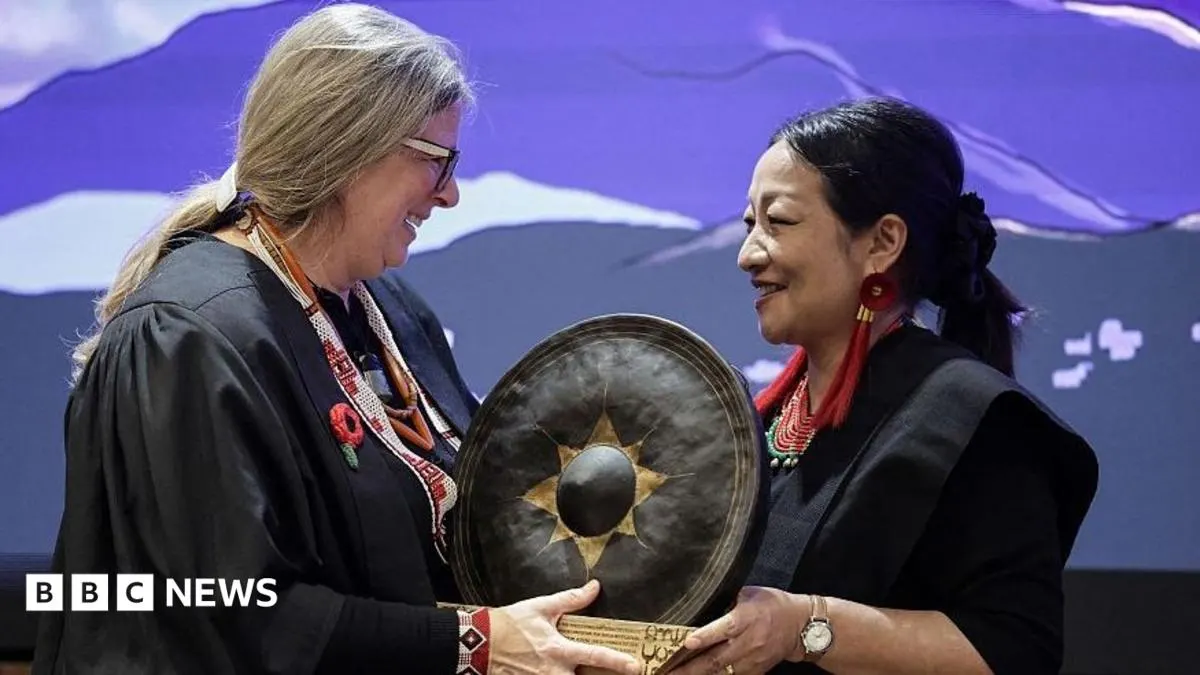
The University of Oxford has returned the remains of 39 Naga people to a delegation from Nagaland, India, after they were taken during British colonial rule. The handover at the Pitt Rivers Museum marks a step towards addressing the colonial collection of human remains and returning them to their communities.
Most of the remains are skulls and are expected to be buried beneath a joint memorial in Nagaland. They had been displayed for decades before being removed from public view in 2020; the museum holds more than 6,000 objects associated with Naga culture, including 219 items listed as human remains. The return followed a formal request by Naga representatives in 2025, and tribal leaders have questioned whether the remains were freely given.
In short
- Oxford returned 39 ancestral remains to Nagaland.
- Most are skulls taken during British colonial rule.
- Naga leaders plan a joint memorial burial.
Steelman: both sides, in good faith
The strongest fair case each way — we don't pick a winner.
The case for
Returning the remains recognises the dignity of the 39 Naga people and the community’s right to decide how their ancestors are treated. Their collection under colonial rule, and uncertainty over whether they were freely given, make repatriation a meaningful step towards addressing that history and enabling burial according to Naga wishes.
The case against
A thoughtful case for caution is that museums also have duties to preserve collections and support research, and decisions about remains can raise questions about evidence, consent and who is authorised to speak for a community. A careful process could help ensure the return reflects the wishes of the relevant Naga groups while documenting the remains’ history and addressing the wider collection responsibly.
Explained simply
Nagaland is a state in north-east India, home to Naga communities with distinct tribal identities and traditions. During British colonial rule, human remains and cultural objects were taken from the region and added to collections in Britain, including at Oxford’s Pitt Rivers Museum.
Museums and communities have increasingly debated how institutions should address collections made in colonial times. The questions include how remains were obtained, who should decide where they belong, and how they should be treated in keeping with community traditions.
Read the full article at the source →
Originally published by BBC World as “Oxford museum returns ancestral Naga skulls to India”.