World news and discussion on TalkFuse.
Trump signals surprising approach to choosing his successor as GOP’s 2028 field grows
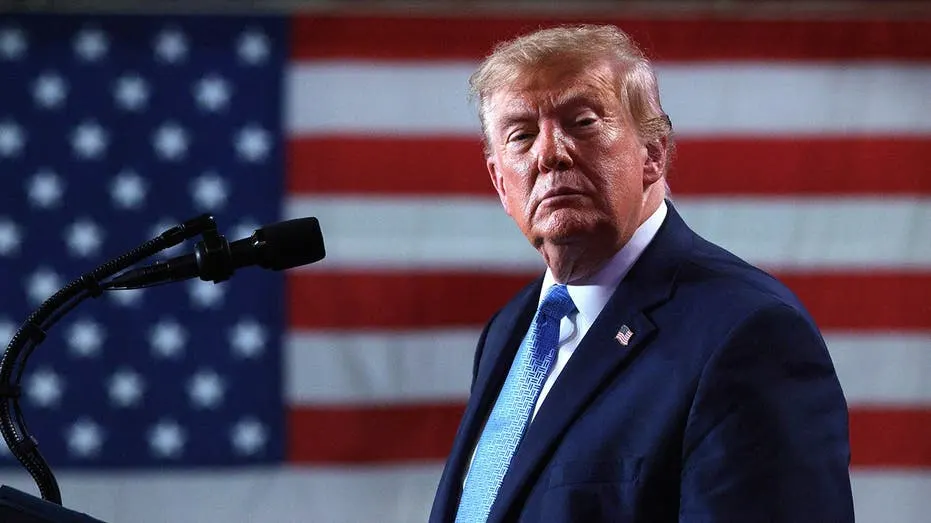
President Donald Trump says he may choose not to endorse a candidate in the Republican presidential primary for 2028, leaving the party’s next nominee to emerge from a competitive field. His comments come as Republicans look to recover from losing control of both the House and Senate in the midterm elections, and debate the party’s direction after Trump.
Vice-President JD Vance is widely seen as an early frontrunner and leads some initial polls, but the midterm losses may make the contest less certain. Secretary of State Marco Rubio has rejected questions about a 2028 campaign and has said he would support Vance; Senator Ted Cruz and Florida Governor Ron DeSantis are also among those drawing attention. An Iowa-based Republican strategist expects candidates to test their messages with voters in Iowa, New Hampshire and South Carolina.
In short
- Trump may stay out of the 2028 Republican primary.
- Vance is an early frontrunner, but the race may be competitive.
- Rubio, Cruz and DeSantis are also drawing attention.
Steelman: both sides, in good faith
The strongest fair case each way — we don't pick a winner.
The case for
A competitive primary could let Republican voters choose the party’s direction after Trump rather than have the outcome shaped by a presidential endorsement. With midterm losses raising questions about the party’s appeal, several candidates testing their messages in early-voting states could encourage debate and help identify a nominee who can unite the party and broaden its support.
The case against
Trump’s endorsement could give voters a useful signal about which candidate best represents the party and has the experience and support to lead it. Leaving the field entirely open may intensify factional rivalries, consume resources in a prolonged primary and make it harder for Republicans to unite behind their nominee.