World news and discussion on TalkFuse.
Formula One pushes ahead for season conclusion in Middle East as Imola stood down
Developing story first seen 2 hours ago
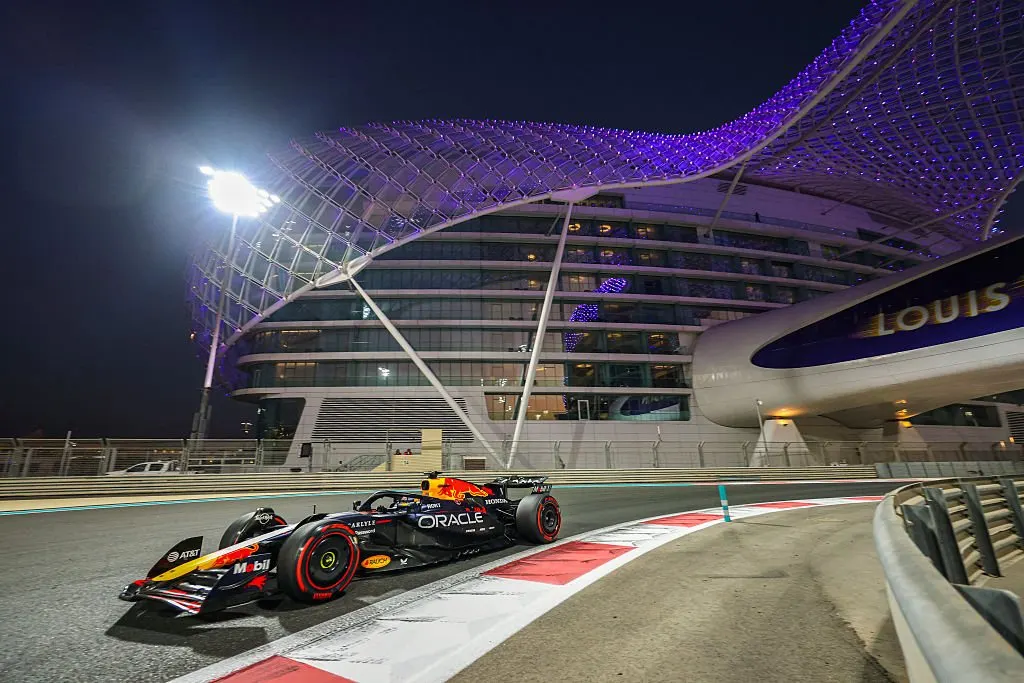
Formula One has told Imola to stop preparing as a possible replacement venue and is proceeding with the season’s final two races in Qatar and Abu Dhabi. The decision matters because conflict and missile strikes continue in the wider region, although the championship says it will withdraw the events if conditions worsen and safety remains its priority.
The Qatar Grand Prix is scheduled for 27 to 29 November, followed by Abu Dhabi from 4 to 6 December. Formula One says travel advice and insurance cover are unchanged, activity in both host countries has returned to normal, and all teams support the plan. Earlier this year, the Saudi Arabian race was cancelled and Bahrain’s event was postponed before being relocated to Malaysia; both Gulf races also have significant commercial ties to the sport.
- Sources
- 2
- Outlets
- 2
- Left · Centre · Right
- 0 · 1 · 1
In short
- Imola has stood down as a possible replacement venue.
- Formula One plans to race in Qatar and Abu Dhabi.
- The championship says it will reconsider if regional conditions worsen.
How this story developed
- 54 minutes ago Formula One plans to hold the season’s final two races in Qatar and Abu Dhabi despite continuing conflict in the region, while keeping the option to cancel if conditions worsen.
- 59 minutes ago Formula One has told Imola to stop preparing as a possible replacement venue and is proceeding with the season’s final two races in Qatar and Abu Dhabi.
Full account
Formula One plans to hold the season’s final two rounds in the Middle East, with Qatar scheduled for 27–29 November and Abu Dhabi for 4–6 December. Italy’s Imola circuit, which had been kept ready as a possible alternative, has been told to stop preparing. The decision leaves the calendar at 23 rounds.
The championship says it remains prepared to cancel if the security situation deteriorates, and that the safety of everyone involved comes first. It points to conditions in Qatar and Abu Dhabi having remained stable in recent months, alongside unchanged travel advice, valid insurance and a return to normal commercial activity. The teams have been told of the plan and, according to both reports, support it.
The wider region remains unsettled. The conflict has already disrupted the calendar: the Saudi Arabian race was dropped, while Bahrain’s round was postponed and moved to Malaysia’s Sepang circuit. The reports also describe continuing security concerns around the Gulf, including attacks on Saudi Arabia by Yemen’s Houthi rebels. Formula One’s decision therefore depends on circumstances holding steady through the events.
Imola was a contingency should it become unsafe to race in the Gulf. One report says the sport has a difficult balance to strike given the substantial hosting fees and commercial ties involved; the other highlights the sporting consequences of completing the schedule, including the remaining Formula Two races being decided on track. The FIA president welcomed the planned conclusion, while the option of cancellation remains open if the situation worsens.
Where outlets differ
From the full account, which is AI-written from the sources:
The first report stresses unease among some senior figures about travelling to the region and the commercial considerations behind the decision. The second says all 11 teams support the plan and focuses on the calendar and championship implications.
The second report gives more detail on Imola’s role as a fallback, the FIA president’s response and the effect on Formula Two. The first instead sets out the earlier Saudi and Bahrain disruptions and regional security concerns.
The reports give slightly different descriptions of the schedule: the first dates Qatar as 27–29 November and Abu Dhabi as 4–6 December; the second refers to Qatar on 29 November and Abu Dhabi the following weekend.
Right-leaning outlets 1
Only here: formula, pushes, ahead, conclusion, imola
Every side used: season, middle, east
Headline columns compared word for word; nothing in them is AI-written.
Steelman: both sides, in good faith
The strongest fair case each way — we don't pick a winner.
The case for
Holding the races could be reasonable if security assessments, travel advice and insurance cover remain unchanged and teams support the plan. Proceeding would honour commitments to host countries, teams and fans, while avoiding disruption to the season; keeping cancellation under review allows the sport to respond if conditions deteriorate.
The case against
The wider region remains volatile, so conditions could change quickly and the consequences of misjudging risk could be serious for drivers, staff and spectators. Commercial commitments and the difficulty of rearranging the calendar should not outweigh a cautious approach; standing down now could avoid exposing people to uncertainty and reduce the chance of a last-minute cancellation.
Explained simply
Formula One, or F1, is an international motor-racing championship made up of races known as Grands Prix. Qatar and Abu Dhabi are due to host the final two races of this season, after earlier plans for races in Saudi Arabia and Bahrain were disrupted.
The races take place amid conflict and missile strikes elsewhere in the wider Middle East. F1 says it will keep assessing conditions and can withdraw the events if safety risks increase; the races also have commercial ties to the championship.
Coverage · 2 sources
Bias meters
From 2 rated sources.
Americas Entertainment Europe Middle East TV World