Science news and discussion on TalkFuse.
High oil prices have led to a dip in global carbon emissions
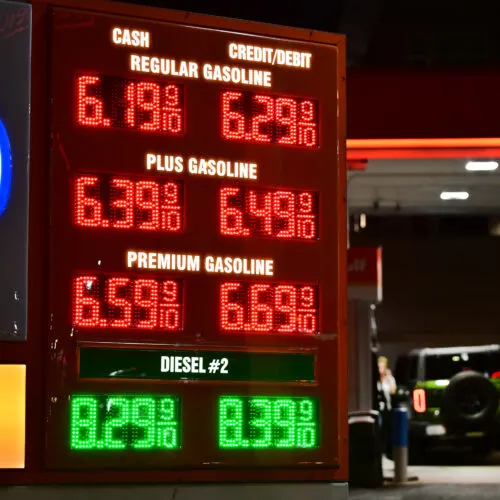
Global fossil fuel emissions are expected to fall by about 0.4 per cent in 2026, a reversal of recent increases. Researchers say the dip is largely linked to high oil prices following the war in Iran, so it does not yet signal a lasting peak in emissions.
Oil emissions are forecast to drop 1.9 per cent and gas emissions 0.3 per cent, while coal emissions rise 0.6 per cent. Energy demand still grew, but electric vehicles and new wind and solar generation met nearly 70 per cent of that growth; researchers estimate emissions would otherwise keep rising, and expect the upward trend to resume.
In short
- Global fossil fuel emissions may fall 0.4 per cent in 2026.
- High oil prices are a key reason for the temporary dip.
- Researchers expect emissions to rise again without faster clean technology uptake.
Steelman: both sides, in good faith
The strongest fair case each way — we don't pick a winner.
The case for
High oil prices can curb fuel use and encourage households and businesses to switch to more efficient vehicles and cleaner energy, while the rapid growth of electric vehicles, wind and solar is already meeting much of rising energy demand. A temporary fall in emissions shows that policy and market changes can reduce pollution even as economies grow.
The case against
A price-driven dip may be short-lived and uneven, especially while coal emissions continue to rise and overall energy demand keeps growing. If prices ease, oil use and emissions could rebound; treating this as lasting progress risks obscuring the need for durable policies and investment that sustain emissions cuts.
Explained simply
Carbon dioxide is released when coal, oil and gas are burned for energy, and it builds up in the atmosphere, contributing to climate change. Governments and researchers track these emissions to understand whether the world is moving towards cleaner energy or remains reliant on fossil fuels.
Oil, gas and coal are used for transport, heating and electricity, but they do not all respond to the same pressures. Higher oil prices can encourage people and businesses to use less oil or switch to other options, while demand for coal or gas may follow different patterns.
Electric vehicles, wind and solar power can meet some energy needs without burning fossil fuels. How quickly they replace oil, gas and coal matters for the longer-term direction of emissions.