World news and discussion on TalkFuse.
Ukraine takes step toward joining European payments network with anti-graft law
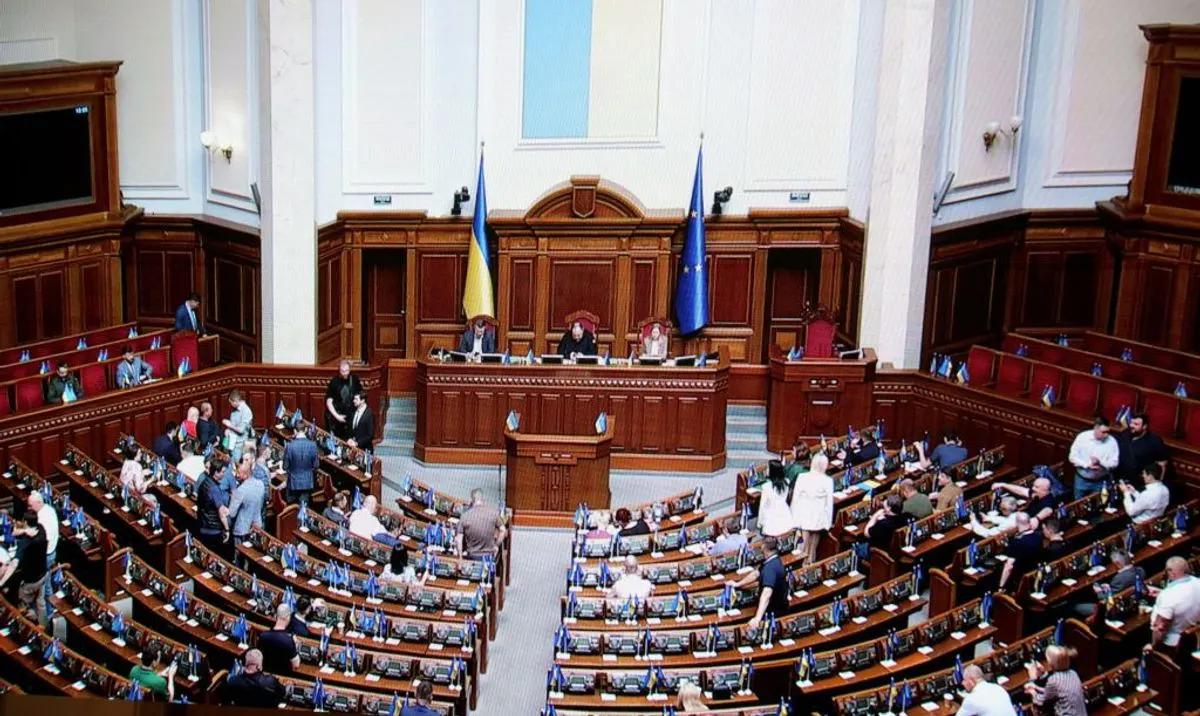
Ukraine’s parliament has backed an anti-money laundering bill in its first reading, a step towards joining the Single Euro Payments Area (SEPA), which enables faster, cheaper euro transfers. The move would bring Ukrainian rules closer to EU standards, but the bill must still pass a second reading and receive President Volodymyr Zelensky’s signature.
The bill received 249 votes and would establish a register showing which banks hold a person’s accounts or safe-deposit boxes, without revealing balances, transactions or contents. Access would initially be limited to three agencies: the Bureau of Economic Security, the National Agency for the Prevention of Corruption and the Asset Recovery and Management Agency. Ukraine aims to secure approval by the end of December; joining SEPA would allow domestic-style euro transfers to 41 countries and could save Ukrainians Hr 10 billion ($220 million) a year.
In short
- Parliament backed the bill in its first reading with 249 votes.
- Ukraine needs further approval to pursue SEPA membership.
- SEPA could save Ukrainians Hr 10 billion annually.
Steelman: both sides, in good faith
The strongest fair case each way — we don't pick a winner.
The case for
Supporters can argue that a limited register would help authorities trace assets and investigate money laundering and corruption, while bringing Ukraine closer to EU standards needed for SEPA membership. Faster, cheaper euro transfers could also benefit households and businesses, with safeguards in the bill limiting access to three agencies and excluding balances and transaction details.
The case against
Critics can argue that even a register revealing where people hold accounts or safe-deposit boxes creates sensitive financial data that could be misused or accessed improperly. They may question whether the proposed agency access and safeguards are sufficient, and whether the expected gains from SEPA justify creating a new privacy risk before the bill’s oversight and protections are fully established.
Explained simply
SEPA is the European system for euro payments, allowing transfers between participating countries to work more like domestic bank payments. Ukraine wants to join, which could make euro transfers faster and cheaper for people and businesses.
Joining requires Ukraine to align some financial rules with European standards. The proposed law would let three government agencies see which banks hold a person’s accounts or safe-deposit boxes, but not their balances, transactions or contents. The bill still needs further parliamentary approval and the president’s signature.
The agencies named are the Bureau of Economic Security, the National Agency for the Prevention of Corruption and the Asset Recovery and Management Agency. The change matters both for efforts to detect financial crime and for Ukraine’s aim of closer economic links with Europe.