Technology news and discussion on TalkFuse.
Refrigeration cyberattacks raise fears for routers and household appliances
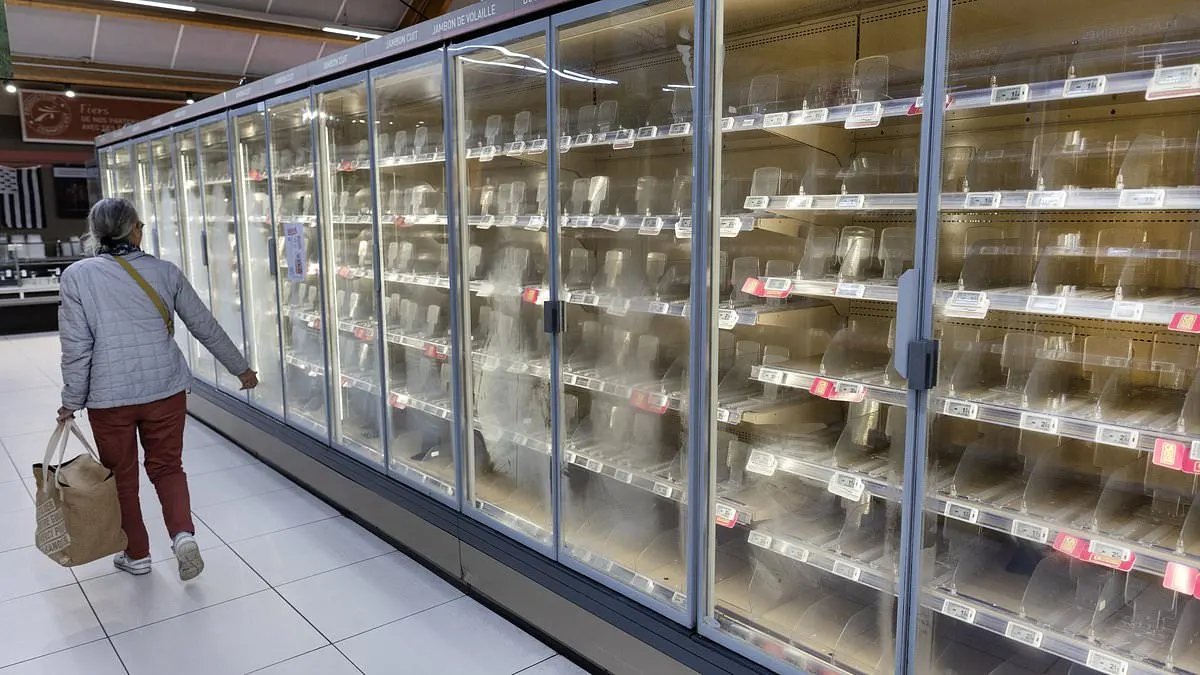
The EU’s cybersecurity chief has warned that attacks on commercial refrigeration systems could foreshadow attempts to hack routers and household appliances. He said digital security must be built into everyday services, while acknowledging that preventing attacks requires investment.
In October, hackers changed refrigeration controls in hundreds of establishments, raising temperatures to 36C; some units caught fire and large amounts of food were discarded. A second wave this month affected more than 100 sites across Europe, including refrigerators at French blood banks. French investigators have linked the attack’s methods and technical clues to an Iranian cyber unit, but the investigation is ongoing and Iran has not commented.
In short
- EU chief warns household devices could be future cyber targets.
- October hacks spoiled food and caused some refrigerators to catch fire.
- A later wave affected more than 100 European sites.
Steelman: both sides, in good faith
The strongest fair case each way — we don't pick a winner.
The case for
The attacks show how connected devices can turn a cyber incident into a direct risk to health, safety and essential supplies. Building security into routers and appliances could reduce that risk, and the cost of prevention may be justified by the harm and disruption avoided.
The case against
Stronger security requirements and investment could raise costs for manufacturers, service providers and consumers, while diverting resources from other priorities. The refrigeration attacks are serious, but the investigation is ongoing, so policymakers should avoid treating them as proof that broader controls are necessary before the threat and proportionate response are clearer.
Explained simply
Commercial refrigeration systems use connected computers to monitor temperatures and control equipment in places such as shops, restaurants and food stores. When hackers interfere with those controls, food can spoil and equipment can be damaged; refrigerators at blood banks also help keep blood supplies within safe temperature limits.
The EU’s cybersecurity chief is responsible for helping coordinate the bloc’s response to digital threats. French investigators have linked technical clues from the attacks to an Iranian cyber unit, but their inquiry is continuing, and the attribution has not been confirmed by Iran.
The concern is that attacks on connected equipment could extend to devices used at home, including routers and household appliances. Protecting these systems can require extra investment in security as more everyday services rely on internet-connected technology.
Cybersecurity Europe Technology World
Read the full article at the source →
Originally published by Daily Mail as “Cyber hackers who brought chaos to Europe with fridge freezer attack could be targeting home appliances next”.