Culture news and discussion on TalkFuse.
Columnist questions Russell Brand’s public displays of faith during trial
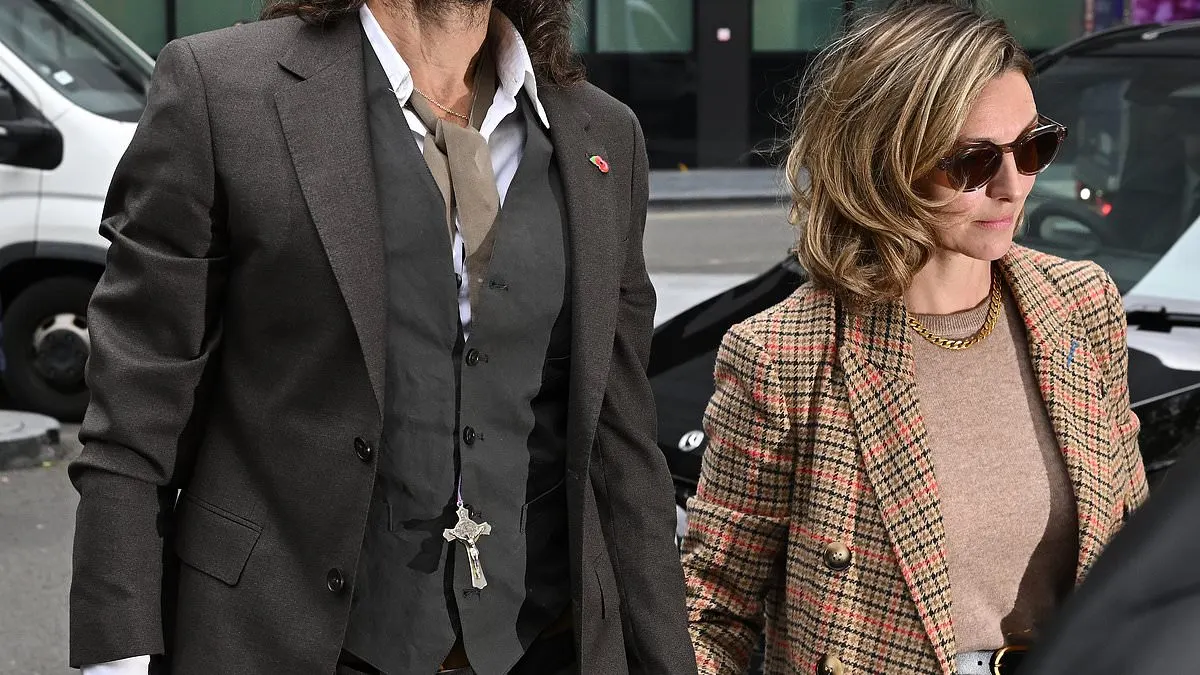
Columnist Amanda Platell questions whether Russell Brand’s public displays of Christian faith during his trial were sincere or intended to improve his reputation. She argues that his courtroom prayers, Bible and crucifix appeared at odds with his denial of the offences and says the trial put his victims through a distressing ordeal.
The article says Brand was baptised in 2024, the year after a Channel 4 documentary examined his treatment of women, and describes his regular court appearances with religious items and gestures. It reports that he was sentenced to ten years and six months, despite his lawyers describing him as a changed man. Platell also criticises supporters who compared him to Jesus and notes that Brand and his wife continued their religious podcast during the trial.
In short
- Platell questions the sincerity of Brand’s courtroom displays of faith.
- Brand received a ten-year-and-six-month sentence.
- The columnist criticises supporters who cast him as a persecuted figure.
Steelman: both sides, in good faith
The strongest fair case each way — we don't pick a winner.
The case for
Public displays of faith during a trial can reasonably invite scrutiny when they coincide with serious allegations and a public effort to present oneself as changed. A critic may see the timing and courtroom gestures as reputation management, particularly if they appear inconsistent with denying the offences, and may argue that such displays risk shifting attention from the complainants’ experience.
The case against
Religious practice can be sincere even when it begins amid public criticism, and prayer or religious objects do not by themselves establish an attempt to influence a jury or improve one’s image. A fair-minded defender may argue that people facing trial should be free to express their faith, while cautioning against treating visible devotion as evidence of guilt or insincerity.
Explained simply
Russell Brand is a British comedian and broadcaster who has faced criminal charges relating to allegations of sexual offences. He denies the offences. A Channel 4 documentary about his treatment of women aired in 2023, and he was baptised the following year.
Christian symbols and practices, such as prayer and carrying a Bible, can be personal expressions of faith. In a public trial, they may also attract attention because a defendant’s conduct and reputation are under scrutiny. Brand’s wife and other supporters have also spoken publicly about religion during this period.
The case concerns both the allegations against Brand and the experiences of the women involved. Public discussion of his faith raises questions about how people interpret religious expression during legal proceedings, while keeping separate the question of belief from the court’s consideration of the charges.
Read the full article at the source →
Originally published by Daily Mail as “AMANDA PLATELL: Listening to Russell Brand’s victims in court was distressing enough. But there’s something else about the behaviour of him and his wife that has sickened me to my soul…”.