Politics news and discussion on TalkFuse.
It Took College Student Just 4 Weeks To End Transit Authority’s No Guns Rule
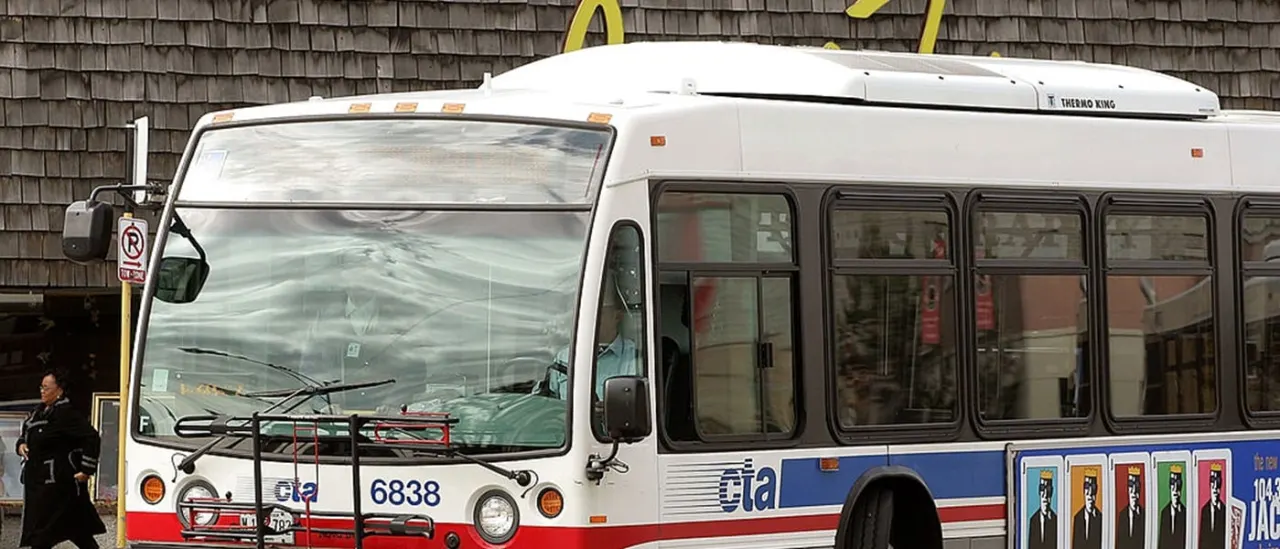
Iowa State student Natalie Gibson sued the city of Ames, arguing that its ban on firearms aboard CyRide buses violated Iowa’s firearms pre-emption law. The Ames Transit Board voted unanimously to end the policy in a memo dated 5 November, 23 days after Gibson filed suit; the change matters because state law limits local governments’ power to regulate firearms.
Gibson filed her lawsuit on 13 October. The Iowa Firearms Coalition said it had warned the city in October 2025 that the bus policy breached state law, but Ames kept it in place. CyRide’s director declined further comment, citing the ongoing litigation. Iowa law generally bars local rules restricting lawful firearm ownership, possession and carrying, with limited exceptions for certain government buildings.
In short
- Ames voted to end its CyRide bus gun ban after a student sued.
- Gibson filed suit 23 days before the transit board’s decision.
- Iowa law generally limits local firearm regulation.
Steelman: both sides, in good faith
The strongest fair case each way — we don't pick a winner.
The case for
Ames was right to end the ban if state law reserves firearm regulation to the state and does not allow transit systems to create this restriction. Consistent statewide rules can protect lawful carry and prevent local authorities from curtailing rights that the legislature has chosen to protect; the reported warning and lawsuit also gave the city reason to revisit the policy.
The case against
A transit authority could argue that buses are confined public spaces where passengers and staff have limited ability to avoid risks, so a firearms restriction may be a reasonable safety measure. Local officials may also see such rules as part of their responsibility to manage transit, though that case depends on whether Iowa law permits the authority to impose them.