World news and discussion on TalkFuse.
Anti-Israel socialist silent on Jewish business boycott in district he’s set to represent
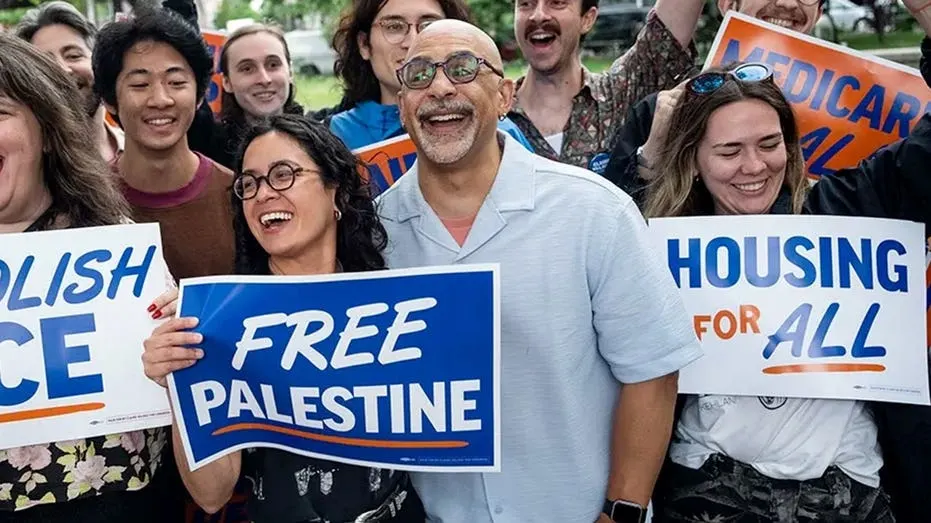
A boycott targeting Jewish-owned businesses in Philadelphia’s Rittenhouse Square drew a large counterprotest over the weekend. The demonstration coincided with the anniversary of Kristallnacht, the 1938 Nazi-led attacks on Jews and Jewish property, and prompted condemnation from several prominent Pennsylvania Democrats.
Congressman-elect Christopher Rabb, a critic of Israel who will represent the area in Congress, did not respond to questions about whether he supported the boycott or its aims. Flyers reportedly used the slogans “No business for Zionists” and “Not in our city”; Pennsylvania Governor Josh Shapiro, Philadelphia City Council President Kenyatta Johnson and Senator John Fetterman condemned the demonstration. The Philadelphia chapter of the Democratic Socialists of America said it had neither organised nor endorsed it.
In short
- A boycott targeted Jewish-owned businesses in Rittenhouse Square.
- The rally coincided with the anniversary of Kristallnacht.
- Congressman-elect Christopher Rabb did not comment on the boycott.
Steelman: both sides, in good faith
The strongest fair case each way — we don't pick a winner.
The case for
Supporters of the boycott could argue that refusing business to companies or owners they associate with Zionism is a form of non-violent political protest against Israel’s policies, and that consumers should be free to use their spending to express solidarity with Palestinians. They might distinguish opposition to Zionism from hostility towards Jews, while recognising that the slogans and choice of targets warrant scrutiny.
The case against
Critics could argue that targeting businesses because their owners are Jewish risks collective blame and discrimination, particularly when the protest’s slogans single out Zionists and it coincides with the anniversary of Kristallnacht. They may contend that criticism of Israel is legitimate, but should focus on government policy and avoid making Jewish identity or presumed political beliefs grounds for exclusion.