Science news and discussion on TalkFuse.
Oil shock from Iran war led to drop in carbon pollution, scientists say
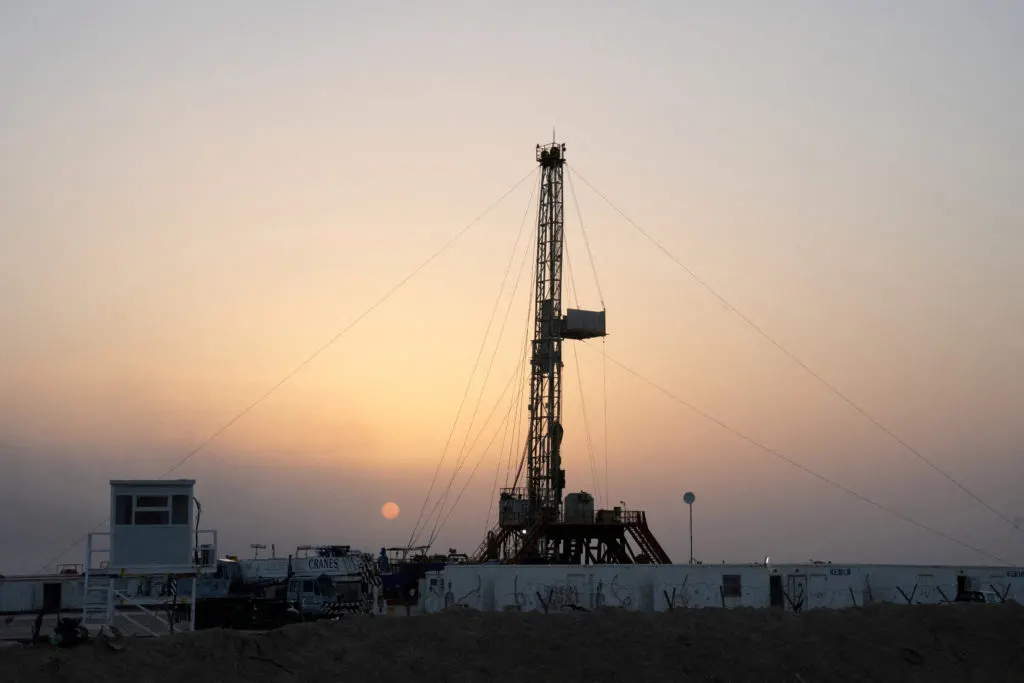
Global carbon pollution from fossil fuels is expected to fall by 0.4% in 2026, but scientists say the decline is mainly a consequence of energy disruption caused by the Iran war, rather than progress on climate action. The findings suggest the drop may be temporary and underline how the world remains heavily dependent on fossil fuels.
The Global Carbon Project estimates fossil fuel emissions at 42.2 billion tonnes of carbon dioxide this year. Oil emissions fell nearly 2% and natural gas emissions 0.3%, while coal emissions rose 0.6%; the war-related closure of the Strait of Hormuz pushed up oil and petrol prices. Overall carbon dioxide emissions rose 1% when land-use changes, including deforestation and peat fires, were included. Scientists noted that earlier declines in 2009 and 2020 were followed by emissions returning to previous levels, while experts differed on whether the global peak in emissions is now near.
In short
- Fossil fuel emissions are forecast to dip 0.4% in 2026.
- Scientists link the fall mainly to Iran war oil disruptions.
- Total emissions still rose 1% when land use is included.
Steelman: both sides, in good faith
The strongest fair case each way — we don't pick a winner.
The case for
The fall in fossil fuel emissions shows that demand can respond when oil supplies are disrupted and prices rise, offering evidence that less fossil fuel use is possible. It may also strengthen the case for accelerating clean energy and reducing dependence on vulnerable supply routes, even if this particular decline was not driven by climate policy.
The case against
A decline caused by war-related disruption and higher prices is not a sound or lasting climate strategy: it imposes economic costs and may reverse when supplies recover. With coal emissions still rising and total emissions increasing once land-use changes are counted, the drop offers little reason to assume that climate action has yet shifted global emissions onto a sustained downward path.
Climate Environment Middle East Politics Research Science World