Sport news and discussion on TalkFuse.
Firing a manager is often more about maintaining the illusion of control
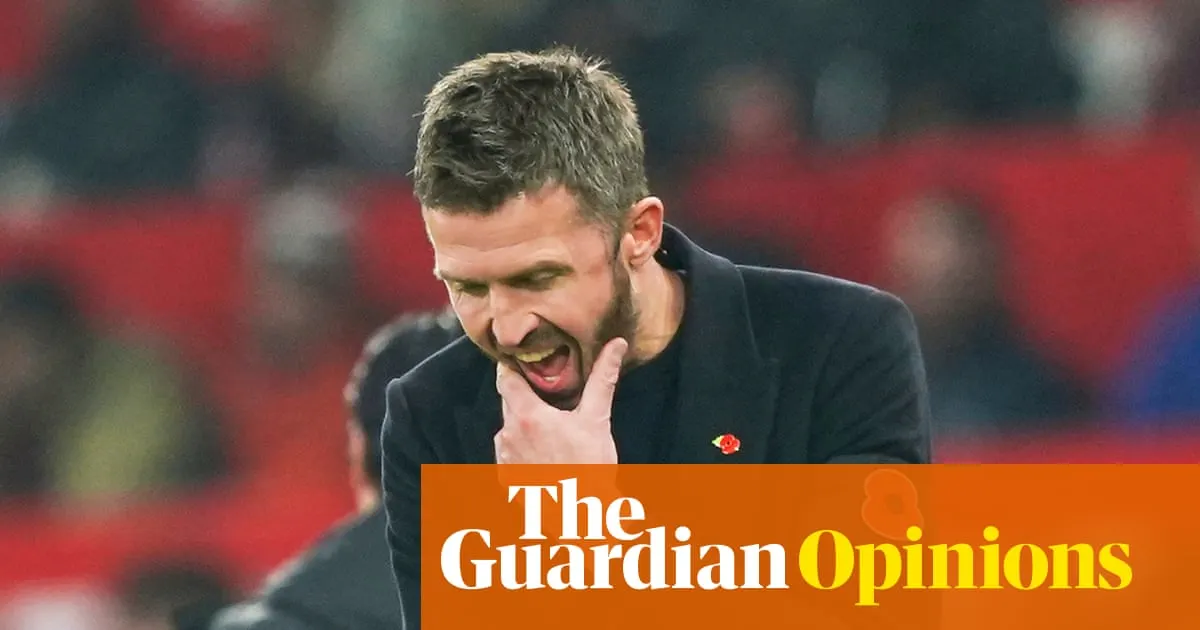
Michael Carrick’s position at Manchester United is under threat as the club struggles, despite broad agreement that deeper structural problems are not his fault. The article argues that decisions to sack managers are often presented as unavoidable, but are based more on shifting perceptions and the search for someone to blame than on a consistent measure of performance.
The piece contrasts Carrick’s current criticism with his successful spell as caretaker and notes that he is being judged differently despite having similar skills. It points to Sir Alex Ferguson and Mikel Arteta, both of whom survived difficult periods and later succeeded, while cautioning that comparisons can overlook differences in form and circumstances. It argues that managers now get less time to learn, adapt and rebuild.
In short
- Carrick faces criticism amid wider problems at Manchester United.
- Manager sackings often reflect pressure more than clear logic.
- Ferguson and Arteta show how patience can pay off.
Steelman: both sides, in good faith
The strongest fair case each way — we don't pick a winner.
The case for
A club may reasonably dismiss a manager when results and performances fall short, even if deeper problems also lie with the organisation. A change can restore confidence, give players and supporters a clear response to poor form, and bring in someone better suited to the squad or the club’s immediate needs; past success does not guarantee that a manager will turn things around.
The case against
Sacking a manager can offer the appearance of decisive action while leaving the club’s deeper structural problems untouched. If expectations shift with short-term results and comparable managers receive different treatment, dismissal risks becoming a search for a convenient scapegoat and denies managers the time to learn, adapt and rebuild.