World news and discussion on TalkFuse.
Landmark Bill Will Create ’24-Second Shot Clock’ To Unleash American Industry, Experts Say
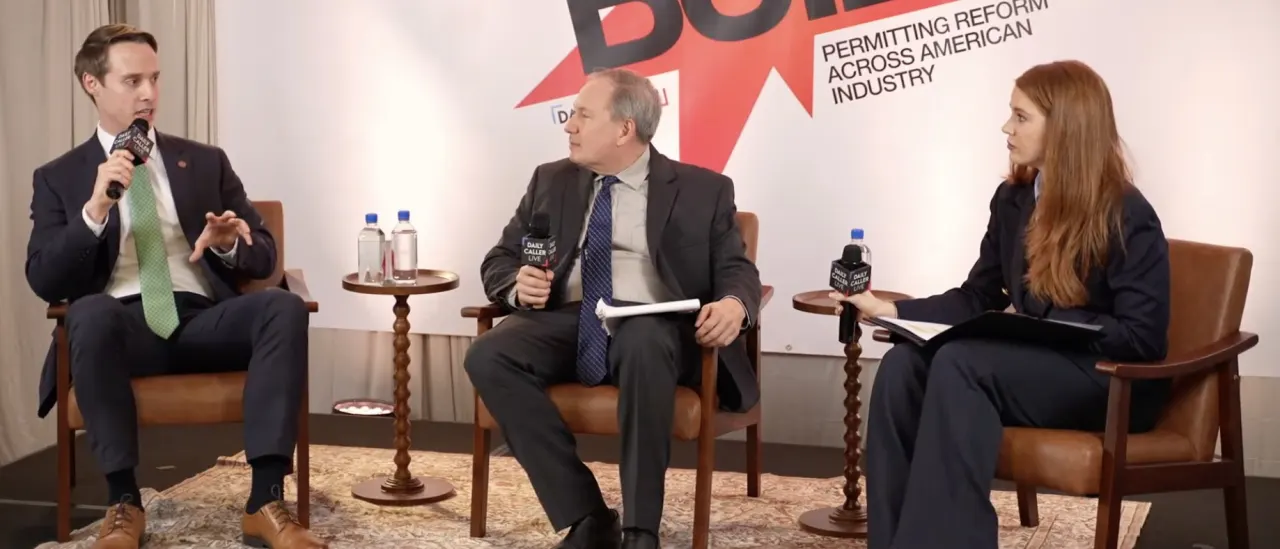
Senate-backed permitting reform would set firmer time limits for challenges to construction projects, aiming to make approvals more predictable and reduce delays. At a panel, policy experts argued that prolonged uncertainty can raise costs, deter investment and ultimately make projects uneconomic, with knock-on effects for jobs and the cost of living.
The Bipartisan American Affordability and Jobs Act advanced in the Senate by 73 votes to 25, with support from nearly all Republicans and more than 20 Democrats. Ted Ellis cited the cancelled Atlantic Coast Pipeline, whose projected cost rose from $5 billion to $8 billion before developers abandoned it after years of delay, despite winning a Supreme Court case. The bill also includes a requirement that data centre developers pay for their own electricity; Ellis said the measure would preserve protections for historic sites, clean air and water.
In short
- Senate advances bipartisan permitting reform by 73-25.
- Experts say delays can increase costs and cancel projects.
- Bill would require data centres to fund their own electricity.
Steelman: both sides, in good faith
The strongest fair case each way — we don't pick a winner.
The case for
Firm deadlines for legal challenges could make project approvals more predictable, reducing financing costs and the risk that years of uncertainty make worthwhile infrastructure uneconomic. Supporters argue that timely investment can create jobs and improve energy supply and affordability, while the bill retains environmental and historic-site protections and requires data centres to pay for their electricity.
The case against
Strict time limits could make it harder for communities and affected parties to identify harms, gather evidence and pursue legitimate legal challenges, weakening practical safeguards even if formal protections remain. Critics may also question whether faster approvals will deliver lower costs or broader public benefits, rather than shifting environmental, financial or other risks onto the public.