World news and discussion on TalkFuse.
NYC’s deadly e-bike dangers have now even reached into our homes
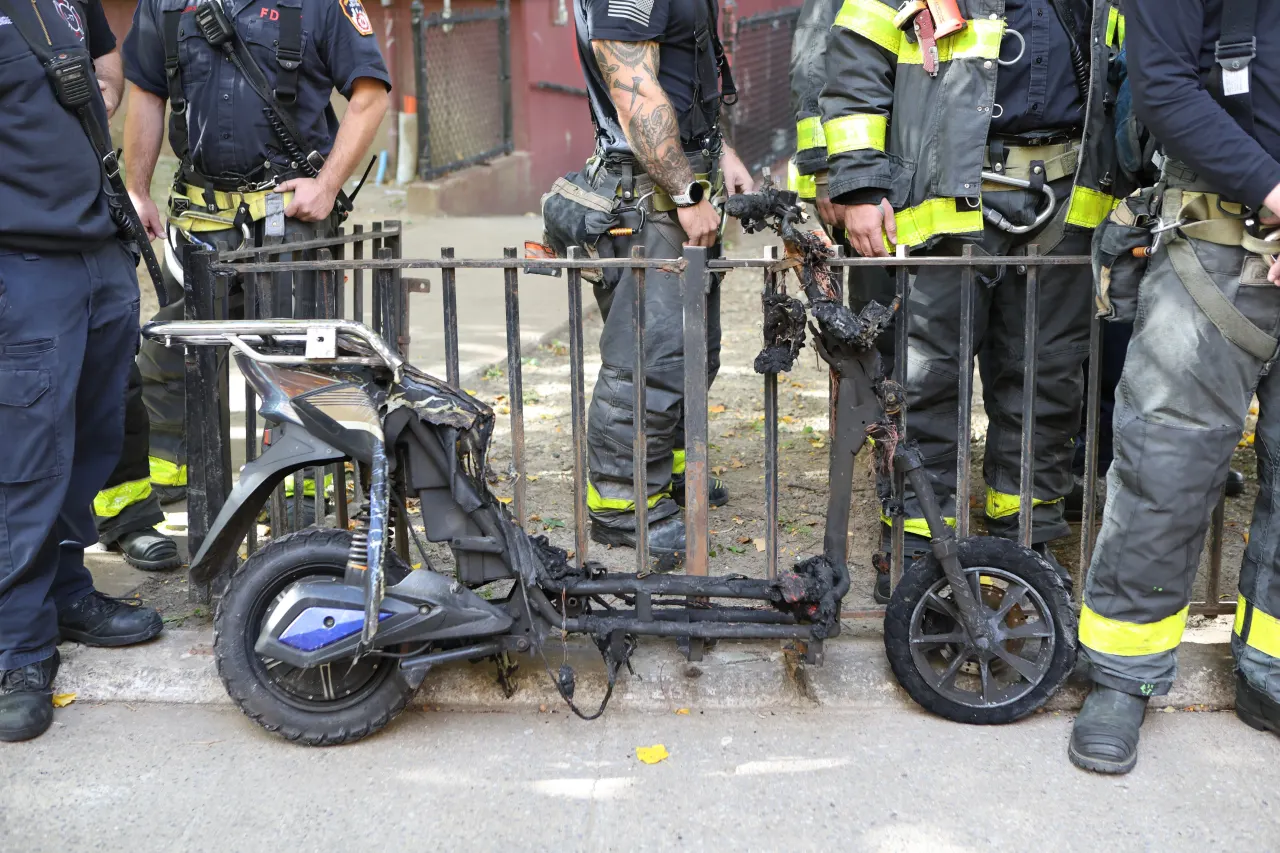
An opinion article argues that lithium-ion battery fires involving e-bikes and e-scooters have become a serious danger inside New York City homes. It cites a Bronx fire that killed four people, including three children, and calls on state and city officials to impose tighter rules on these devices.
The article says battery fires have killed 44 people in New York since 2020, while noting that the cause of a separate Sunset Park fire that killed six remains undetermined. It proposes vehicle registration and inspections, a ban on storing e-bikes in public-housing apartments, and fire-code changes restricting them in homes. The article also argues delivery companies should provide and maintain workers’ equipment.
In short
- Four people died in a Bronx apartment fire linked to an e-bike battery.
- The article calls for inspections and restrictions on storing e-bikes indoors.
- It says delivery businesses should provide and maintain workers’ equipment.
Steelman: both sides, in good faith
The strongest fair case each way — we don't pick a winner.
The case for
The reported deaths and the risk of fast-spreading lithium-ion battery fires make stronger safeguards a reasonable public-safety priority. Registration, inspections, limits on indoor storage and fire-code changes could help prevent faulty batteries from causing fires, while requiring delivery companies to provide and maintain equipment would place responsibility on firms that depend on these vehicles.
The case against
Tighter rules could restrict affordable transport and the livelihoods of delivery workers, especially if safe charging and storage alternatives are not readily available. Broad bans or costly registration and inspection requirements may burden responsible owners without targeting the batteries or practices that pose the greatest risk; officials could instead focus on proven safety standards, enforcement against defective products and practical fire-prevention measures.