World news and discussion on TalkFuse.
Expect Albany’s leaders to throw away its $8B Wall Street revenue windfall
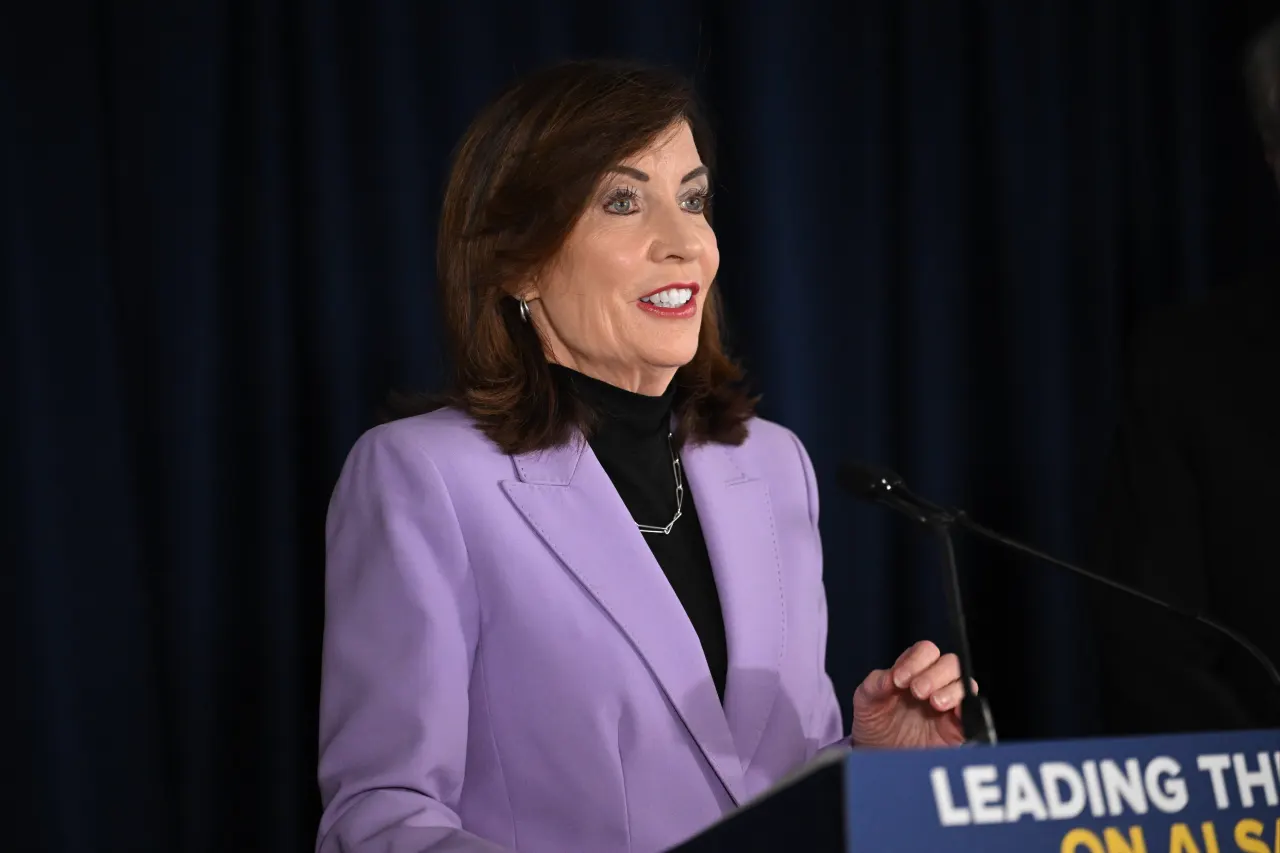
New York’s state government is expected to receive an $8 billion revenue surplus, driven by rising Wall Street bonuses, while the projected deficit for the coming year falls by $6.4 billion to $2.9 billion. The article argues that the extra money should be used to cover the gap and restrain spending, rather than fund new or expanded programmes that would create ongoing costs.
The opinion piece says Governor Kathy Hochul has indicated she is unlikely to propose tax rises while revenues are strong, though she has left open the possibility if needed. It points to pressure from New York City Mayor Zohran Mamdani for higher taxes, and to spending on school aid and Medicaid, as factors in the debate. It also warns that Wall Street revenues may not stay high, making permanent spending increases risky.
In short
- New York has an $8 billion surplus linked to Wall Street bonuses.
- The coming year’s projected deficit has fallen to $2.9 billion.
- The article warns against using temporary revenue for lasting spending.
Steelman: both sides, in good faith
The strongest fair case each way — we don't pick a winner.
The case for
The surplus is unusually dependent on Wall Street bonuses, which can fall sharply, so using it to launch permanent programmes could leave the state with commitments it cannot sustain. Applying the money to the projected deficit and limiting new spending would strengthen the budget against a downturn and avoid tax rises when revenues weaken.
The case against
A large surplus offers a chance to address pressing needs while revenues are strong, including education and healthcare, rather than allowing short-term budget caution to crowd out services. Supporters of expanded programmes could argue that investments now may improve residents’ lives and that the state can plan for revenue fluctuations through reserves and future budget choices.
Explained simply
New York’s state government, based in Albany, relies in part on tax revenue from Wall Street, including taxes linked to financial firms and workers’ pay. That revenue can rise sharply when the finance industry has a strong year, but it can also fall when markets or bonuses weaken.
The debate is over whether to use a temporary increase in revenue to reduce budget pressures or support more public spending. School aid and Medicaid, the public health insurance programme for people on low incomes and some others, are major areas of state spending.
Governor Kathy Hochul leads the state government, while New York City Mayor Zohran Mamdani has called for higher taxes. Decisions about taxes and spending matter because new programmes can require ongoing funding, even if the revenues that help pay for them later decline.